Door insulation significantly reduces heat loss, lowers energy bills, and eliminates uncomfortable drafts throughout your home. Properly insulated doors create an effective barrier against outdoor temperatures while improving indoor comfort year-round. Understanding the door insulation benefits can help you make informed decisions about where to invest in your home’s energy efficiency.
Why Doors Are Major Sources of Energy Loss
Doors account for a surprising amount of heat transfer in most homes. Unlike walls with thick insulation layers, doors often have minimal thermal protection. Air leaks around door frames, under thresholds, and through gaps in the door itself create pathways for conditioned air to escape. Studies show that up to 11% of total home air leakage occurs through doors and their surrounding frames.
Exterior doors face constant temperature differentials between indoor and outdoor environments. During Connecticut winters, a single uninsulated door can lose as much heat as several square feet of poorly insulated wall space. The problem intensifies with older doors made from thin materials or those with single-pane glass inserts.
Understanding How Insulated Doors Work
Insulated doors contain a core material that resists heat transfer. Modern insulated doors typically use polyurethane or polystyrene foam cores sandwiched between exterior and interior panels. This construction creates multiple barriers that slow the movement of thermal energy. The R-value, which measures thermal resistance, ranges from R-5 for basic insulated doors to R-20 for premium models.
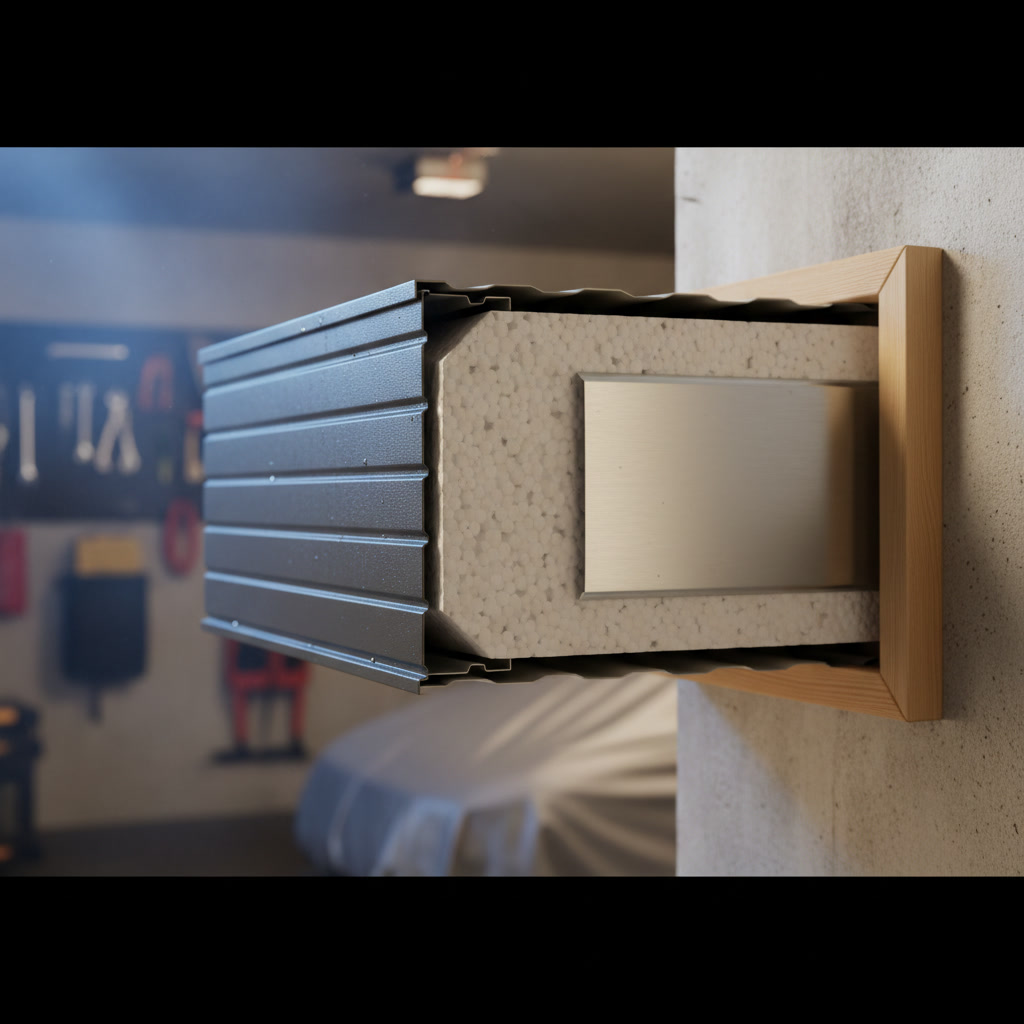
The frame and weatherstripping play equally important roles. Professional door insulation services address the entire door system, not just the door slab itself. Magnetic weatherstripping, adjustable thresholds, and foam-injected frames work together to eliminate air infiltration points that compromise energy efficiency.
Quantifying Energy Savings from Insulated Doors
The financial impact of door insulation varies based on several factors, including door size, exposure direction, and local climate conditions. Connecticut homeowners typically see heating cost reductions between 8% and 15% after upgrading to properly insulated exterior doors. A home with three exterior doors might save $150 to $300 annually on combined heating and cooling costs.
These savings compound over time. The average insulated door system pays for itself within five to eight years through reduced energy bills. Homes in colder regions or those with older HVAC systems often see faster returns. Energy savings increase further when door insulation is combined with comprehensive improvements like window insulation upgrades throughout the home.
How Door Insulation Stops Drafts in Middletown Homes
Draft elimination provides immediate comfort improvements that residents notice daily. Cold air infiltration creates uncomfortable zones near doors, forcing heating systems to work harder to maintain consistent temperatures. Insulated doors with proper weatherstripping create complete seals that block air movement in both directions.
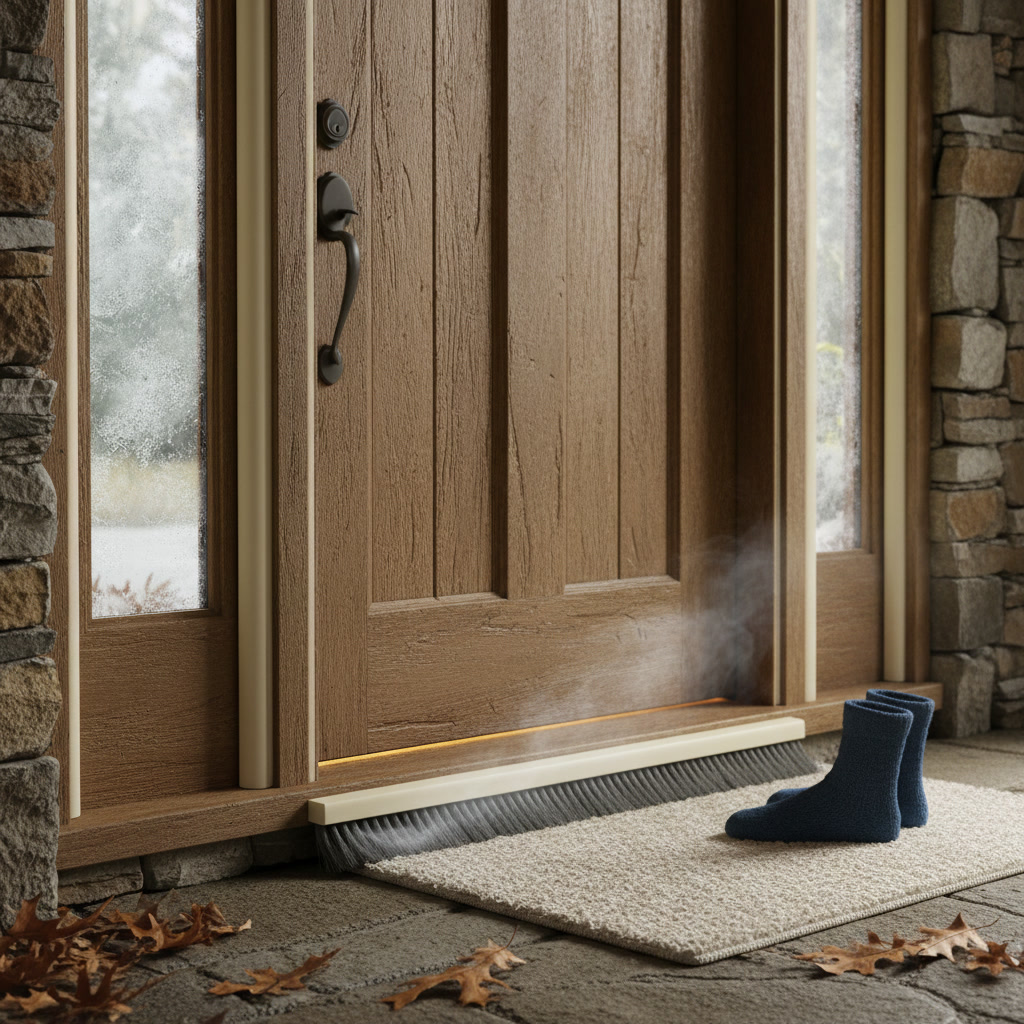
Bottom sweeps and threshold seals are particularly effective at stopping the convective loops that occur when cold air enters at floor level and pushes warm air upward. Many homeowners in Middletown report that rooms adjacent to upgraded doors feel two to four degrees warmer without thermostat adjustments. This comfort improvement often matters more to daily quality of life than the energy savings themselves.
Comparing Different Door Insulation Methods
Several approaches exist for improving door thermal performance, each with distinct advantages:
Replacement with factory-insulated doors: Offers the highest performance and longest lifespan. Modern steel or fiberglass doors with polyurethane cores provide R-values between R-10 and R-20. This option works best when existing doors show structural damage or significant wear.
Retrofit insulation: Involves adding insulation panels or foam to existing solid wood doors. This approach costs less than full replacement but achieves lower R-values, typically between R-3 and R-6. It makes sense for quality wood doors with sentimental or architectural value.
Weatherstripping upgrades: Addresses air leakage without modifying the door itself. High-quality magnetic or compression weatherstripping combined with adjustable thresholds can reduce drafts by 70% to 90%. This cost-effective solution works well for doors in decent structural condition.
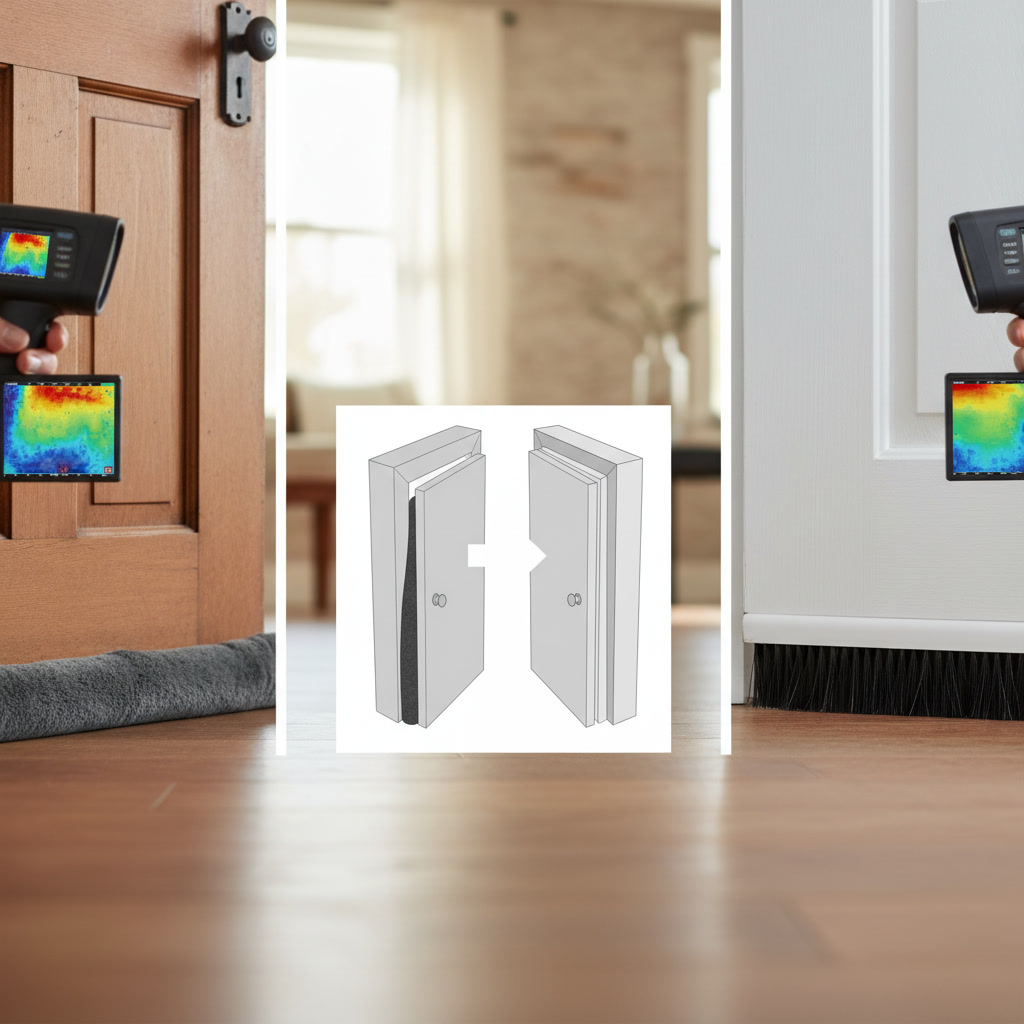
Storm door addition: Creates an air gap buffer zone that provides additional insulation. Storm doors add roughly R-2 to R-4 of thermal resistance while protecting the primary door from weather exposure. They prove most effective on doors facing prevailing winds or extreme sun exposure.
Beyond Energy Savings: Additional Comfort Improvements
Insulated doors reduce noise transmission from outdoor sources. The dense core materials and tight seals that block air movement also dampen sound waves. Homes near busy streets often experience 30% to 50% reductions in exterior noise after installing insulated doors with proper weatherstripping.
Humidity control improves as well. Air leaks around doors allow moisture infiltration that can contribute to condensation, mold growth, and structural damage. Sealed, insulated doors maintain more consistent indoor humidity levels, protecting both the building structure and indoor air quality. This matters particularly in Connecticut’s humid summers and dry winters.
The Role of Professional Assessment and Installation
Accurate diagnosis requires experience that most homeowners lack. Professional insulation contractors use blower door tests and thermal imaging to identify exactly where energy loss occurs. A door that appears problematic might actually seal well, while hidden air leaks around the frame account for most heat loss.
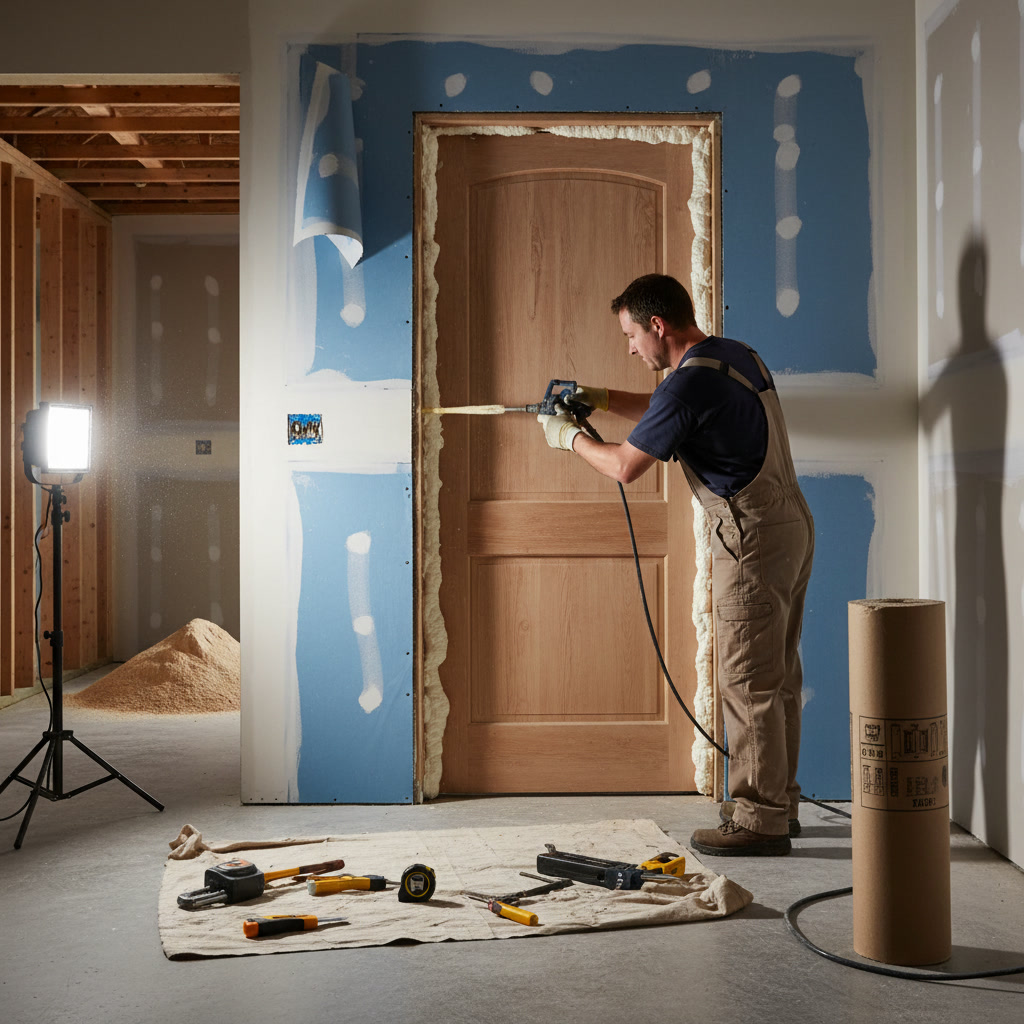
Installation quality determines long-term performance. Doors must be perfectly plumb and level for weatherstripping to maintain consistent contact. Frame gaps require proper insulation, typically with low-expansion foam that fills voids without distorting the frame. Top Notch Home Solution LLC brings 19 years of experience to these critical details that separate adequate installations from truly effective ones.
Professional installers also understand building science principles. They know when vapor barriers are needed, how to maintain proper clearances for different door materials, and which weatherstripping types work best for specific exposure conditions. Similar expertise applies when addressing broader energy efficiency concerns, as explained in our guide on how contractors assess homes before installation.
Timing Your Door Insulation Project
Optimal timing balances weather conditions with contractor availability. Fall and spring offer moderate temperatures that make installation comfortable and allow materials to cure properly. However, door insulation provides value immediately, regardless of season. Installing insulated doors in winter stops ongoing heat loss, while summer installations reduce cooling costs during peak demand months.
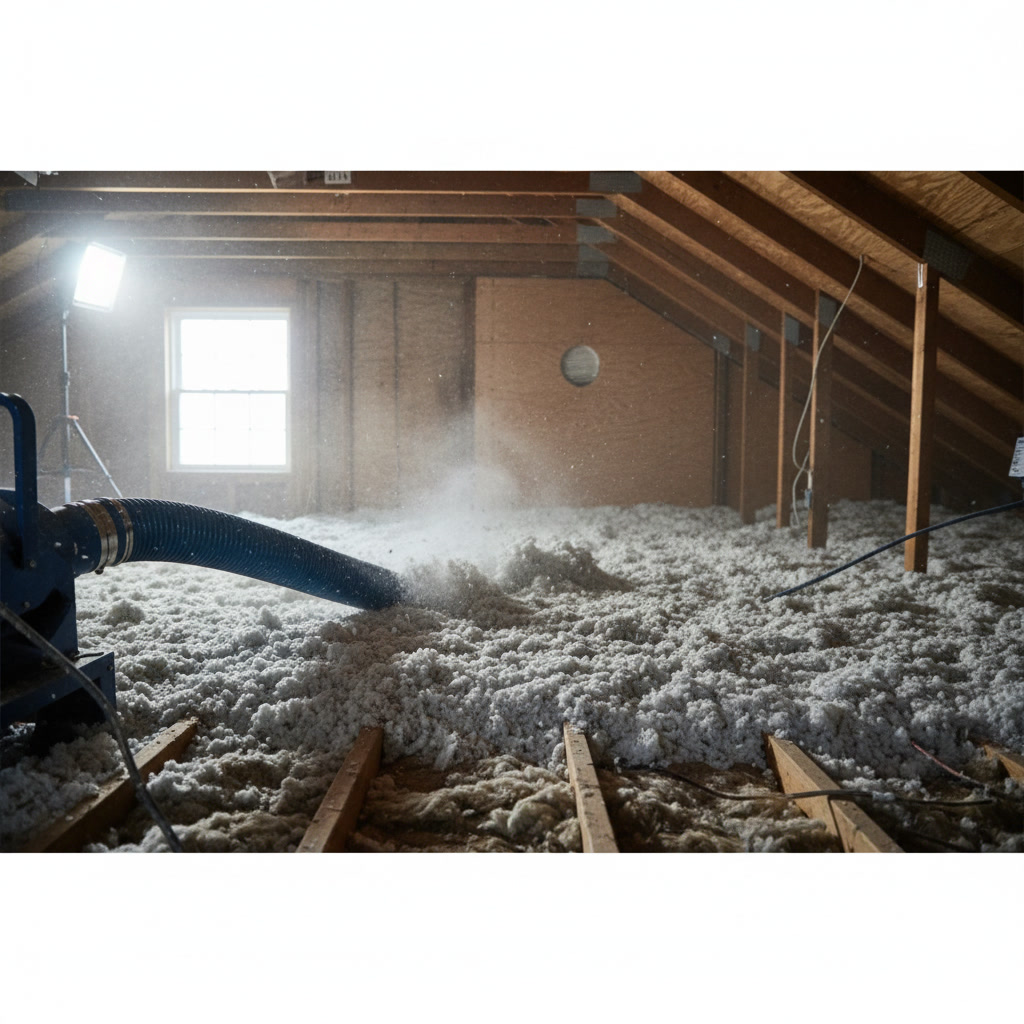
Coordinating door insulation with other projects maximizes efficiency and minimizes disruption. Homeowners planning comprehensive improvements should address doors alongside window upgrades, attic insulation, and other weatherization measures. This integrated approach often qualifies for better pricing and ensures all building envelope improvements work together cohesively.
Material Selection Considerations
Steel doors offer excellent insulation potential at moderate cost. Their durable construction withstands weather exposure and physical impacts. Modern steel doors accept various finish options and resist warping. They work well for most residential applications, particularly where security matters.
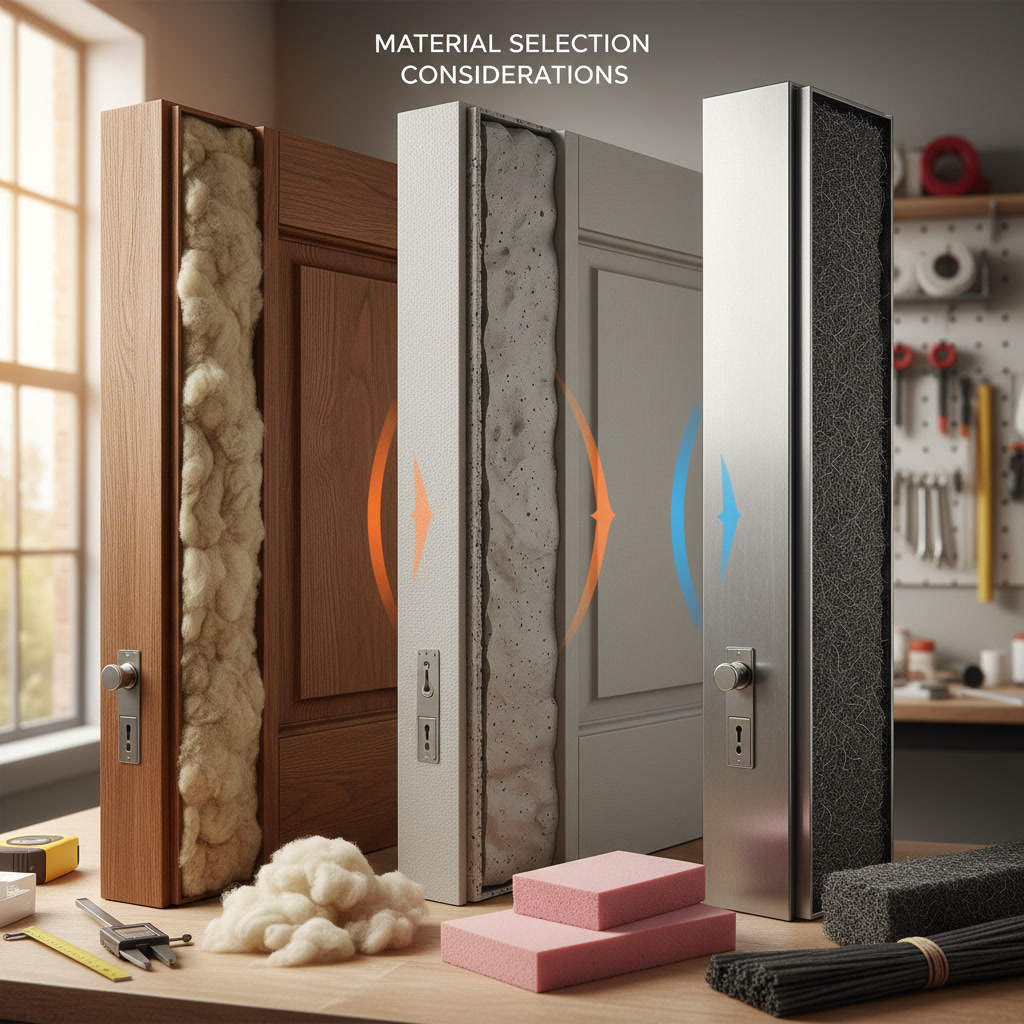
Fiberglass doors provide superior insulation with the appearance of natural wood. They resist denting better than steel and never rust. Fiberglass maintains dimensional stability through temperature extremes, making it ideal for doors that receive direct sun exposure. The higher cost typically delivers better long-term value through reduced maintenance and longer lifespan.
Wood doors remain popular for their aesthetic appeal but require more maintenance. Solid wood doors can accept retrofit insulation, though they will never match the thermal performance of factory-insulated alternatives. They suit homes where architectural authenticity outweighs maximum energy efficiency. Understanding cost implications for various insulation projects helps with budgeting, as detailed in our Connecticut insulation cost guide.
Common Mistakes That Reduce Door Insulation Effectiveness
Oversized or undersized doors create gaps that no amount of weatherstripping can seal. Proper measurement requires accounting for the rough opening, not just the old door dimensions. Many DIY installations fail because homeowners order doors based on approximate measurements rather than precise ones.
Neglecting the threshold allows massive air leakage. The bottom seal experiences the most wear and requires adjustment over time. Adjustable thresholds should be checked annually and raised or lowered to maintain constant contact with the door sweep. A gap as small as one-eighth inch can compromise 40% of a door’s insulation value.
Using inappropriate weatherstripping for the application creates early failures. Adhesive-backed foam works poorly on exterior doors because temperature cycles destroy the adhesive bond. Compression bulb or magnetic weatherstripping provides much longer service life. Professional installers select materials rated for the specific exposure conditions each door faces.
Protecting Your Investment for Maximum Long-Term Performance
Regular maintenance preserves door insulation effectiveness. Weatherstripping should be inspected twice yearly and replaced when compression set occurs or gaps appear. Hinges need periodic tightening to prevent sagging that creates uneven seal pressure. These simple tasks take minutes but prevent gradual performance degradation.
Painting or staining protects door materials from moisture damage. Even factory-finished doors benefit from touch-up work every few years. Pay special attention to bottom edges and corners where water tends to accumulate. Properly maintained doors routinely last 20 to 30 years while continuing to deliver their original energy performance.
Investing in quality door insulation transforms both comfort and operating costs throughout your home. The combination of reduced energy bills, eliminated drafts, improved noise control, and better humidity management makes door upgrades one of the most cost-effective home improvements available. Professional installation ensures these benefits last for decades rather than deteriorating within a few years.
Top Notch Home Solution LLC has served homeowners throughout Cromwell and surrounding communities since 2017, delivering professional door insulation services backed by comprehensive warranties. Our family-owned company combines 19 years of industry experience with a commitment to workmanship that stands the test of time. For a free estimate and expert guidance on the best door insulation solutions for your specific needs, call +18607068116 to speak with our team.