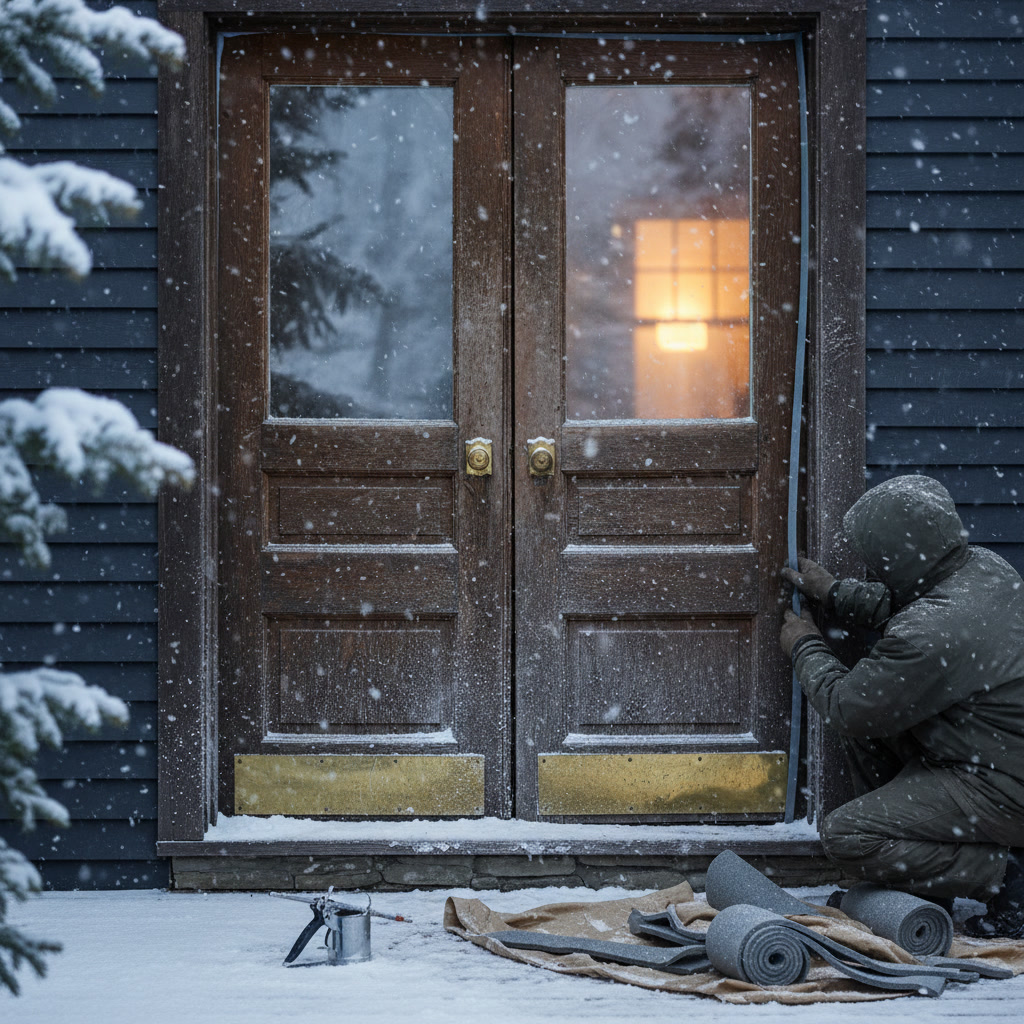
Cold drafts around exterior doors during winter typically mean air leaks are driving up heating costs by 10 to 30 percent. When doors need insulation, homeowners often notice temperature differences between rooms, condensation on door glass, and gaps that let in outdoor air and moisture. Proper door sealing eliminates these issues while improving comfort and energy efficiency throughout the heating season.
Why Door Insulation Matters for Connecticut Winters
Connecticut winters bring frigid temperatures, wind, and snow that expose every weakness in your home’s thermal envelope. Exterior doors account for significant heat loss when frames, weatherstripping, or door cores lack adequate insulation. A single poorly insulated door can lose as much heat as an entire uninsulated window, forcing your heating system to work harder and longer.
The financial impact compounds over time. Homes with poorly sealed doors waste hundreds of dollars annually on heating bills. Beyond cost, inadequate door insulation creates uncomfortable living spaces where cold spots form near entryways and drafts make rooms feel chilly despite the thermostat setting.
Understanding How Doors Lose Heat
Heat escapes through doors in three primary ways: conduction through the door material itself, air infiltration through gaps and cracks, and thermal bridging where metal components transfer cold directly inside. Hollow core doors offer minimal resistance to heat transfer, while solid wood and insulated steel doors perform better but still require proper weatherstripping and threshold seals.
The door frame plays an equally important role. Gaps between the frame and rough opening allow air to bypass even well-insulated doors. Settling foundations, wood shrinkage, and worn weatherstripping gradually create pathways for outdoor air to enter your home. These problems worsen each year if left unaddressed.
Visible Light Around Closed Doors
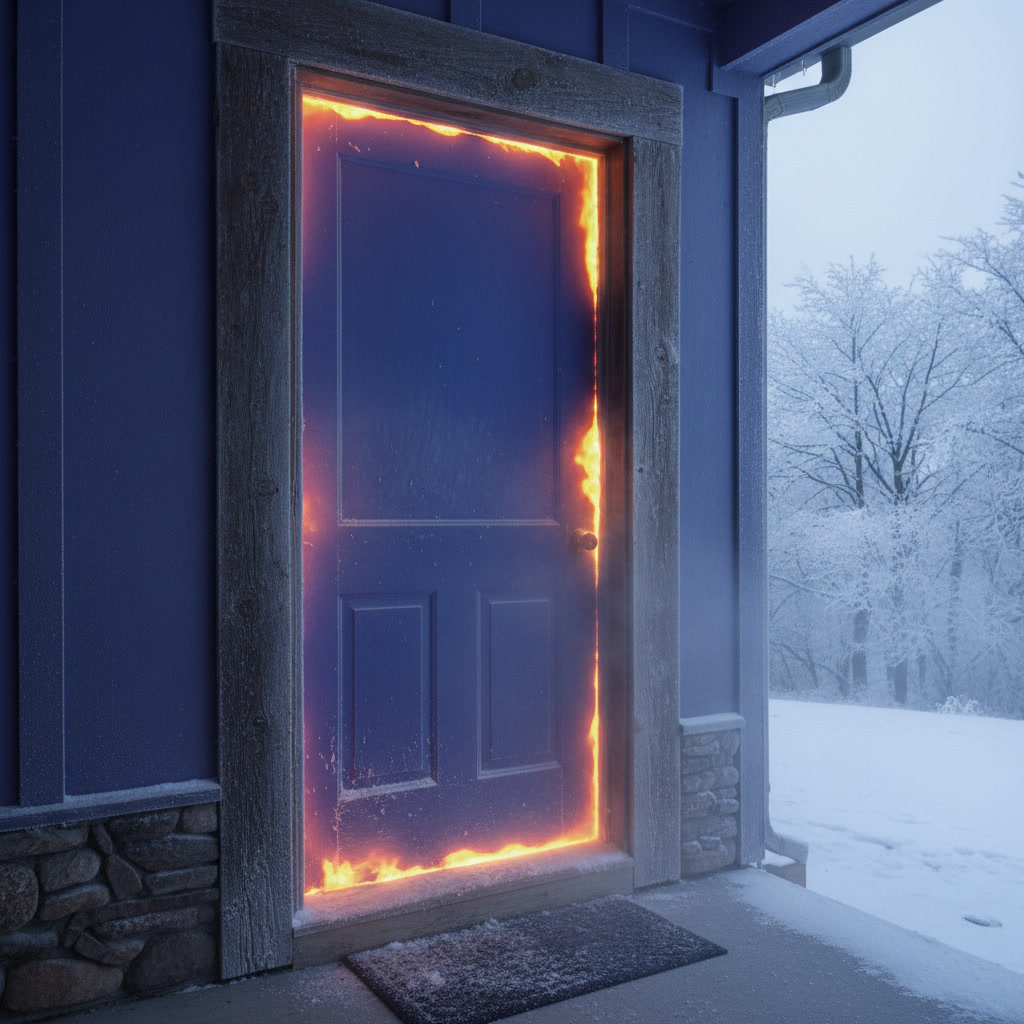
One of the clearest signs appears when you can see daylight around a closed exterior door. Stand inside with the door shut and look for light streaming through gaps along the sides, top, or bottom. Even a quarter-inch gap runs the entire perimeter of a standard door, creating an opening equivalent to leaving a small window open all winter.
This test works best on bright days or at night when exterior lights are on. Check every exterior door in your home, including garage entry doors and basement exits. Document which doors show light leaks and where those leaks appear, since different locations require different solutions.
Cold Drafts and Temperature Differences in Middletown Homes
Standing near an exterior door should not feel noticeably colder than the center of the room. When you sense a draft or temperature drop within a few feet of the door, air is actively infiltrating through gaps in the seals. Hold a lit candle or incense stick near door edges on a windy day and watch for smoke movement that reveals air currents.
Temperature differences of five degrees or more between areas near doors and the rest of the room indicate serious insulation problems. These drafts make entryways uncomfortable and force heating systems to compensate for continuous heat loss. Professional door insulation services address both the door itself and the surrounding frame to eliminate these cold zones.
Rising Energy Bills Despite Consistent Thermostat Settings
Unexplained increases in winter heating costs often trace back to air leaks around doors and windows. Compare your current bills to the same months in previous years, adjusting for rate changes and weather severity. A 15 to 20 percent increase without corresponding changes in usage patterns suggests new or worsening insulation problems.
Track how often your heating system cycles on and off. Homes with poor door insulation force furnaces to run more frequently as heated air escapes and cold air enters. This constant cycling wastes energy and accelerates wear on heating equipment. Understanding insulation costs in Connecticut helps you evaluate whether professional solutions will pay for themselves through energy savings.
Condensation and Frost on Interior Door Surfaces
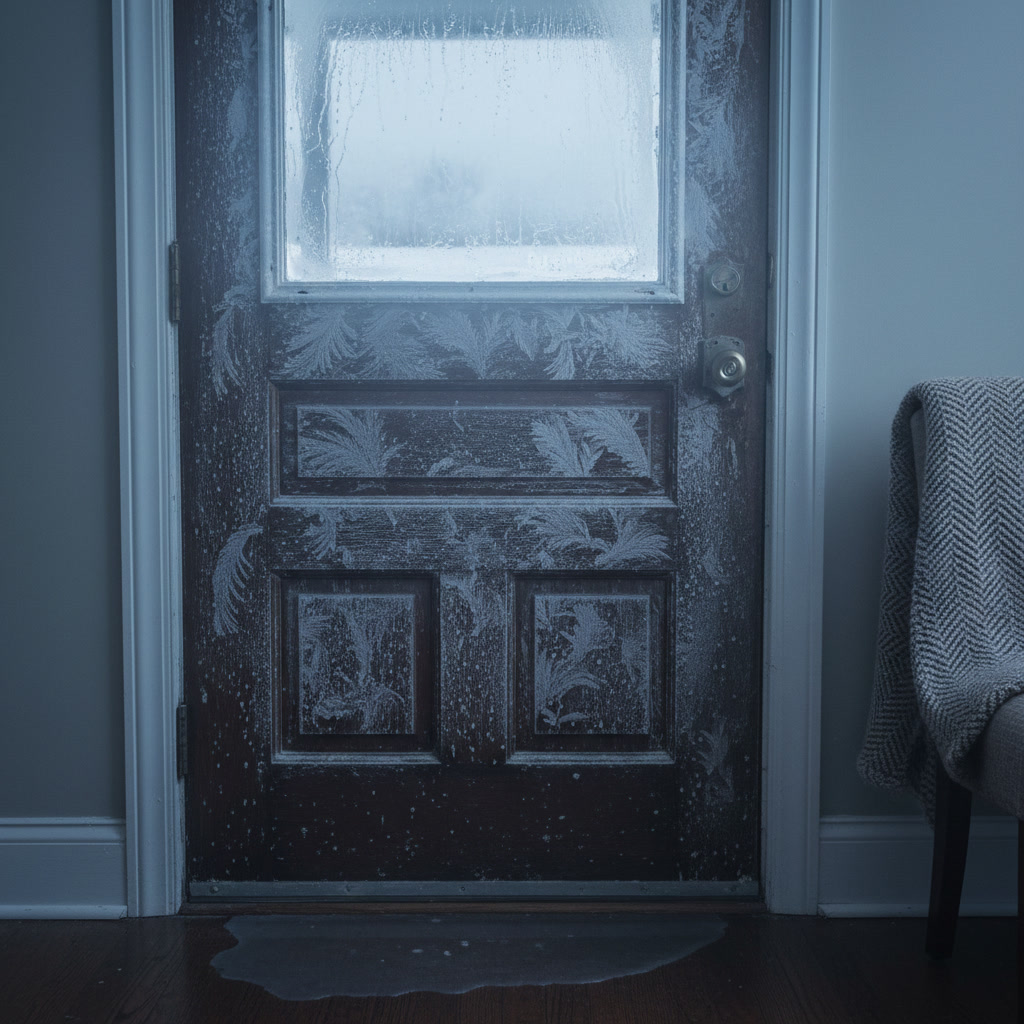
Moisture forming on the interior side of exterior doors signals a temperature imbalance where cold outdoor temperatures penetrate through insufficient insulation. Glass panels in doors commonly show condensation, but when moisture appears on metal or wood surfaces, the door core lacks proper thermal resistance.
Frost patterns on interior door surfaces during extreme cold indicate severe insulation deficiencies. This condition can damage door finishes, promote mold growth, and rot wood components over time. Metal doors showing interior condensation may develop rust that compromises structural integrity and appearance.
Worn or Missing Weatherstripping
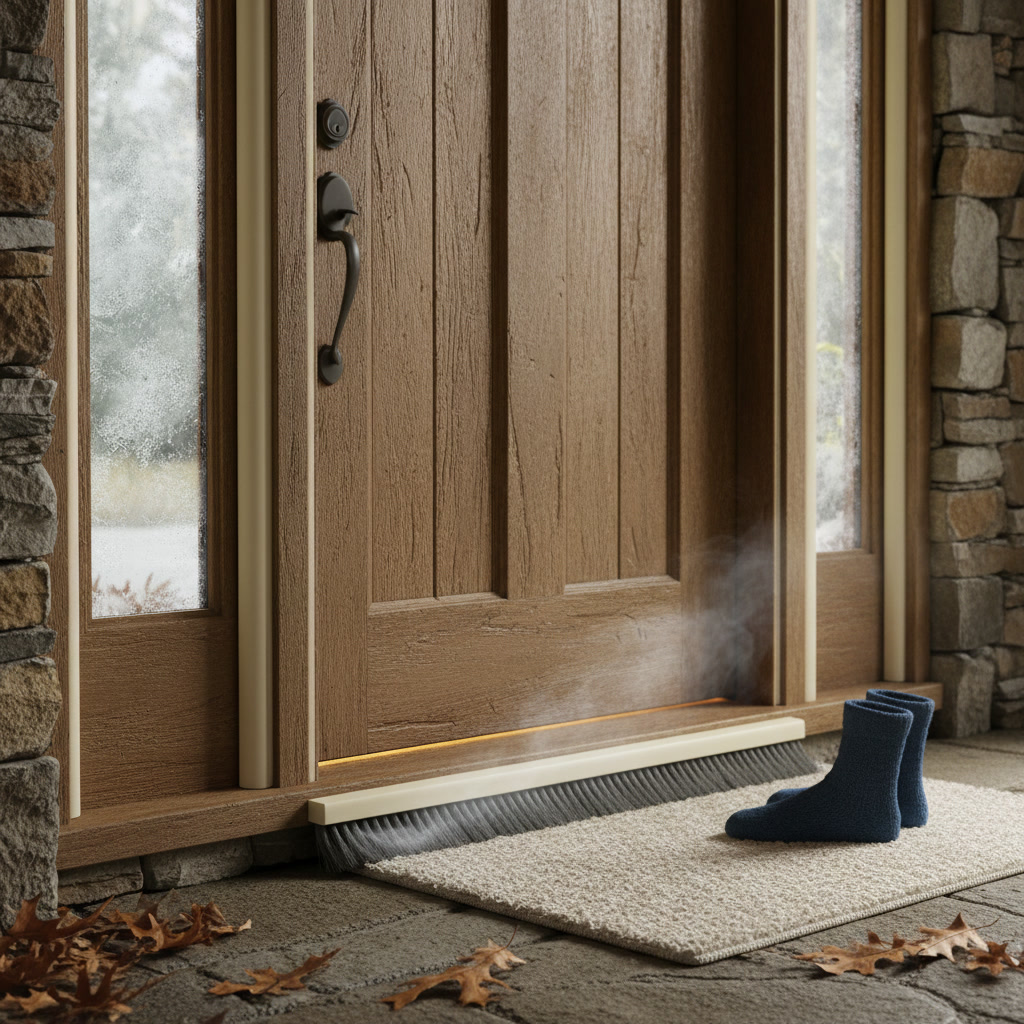
Weatherstripping creates the seal between the moving door and stationary frame. Visual inspection reveals common failure modes: compressed foam that no longer springs back, cracked rubber gaskets, detached adhesive strips, and hardened vinyl that has lost flexibility. Most weatherstripping lasts three to five years before requiring replacement.
Run your hand along door edges while the door is closed. You should feel continuous, firm contact with the weatherstripping around the entire perimeter. Gaps, soft spots, or areas where the seal feels loose indicate replacement is needed. Bottom door sweeps wear fastest due to constant friction and exposure to moisture, salt, and debris tracked from outside.
Pest Entry Points and Outdoor Noise
Gaps large enough for air also admit insects, rodents, and outdoor sounds. Finding bugs inside near exterior doors during winter means they are entering through inadequate seals. Mice can squeeze through openings as small as a quarter inch, making door gaps attractive entry points when seeking warmth.
Excessive outdoor noise penetrating through closed doors indicates air gaps that also allow heat loss. Traffic sounds, neighbor conversations, or equipment noise should diminish substantially when doors are shut. Poor sound insulation and thermal insulation share the same root causes, making door sealing improvements doubly beneficial.
Door Installation Age and Material Assessment
Doors installed more than 15 years ago likely use outdated insulation technology. Modern insulated steel and fiberglass doors offer R-values between 10 and 18, while older hollow core doors provide less than R-2. Even solid wood doors, though attractive and durable, typically rate between R-2 and R-3 without additional measures.
Assess your current door construction by checking manufacturer labels on the edge or frame. If no label exists or the door predates energy efficiency standards, replacement may prove more cost-effective than attempting to retrofit inadequate insulation. Top Notch Home Solution LLC evaluates door condition and recommends whether sealing improvements or full replacement delivers better long-term value.
Comparing Professional Solutions vs DIY Approaches
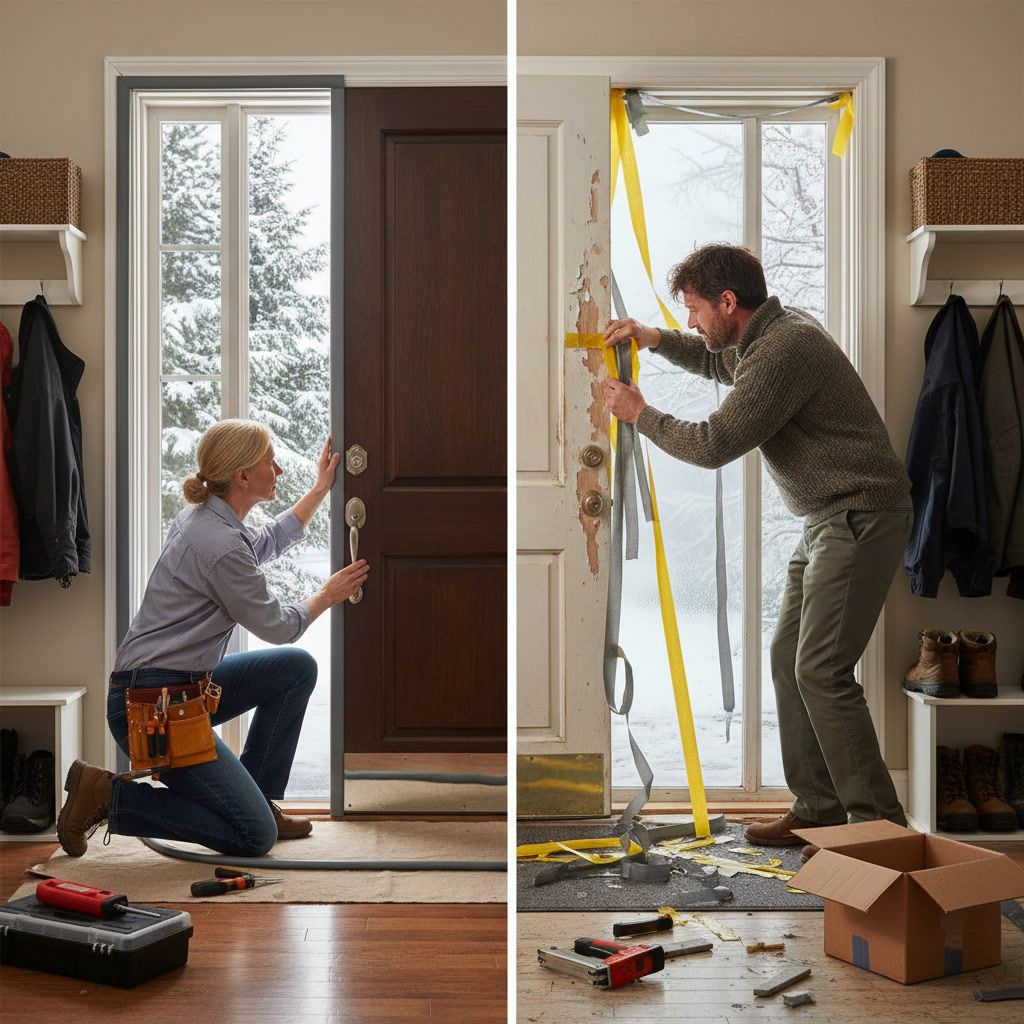
Homeowners can tackle some door insulation tasks independently: replacing worn weatherstripping, installing door sweeps, and applying caulk to visible gaps between frames and walls. These DIY fixes cost $50 to $150 per door and address surface-level problems when damage is not severe.
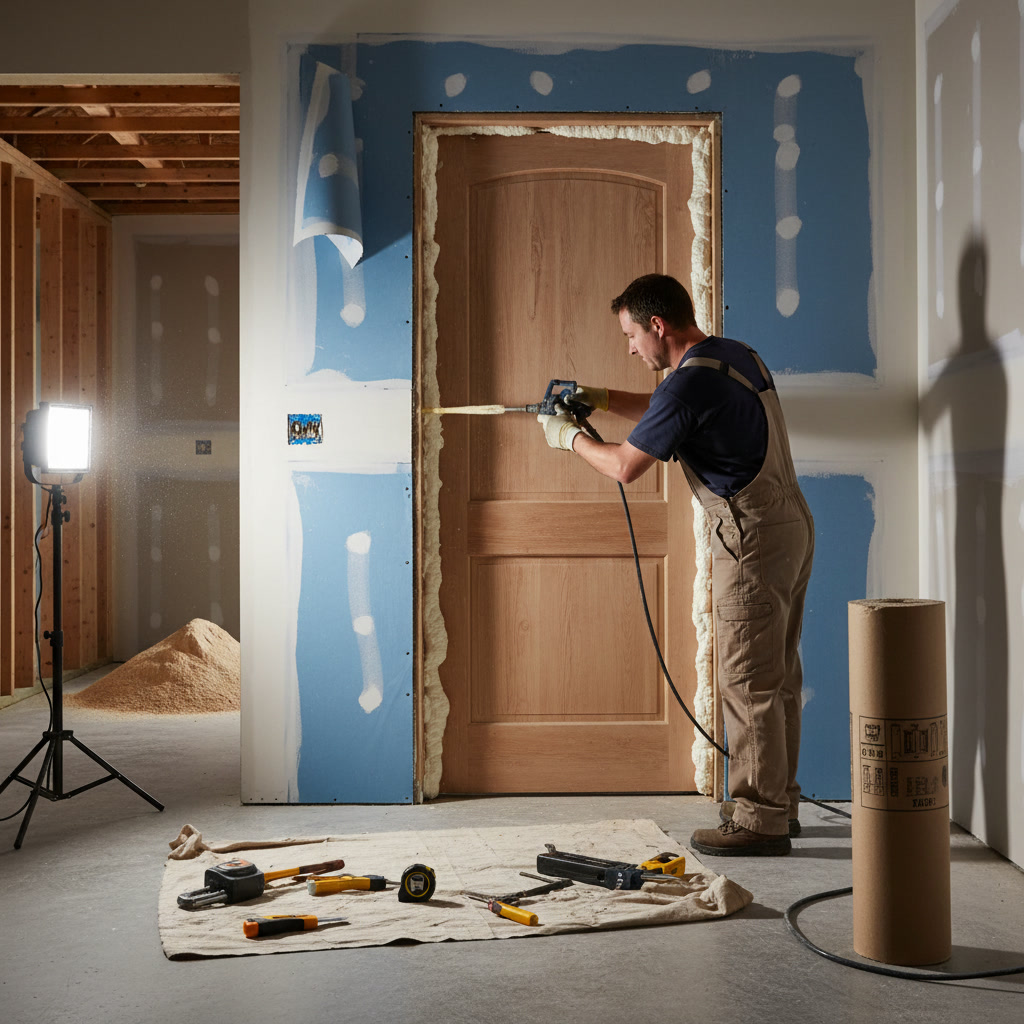
Professional solutions handle deeper issues that DIY methods cannot resolve. Experts adjust door alignment, repair or replace thresholds, insulate gaps within wall cavities around frames, and install complete door systems when existing units have failed. Licensed insulation contractors use specialized tools and materials unavailable to typical homeowners, ensuring proper installation that maintains warranties and building code compliance.
The decision depends on problem severity. Minor weatherstripping replacement suits DIY efforts, while significant drafts, structural gaps, or aged doors require professional assessment. Incorrect DIY installation can worsen problems by trapping moisture or misaligning doors, leading to higher costs later.
Protection Beyond Winter Comfort
Properly insulated doors deliver year-round benefits extending beyond heating season comfort. Summer cooling costs decrease when doors prevent hot outdoor air from entering climate-controlled spaces. Improved seals keep out pollen, dust, and outdoor pollutants that degrade indoor air quality.
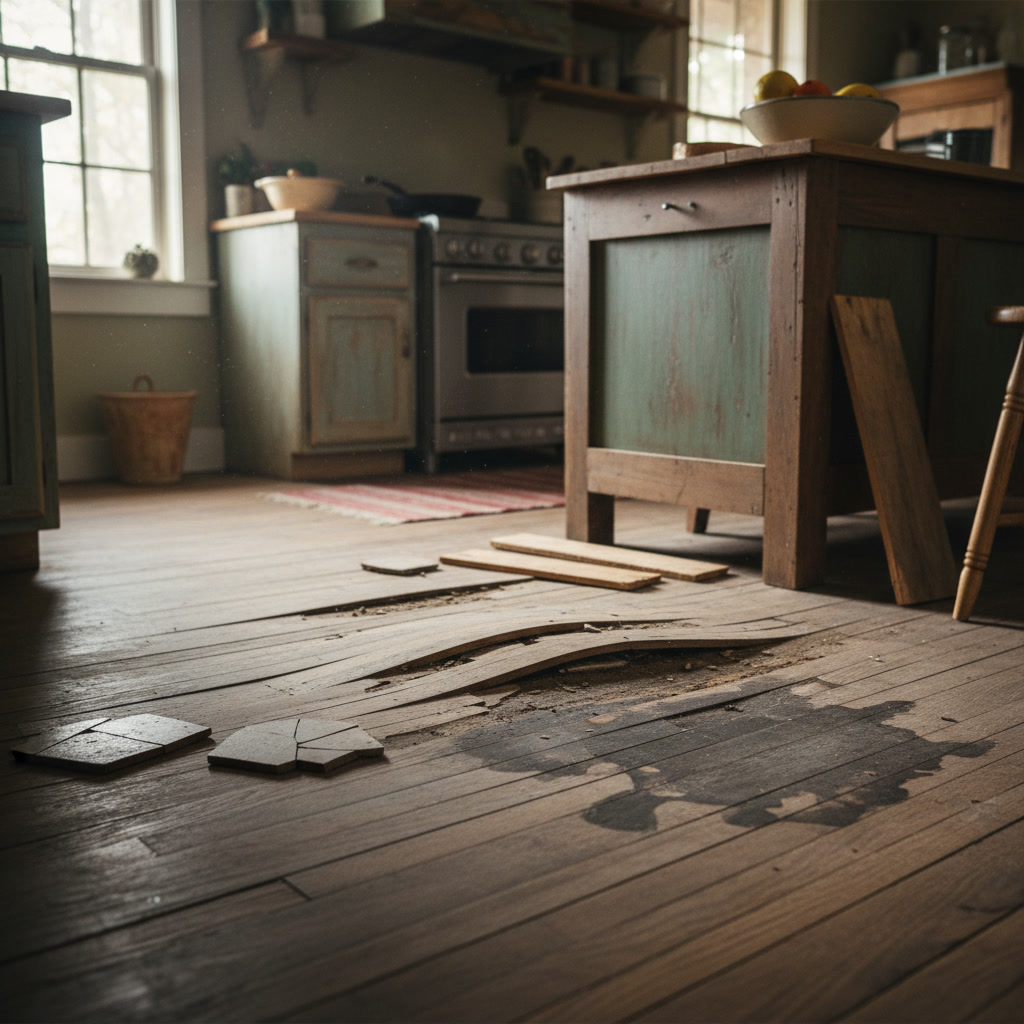
Door insulation also protects flooring near entryways. Drafts carry moisture that damages hardwood, laminate, and tile installations over time. Eliminating air infiltration prevents water intrusion that causes warping, staining, and premature failure of flooring materials in high-traffic areas.
Security improves when door frames fit tightly and locks engage properly. Gaps and misalignment compromise both thermal performance and physical security, making professional correction a dual-purpose investment. Well-sealed doors also resist wind-driven rain that can penetrate weathered seals and damage interior walls.
Taking Action Before the Next Cold Snap
Addressing door insulation problems now prevents worsening damage and higher costs later. Each heating season with inadequate insulation wastes money while allowing moisture and air quality issues to develop. Schedule an inspection before temperatures drop further to identify all problem areas and prioritize solutions based on severity and budget.
Professional assessment examines not just doors but the relationship between doors, frames, and surrounding wall insulation. Comprehensive solutions may include window insulation improvements alongside door work, creating a complete thermal envelope upgrade that maximizes comfort and efficiency.
Top Notch Home Solution LLC brings 19 years of experience to every door insulation project, combining careful workmanship with honest assessment of what your home actually needs. Licensed, insured, and backed by warranty protection, professional installation eliminates guesswork and ensures lasting results. Call +18607068116 for a free estimate and discover how proper door insulation transforms winter comfort while reducing energy waste throughout your home.