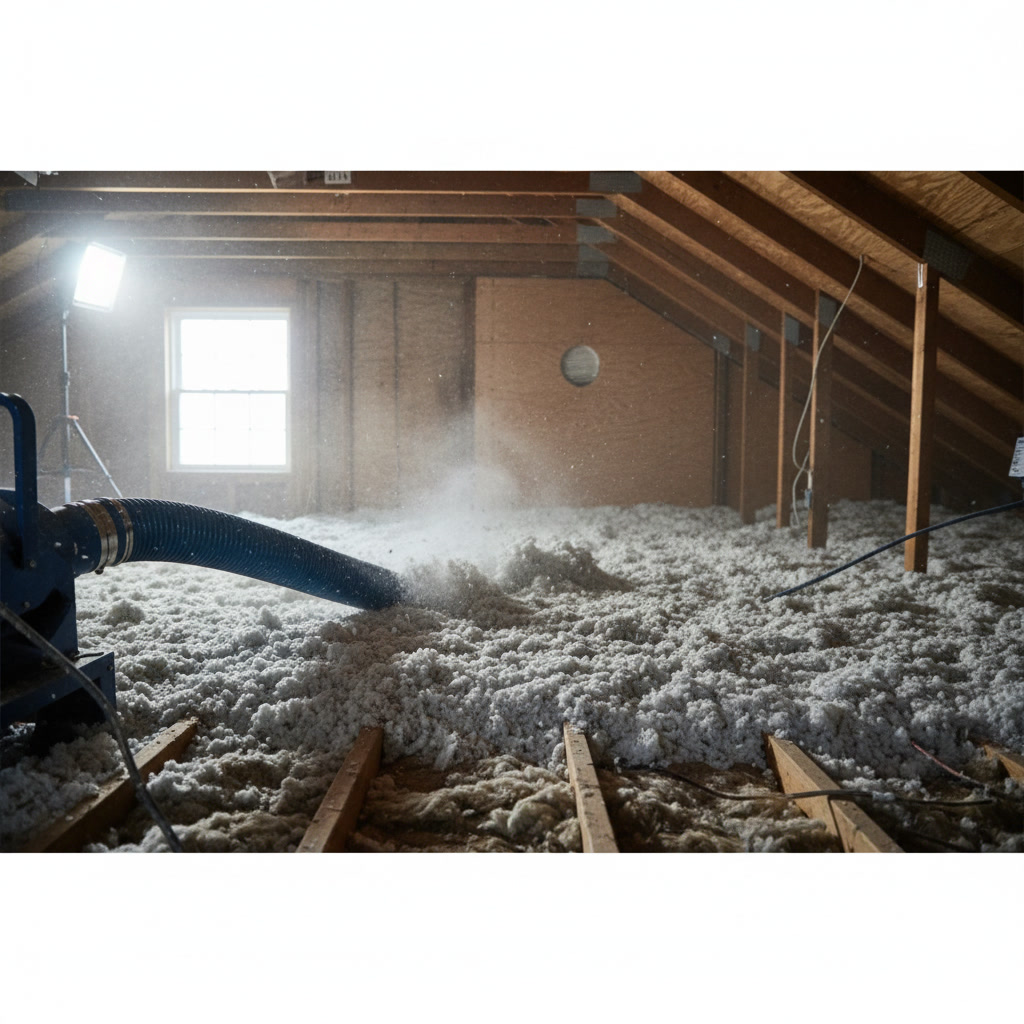
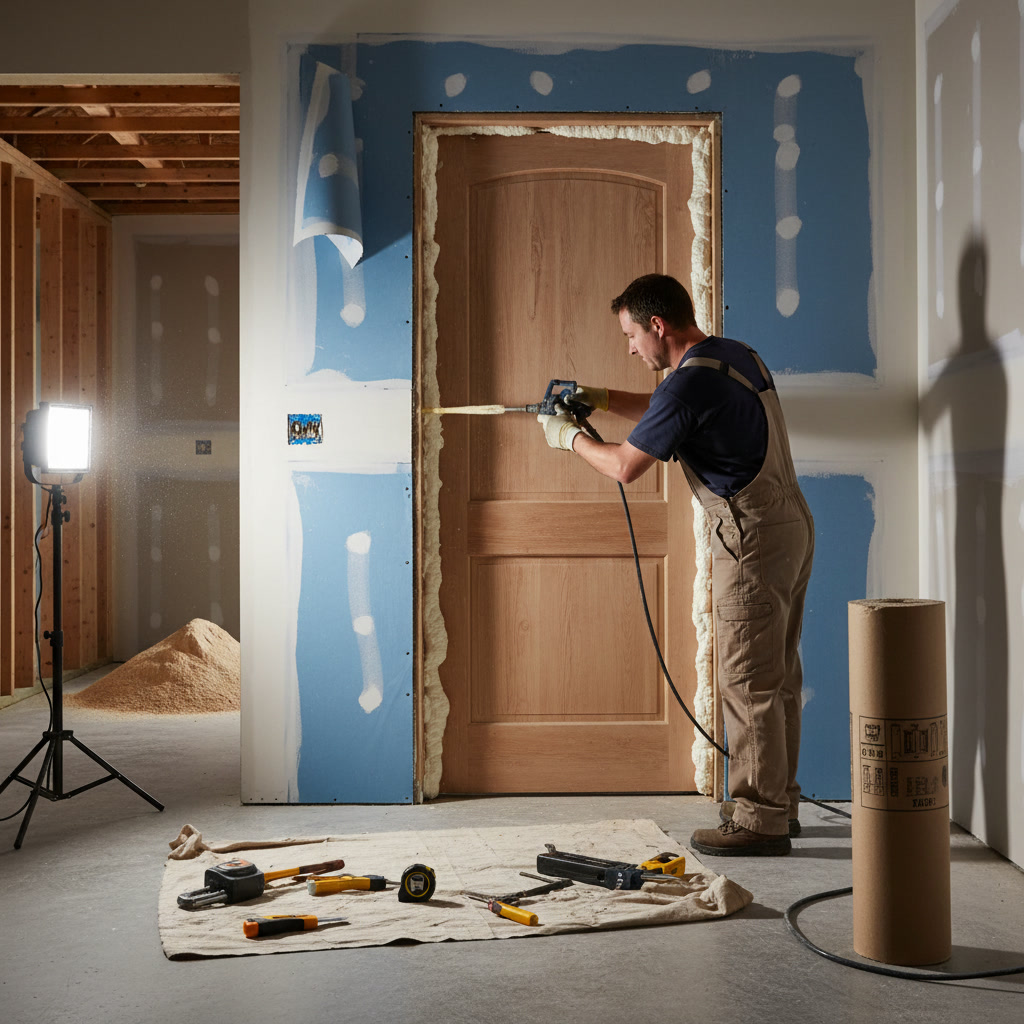
Professional door insulation installation follows a structured process that begins with a thorough assessment of your doors, continues through careful material selection and surface preparation, and concludes with precise installation and quality checks. Trained technicians measure gaps, identify air leakage points, select appropriate weatherstripping and insulation materials, and install them using proven methods that eliminate drafts while maintaining proper door function. The entire process typically takes two to four hours per door depending on complexity and existing conditions.
Why Door Energy Loss Matters in Your Home
Exterior doors account for roughly 11 percent of total air leakage in most homes. Cold air streams through gaps around the frame, under the door sweep, and through poorly sealed edges. During winter months, heated air escapes at the same points, forcing your HVAC system to work harder and driving up utility costs month after month.
The temperature differential between indoor and outdoor air creates pressure that pushes conditioned air out through every unsealed crack. A gap just one-eighth of an inch wide around a standard door frame equals a hole roughly the size of a baseball in your exterior wall. Most homeowners never realize how much energy and money disappears through these invisible openings until a professional assessment reveals the extent of the problem.
Signs Your Doors Need Professional Insulation
Visible light streaming under or around a closed door indicates significant gaps that allow air transfer. You might feel drafts when standing near exterior doors on windy days, or notice certain rooms stay colder than others despite adequate heating. Frost or condensation forming on the interior side of doors during winter signals poor insulation and air sealing.
Higher than expected energy bills often trace back to door and window insulation problems. Doors that stick, bind, or show warping have likely shifted in their frames, creating new gaps that compromise the existing weatherstripping. Even if weatherstripping was installed years ago, compression, UV damage, and normal wear reduce its effectiveness over time.

The Initial Assessment and Measurement Phase
Trained technicians begin by examining each door’s condition, checking for structural issues, measuring the frame, and testing for air leakage. They use specialized tools to detect drafts and thermal cameras to identify temperature differences that reveal where conditioned air escapes. This diagnostic phase determines which insulation methods and materials will deliver the best results for your specific situation.
Contractors measure the door thickness, frame dimensions, and existing gaps at multiple points around the perimeter. They check the door’s swing clearance to ensure added weatherstripping or door sweeps will not interfere with normal operation. This assessment also reveals whether the door itself needs repair or adjustment before insulation work begins.
Material Selection for Your Specific Door Type
Different door types require different insulation approaches. Solid wood doors benefit from foam tape weatherstripping along the frame and adjustable threshold seals at the bottom. Steel and fiberglass doors often have hollow cores that can be filled with expanding foam insulation for improved thermal resistance. Sliding doors need brush or fin-style weatherstripping that accommodates their lateral movement.
Quality matters significantly in material selection. Cheap adhesive-backed foam strips fail within months, while EPDM rubber or silicone weatherstripping lasts five to ten years. Professional insulation contractors source commercial-grade materials that withstand temperature extremes, UV exposure, and repeated compression cycles.
Surface Preparation and Cleaning
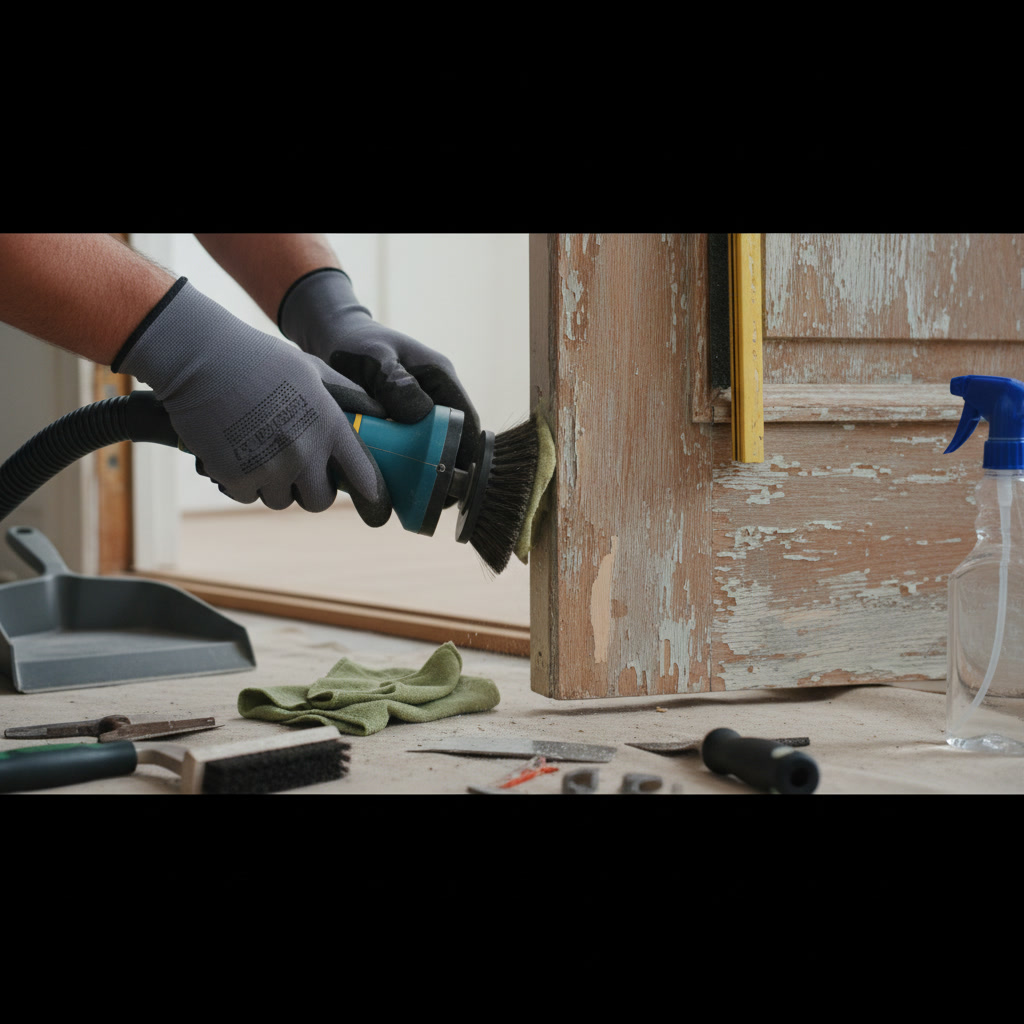
Proper adhesion requires clean, dry surfaces. Technicians remove old weatherstripping completely, scraping away adhesive residue and cleaning the frame with degreasing agents. They sand rough spots that might prevent good contact between new weatherstripping and the frame surface.
The door sweep area gets special attention. Dirt, salt residue, and moisture accumulate along the bottom edge of doors, especially in Connecticut’s variable climate. Contractors clean this area thoroughly and may apply primer to ensure strong adhesion of new threshold seals. Any paint chips, rust spots, or wood damage gets addressed before installation proceeds.
Installing Frame Weatherstripping in Middletown Homes
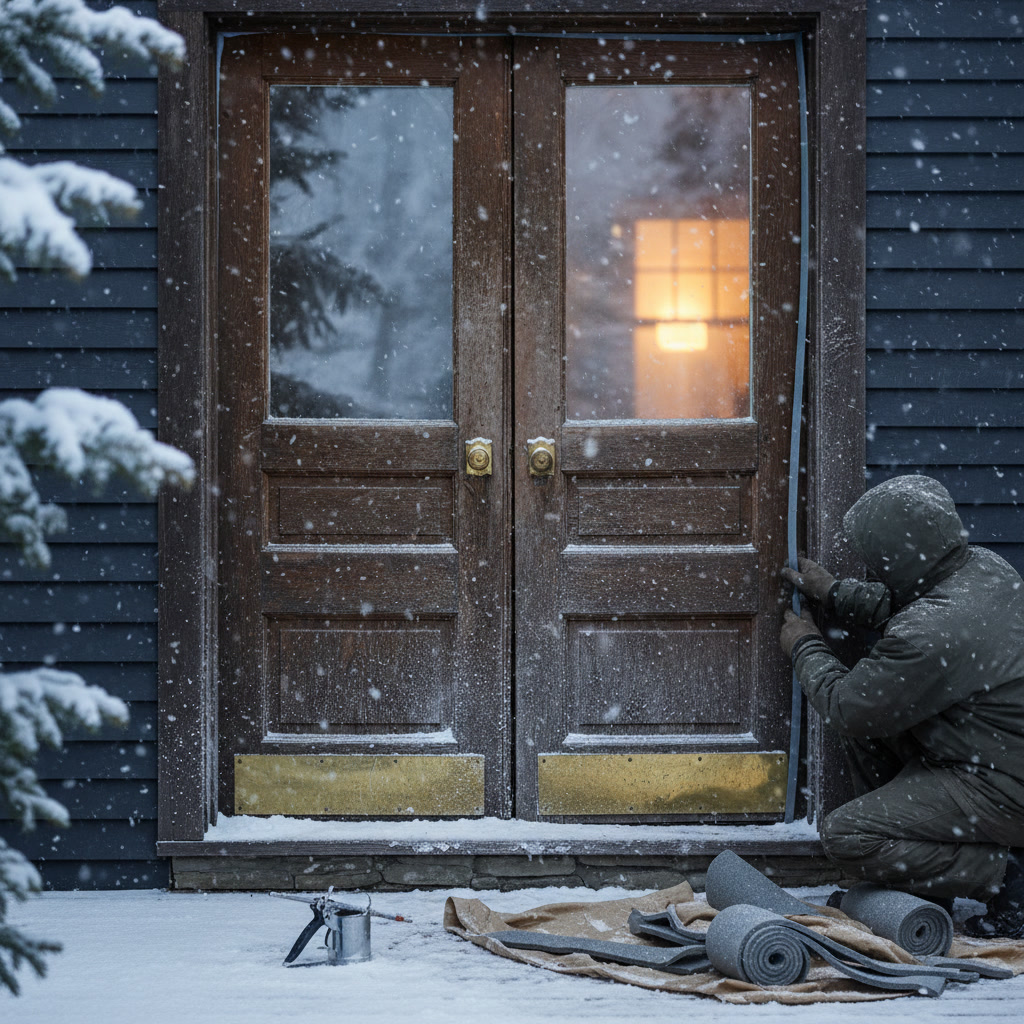
Technicians install weatherstripping along the door stop (the vertical surface the door closes against) in a continuous run from top to bottom on both sides and across the top. They cut materials to exact length, ensuring clean mitered corners that prevent gaps. Compression bulbs face the correct direction so the door presses against them when closed, creating an airtight seal.
Installation techniques vary by material type. Nail-on metal-backed weatherstripping requires precise spacing to avoid buckling. Adhesive-backed options need firm, even pressure along their entire length to activate the bonding agent. Spring-metal weatherstripping gets positioned at specific angles to maintain contact pressure without making the door hard to close.
Door Sweep and Threshold Installation Steps
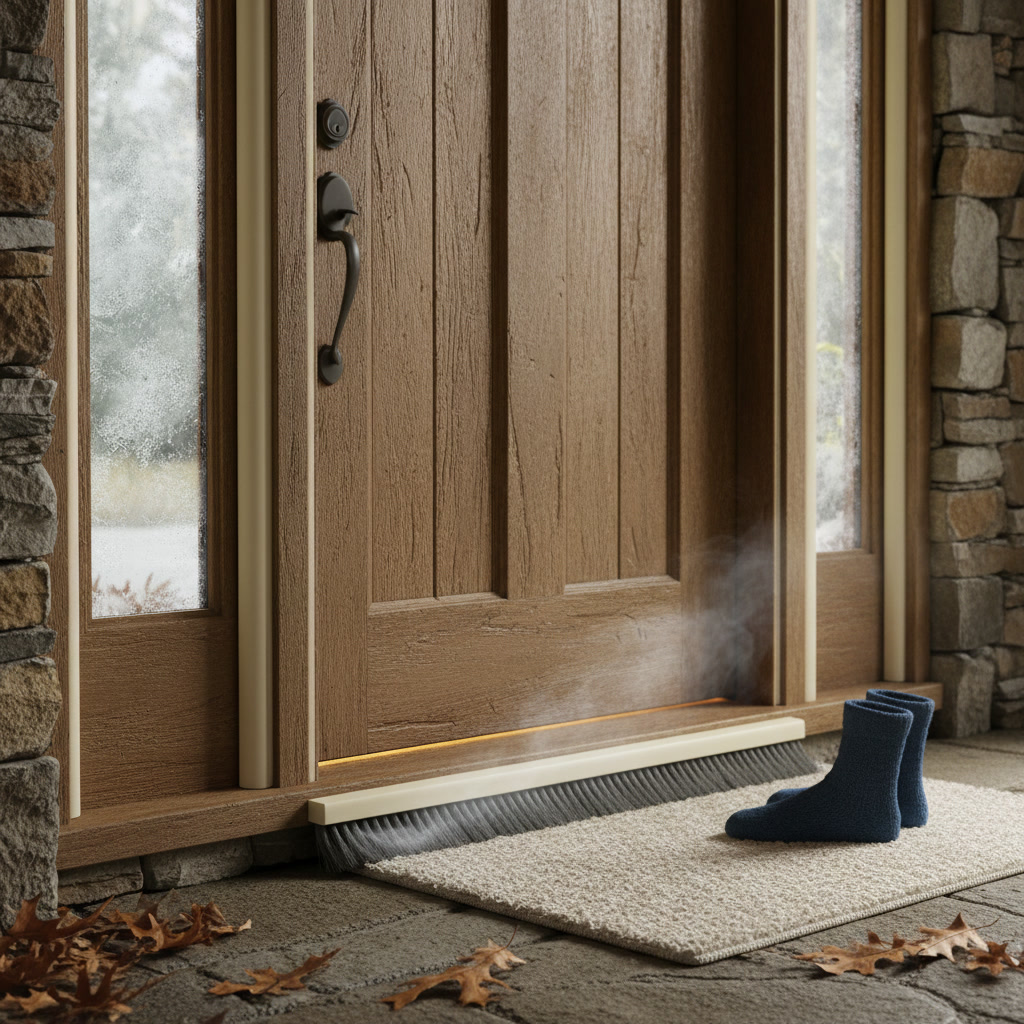
The door sweep attaches to the bottom interior or exterior face of the door, creating a barrier against air infiltration at the threshold. Contractors measure the door width precisely, cut the sweep to fit, and position it so the flexible fin or brush contacts the threshold firmly without dragging. Mounting holes get pre-drilled to prevent wood splitting, and stainless steel screws provide secure attachment.
Adjustable thresholds allow fine-tuning of the seal height. Technicians set the threshold height so the door sweep makes solid contact when closed but does not create excessive friction during opening. This balance point varies by door weight and hinge condition. The threshold gets secured to the subfloor with corrosion-resistant fasteners, and gaps between threshold and flooring get sealed with caulk.
Core Insulation for Hollow Doors
Metal and fiberglass doors often have hollow cores that act as air cavities, reducing their insulating value. Professionals drill small access holes (usually two per door) at inconspicuous locations and inject low-expansion polyurethane foam. This foam fills the cavity without creating pressure that could warp the door panels.
The injection process requires skill and experience. Over-filling causes panel distortion, while under-filling leaves cold spots. Contractors work in stages, allowing foam to expand and cure between injections. They seal access holes with matching plugs, making them nearly invisible. This technique can double a hollow door’s R-value, dramatically improving its thermal performance.
Quality Checks and Adjustments
After installation, technicians perform a series of tests to verify proper function and seal quality. They close the door and check for even contact around the entire perimeter, looking for light gaps or areas where weatherstripping does not compress fully. They open and close the door multiple times, confirming smooth operation without excessive resistance.
A dollar bill test offers a simple but effective verification method. Technicians close the door on a dollar bill at several points around the frame, then try to pull it out. Proper weatherstripping creates enough friction to hold the bill in place. If it slides out easily, the seal is insufficient and requires adjustment.

Long-Term Performance and Maintenance Requirements
Professional door insulation typically lasts five to ten years with minimal maintenance. Homeowners should inspect weatherstripping twice yearly, checking for compression damage, tears, or adhesive failure. Cleaning the door sweep and threshold once per season prevents dirt buildup that reduces seal effectiveness.
Similar to the comprehensive approach used in professional insulation projects for entire homes, door insulation requires proper material selection and expert installation to deliver lasting results. Seasonal temperature swings in Connecticut put additional stress on door seals, making professional-grade materials and proper installation techniques essential for long-term performance.
How Professional Installation Delivers Better Results
Experienced contractors bring specialized tools, proven techniques, and quality materials that DIY approaches often lack. They understand how different door types, frame materials, and climate conditions affect insulation performance. Their work comes with warranties that protect your investment and provide recourse if problems develop.
Professional installation also saves time and eliminates frustration. What might take a homeowner an entire weekend (with multiple trips to the hardware store for forgotten supplies) takes a skilled team just a few hours. The results look cleaner, function better, and last longer. For homeowners in Rocky Hill, Glastonbury, and surrounding areas, this expertise translates directly into lower energy bills and improved comfort throughout the year.
Getting the Comfort and Savings You Deserve
Proper door insulation eliminates drafts, reduces energy waste, and creates more consistent temperatures throughout your home. The assessment, material selection, installation, and verification steps ensure every door performs at its maximum thermal efficiency. With the right approach and quality materials, your doors become part of your home’s thermal envelope rather than weak points that compromise comfort and drive up costs.
Top Notch Home Solution LLC brings 19 years of experience to every door insulation project, combining expert assessment with proven installation techniques that deliver measurable results. Our family-owned team serves homeowners throughout central Connecticut with the same attention to detail and commitment to quality that has built our reputation. Contact us at +18607068116 to schedule your free estimate and discover how professional door insulation transforms your home’s comfort and efficiency.