Your heating bills keep climbing, your home feels drafty no matter how high you set the thermostat, and you know it’s time to address your insulation. The question keeping you from moving forward is simple: how much will it actually cost? Understanding insulation cost Connecticut homeowners face helps you budget properly and avoid surprises when quotes arrive.
This guide breaks down real-world insulation pricing across Connecticut, the factors that drive costs up or down, and what you should expect to pay for different areas of your home. You’ll also learn how to spot fair pricing and when to invest in premium options that pay for themselves over time.
Average Insulation Costs in Connecticut
Connecticut homeowners typically pay between $1,500 and $5,000 for professional insulation projects, though costs vary significantly based on the scope of work. A basic attic insulation upgrade might fall on the lower end, while whole-house insulation or spray foam installations can easily exceed $10,000.
The insulation cost Connecticut residents encounter depends heavily on square footage, insulation type, and accessibility. Here’s what different project types generally cost across the state.
Attic Insulation Pricing
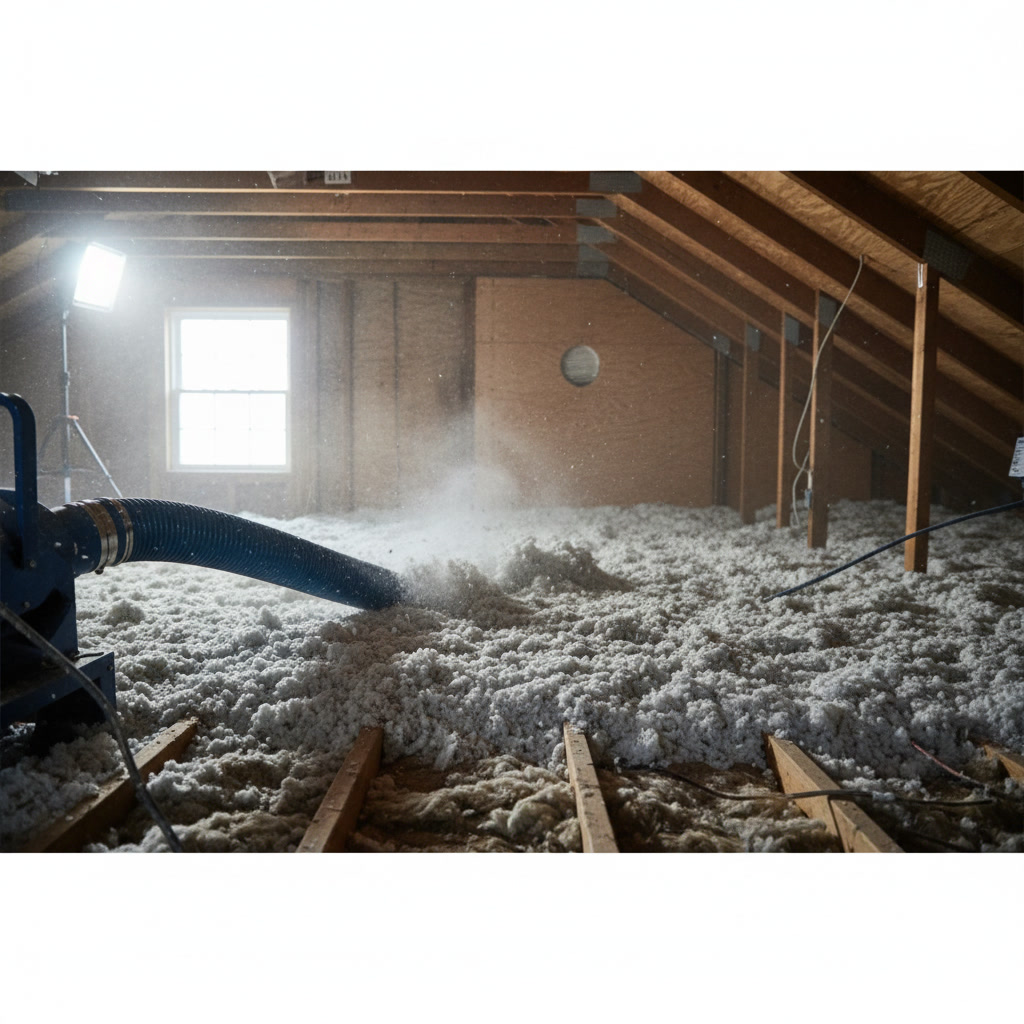
Attic insulation is the most common project and often delivers the best return on investment. Most Connecticut attics require R-38 to R-60 insulation values to meet modern efficiency standards. For a 1,000 square foot attic, expect to pay $1,700 to $2,700 for blown-in fiberglass or cellulose, and $2,500 to $5,000 for spray foam.
If your existing insulation needs removal first, add $1 to $2 per square foot to your total project cost. Older homes in areas like Hartford or Middletown often contain outdated or contaminated insulation that requires proper removal before new material goes in.
Wall Insulation Costs
Insulating exterior walls without removing drywall typically costs $2 to $4 per square foot using blown-in methods. For a 1,500 square foot single-story home, that translates to roughly $3,000 to $6,000 for all exterior walls.
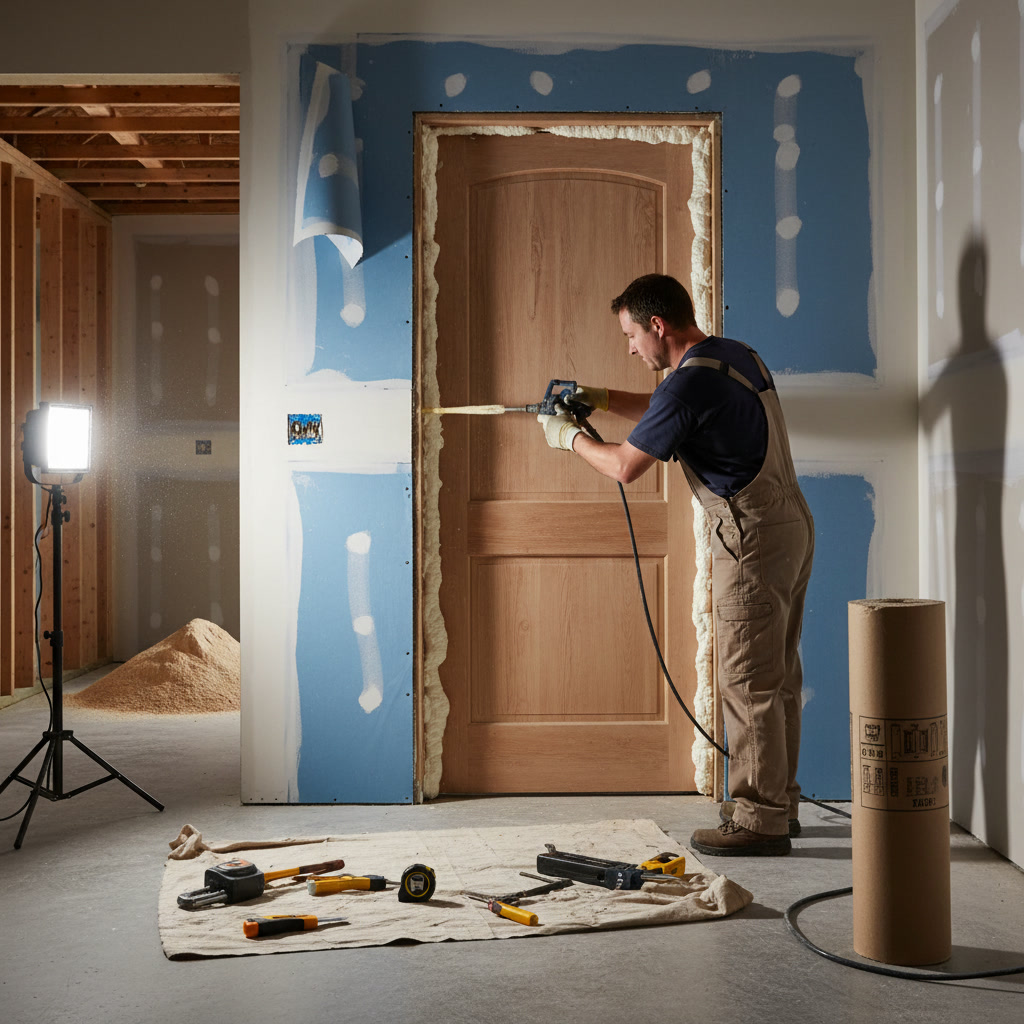
Spray foam wall insulation runs $3 to $7 per square foot depending on whether you choose open-cell or closed-cell foam. The higher upfront cost often makes sense for older homes where air sealing provides significant energy savings.
Basement and Crawl Space Insulation
Basement ceiling insulation using fiberglass batts costs $1 to $3 per square foot installed. Insulating basement walls with rigid foam boards or spray foam ranges from $3 to $8 per square foot, depending on the method and R-value needed.
Crawl space encapsulation with vapor barriers and insulation typically costs between $5,000 and $8,000 for an average Connecticut home. This comprehensive approach addresses moisture issues alongside thermal performance.

Factors That Impact Your Final Price
The base cost per square foot tells only part of the story. Several variables can push your project cost higher or create opportunities to save money without sacrificing quality.
Home Age and Current Condition
Older homes built before 1980 often lack adequate insulation or contain settling, compressed material that no longer performs effectively. These homes may require additional prep work, air sealing, or ventilation improvements before new insulation goes in.
Homes in historic areas of Wethersfield, Berlin, or Rocky Hill may have unique architectural features that complicate installation and increase labor time. Expect to pay 15% to 25% more for homes with complex layouts or difficult access points.
Insulation Material Selection
Fiberglass blown-in insulation is the most budget-friendly option at $0.80 to $1.50 per square foot for materials. Cellulose costs slightly more at $1 to $2 per square foot but offers better air sealing properties.
Spray foam is the premium choice, with open-cell foam costing $1.20 to $2 per square foot and closed-cell foam running $2 to $3.50 per square foot for materials alone. The superior air sealing and moisture resistance often justify the higher price, especially in problem areas.
Pro Tip: Don’t choose insulation based on price alone. A slightly more expensive material that properly seals air leaks can cut your heating costs by 20% to 30%, paying for itself within five to seven years.
R-Value Requirements
Connecticut’s climate zone requires minimum R-values of R-49 for attics and R-21 for walls in new construction. Older homes often have R-19 or less in attics and minimal wall insulation. Bringing your home up to current standards requires more material and increases project costs proportionally.
Each additional R-10 in your attic adds roughly $0.40 to $0.70 per square foot to the project cost. The energy savings from higher R-values become more significant during Connecticut’s cold winters.
Accessibility and Project Complexity
Easy attic access through pull-down stairs keeps labor costs reasonable. Attics requiring crew members to cut access panels or navigate tight spaces add one to three hours of labor time, increasing costs by $200 to $500.
Similarly, basement ceiling heights below six feet, excessive ductwork, or complicated framing slow down installation and drive up labor charges. Always get an in-person estimate so contractors can account for these factors.
Breaking Down Installation Labor Costs
Material costs represent only 40% to 50% of your total insulation project. Labor makes up the remaining portion and varies based on contractor experience, crew size, and regional pricing differences.
Professional insulation contractors in Connecticut typically charge $50 to $90 per hour for skilled labor. Most attic insulation projects require four to eight hours for a two-person crew, translating to $400 to $1,440 in labor charges for an average-sized space.
More complex projects like whole-house spray foam applications or wall insulation can take two to four days with larger crews, pushing labor costs to $2,000 to $4,000 or more. The investment brings expertise, proper equipment, and warranty coverage that DIY approaches cannot match.
Connecticut Regional Price Variations
Insulation cost Connecticut homeowners pay varies modestly by location, though not as dramatically as you might expect. Urban areas like Hartford and surrounding towns such as Newington, Glastonbury, and East Hampton tend to see pricing at the higher end of the range due to increased demand and higher business operating costs.
More rural areas including Portland, Meriden, and Cromwell often have slightly lower labor rates, though material costs remain consistent across the state. The difference typically amounts to 5% to 12% between high and low-cost regions.
What matters more than location is contractor selection. Top Notch Home Solution LLC serves Middletown, Berlin, Rocky Hill, and surrounding communities with transparent pricing backed by 19 years of experience. Established contractors deliver better value through efficient installation, proper material selection, and long-term warranty support.
Return on Investment and Energy Savings
The insulation cost Connecticut homeowners invest today pays dividends through lower energy bills, improved comfort, and increased home value. Understanding these financial benefits helps you evaluate whether basic or premium insulation makes sense for your situation.
Annual Energy Savings
Properly insulated Connecticut homes save between 15% and 30% on annual heating and cooling costs compared to under-insulated properties. For a home with $2,500 yearly energy expenses, that translates to $375 to $750 in annual savings.
Attic insulation typically pays for itself within three to seven years depending on your current insulation level and energy prices. Wall and basement insulation have slightly longer payback periods of five to ten years but provide comfort improvements that justify the investment even without purely financial returns.
Home Value Increases
Energy-efficient homes sell faster and command higher prices than comparable properties with poor insulation. Recent data shows that insulation upgrades return 100% to 120% of their cost when you sell, making them one of the best home improvement investments available.
Homes in competitive markets like Glastonbury and Wethersfield benefit particularly from energy efficiency upgrades that appeal to environmentally conscious buyers willing to pay premium prices for lower operating costs.
Comfort and Indoor Air Quality
The non-financial benefits of proper insulation often matter more to homeowners than energy savings alone. Consistent room temperatures eliminate cold spots and drafts. Better air sealing reduces outdoor allergens, dust, and noise infiltration.
These quality-of-life improvements are difficult to quantify financially but significantly impact daily living comfort, especially during Connecticut’s temperature extremes.
Key Takeaway: Calculate your potential savings by reviewing your last 12 months of energy bills. Multiply your annual heating and cooling costs by 0.20 to estimate your likely yearly savings from a comprehensive insulation upgrade.
How to Get Accurate Insulation Quotes
Generic phone quotes rarely reflect the true insulation cost Connecticut homeowners will pay. Accurate pricing requires in-person inspection to assess current conditions, identify problems, and recommend appropriate solutions.
What to Expect During an Estimate
Professional contractors inspect your attic, walls, and basement to evaluate existing insulation levels, identify air leaks, check for moisture problems, and measure the areas requiring work. This process takes 30 to 60 minutes for most homes.
The contractor should explain their findings, recommend specific insulation types and R-values for each area, and provide a detailed written quote breaking down material and labor costs. Be wary of estimates that lump everything into a single line item without explanation.
Questions to Ask Contractors
Ask about their experience with your specific insulation type and home style. Request references from recent projects in your area. Verify they carry proper licensing and insurance coverage for property damage and worker injuries.
Understand what prep work is included in the quote. Does the price cover air sealing, ventilation improvements, or insulation removal? Clarify warranty terms for both materials and workmanship. Standard one-year warranties are common, with extended coverage available for comprehensive projects.
Red Flags to Avoid
Extremely low quotes often indicate corner-cutting through insufficient material, rushed installation, or unlicensed workers. If a quote comes in 30% or more below competitors, ask detailed questions about what’s included and verify the company’s credentials.
High-pressure sales tactics, demands for full payment upfront, or reluctance to provide written estimates signal unprofessional operators you should avoid. Reputable insulation contractors provide clear information and reasonable time to make decisions.

DIY vs Professional Installation Cost Comparison
Homeowners comfortable with physical work can tackle some insulation projects themselves to save on labor costs. However, the complexity and potential for costly mistakes make professional installation the better choice for most situations.
When DIY Makes Sense
Simple attic batt insulation over easily accessible joists is manageable for experienced DIYers. Material costs run $0.50 to $1.20 per square foot, and you’ll save the $0.80 to $2 per square foot labor charge. For a 1,000 square foot attic, that’s potentially $800 to $2,000 in savings.
You’ll need to rent or buy equipment including a quality respirator, protective clothing, insulation blower (if using loose-fill), and proper lighting. Factor these costs and your time into the equation before committing to DIY installation.
Why Professional Installation Usually Wins
Professionals install insulation 50% to 70% faster than homeowners attempting their first project. They identify and address air leaks, moisture issues, and ventilation problems that DIYers often miss. These hidden factors dramatically impact long-term performance and energy savings.
Professional installation includes warranty coverage that protects your investment. If material settles, installation errors reduce performance, or problems emerge, you have recourse. DIY installations offer no such protection, and fixing mistakes often costs more than hiring professionals from the start.
Spray foam installation always requires professional equipment and expertise. The chemical mixing ratios, application techniques, and safety requirements put this firmly in the professional-only category despite the higher costs.
Financing Options and Incentives
Several programs help Connecticut homeowners offset insulation costs through rebates, tax credits, and financing options. Taking advantage of these opportunities reduces your out-of-pocket expenses and improves project economics.
Connecticut Energy Efficiency Programs
Energize Connecticut offers rebates for insulation upgrades that meet program requirements. Typical rebates range from $250 to $1,000 depending on project scope and energy savings achieved. Your contractor can help you navigate the application process and ensure work meets program standards.
Some utility companies offer additional incentives or discounted energy audits that identify where insulation improvements deliver the biggest impact. These audits typically cost $50 to $100 but provide detailed analysis worth far more than the modest fee.
Federal Tax Credits
The Inflation Reduction Act extended energy efficiency tax credits through 2032. Qualifying insulation projects can receive tax credits up to 30% of project costs, with annual limits applying. Check current IRS guidelines or consult your tax professional to understand how these credits apply to your situation.
Contractor Financing
Many insulation contractors partner with financing companies to offer payment plans that spread costs over 12 to 60 months. Interest rates vary based on credit scores and promotional periods, but these programs make larger projects accessible without depleting savings accounts.
Compare financing costs against the energy savings you’ll realize. If monthly energy bill reductions exceed your monthly payment, the project effectively pays for itself from day one.
Frequently Asked Questions
How much does it cost to insulate a 2,000 square foot house in Connecticut?
Insulating a 2,000 square foot house typically costs between $3,500 and $8,500 depending on whether you’re adding attic insulation only or including walls and basement. Whole-house spray foam insulation for this size home runs $10,000 to $18,000. The wide range reflects differences in insulation type, current conditions, and accessibility factors that vary by property.
Is spray foam insulation worth the extra cost in Connecticut?
Spray foam costs two to three times more than traditional options but provides superior air sealing and moisture control that significantly benefit Connecticut homes. The investment makes most sense for older homes with significant air leakage, problem areas prone to ice dams, or spaces where maximum R-value per inch matters. For basic attic insulation in newer homes, blown-in fiberglass or cellulose typically offers better value.
Can I just add insulation on top of existing attic insulation?
Adding new insulation over existing material works well if the current insulation is dry, uncompressed, and free from mold or pest damage. Most Connecticut homes can benefit from this approach since attics built before 2000 typically have R-19 or less, well below the current R-49 to R-60 recommendation. Have a professional assess whether your existing insulation should stay or requires removal first.
How long does insulation installation take?
Most attic insulation projects take one day for a professional crew to complete. Wall insulation through injection or blown-in methods typically requires one to two days depending on home size. Whole-house spray foam applications take two to four days for average-sized Connecticut homes. Your contractor should provide a clear timeline during the estimate process.
What time of year is best for insulation installation?
Insulation installation works year-round, though spring and fall offer the most comfortable working conditions. Many contractors offer better pricing during slower winter months when demand drops. Don’t wait for a specific season if your home has inadequate insulation since every month of delay means higher energy bills and reduced comfort.
Getting Started with Your Insulation Project
Understanding insulation cost Connecticut homeowners typically pay helps you budget appropriately and recognize fair pricing when you receive quotes. Most projects return their investment through energy savings within three to seven years while immediately improving home comfort and indoor air quality.
The next step is scheduling an in-person evaluation with an experienced contractor who can assess your specific situation and recommend solutions tailored to your home and budget. Look for companies with established track records, proper licensing and insurance, and transparent pricing that breaks down exactly what you’re paying for.
Top Notch Home Solution LLC has served homeowners throughout Cromwell, Middletown, and central Connecticut communities for years with honest, professional insulation services backed by comprehensive warranties. Our family-owned company brings 19 years of experience to every project, ensuring you receive reliable workmanship and materials that deliver long-term performance. Call +18607068116 to schedule your free estimate and learn exactly what your insulation project will cost.