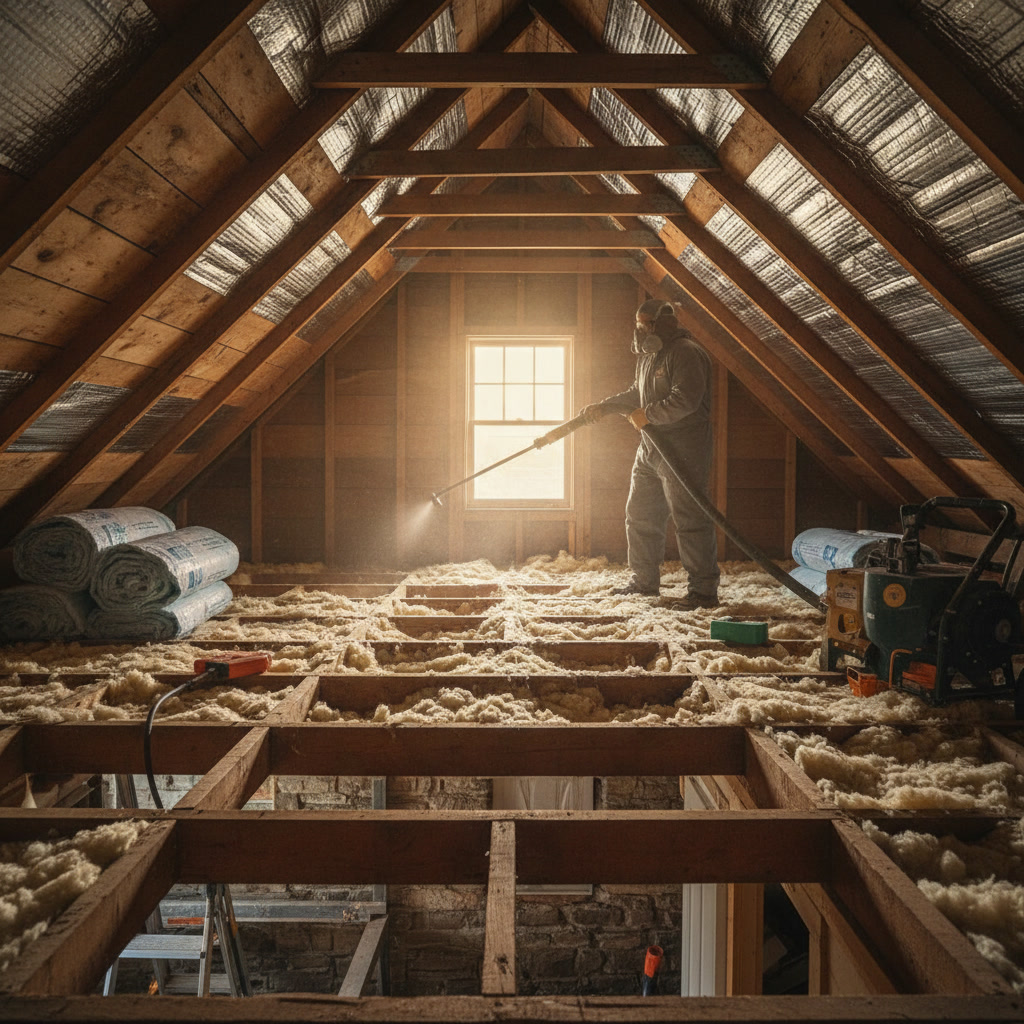
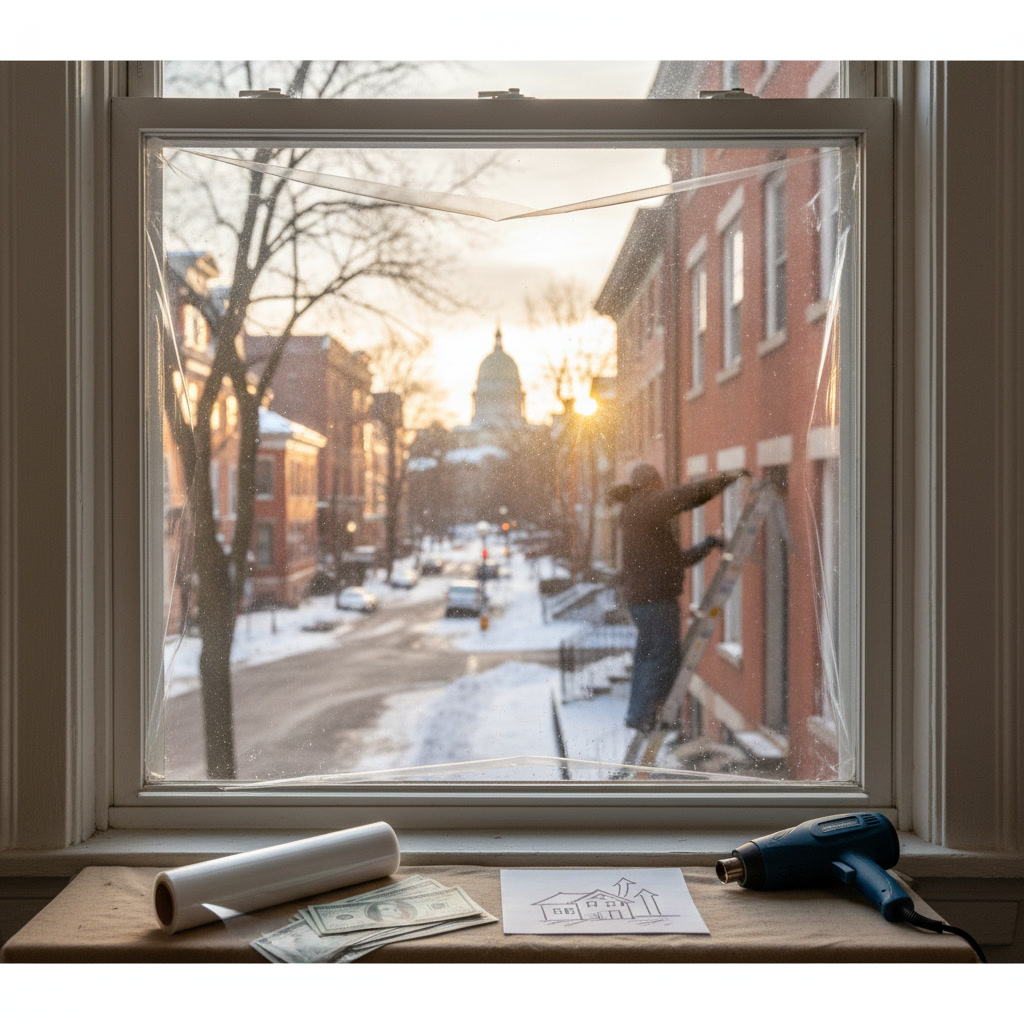
Drafty windows can send your heating bills through the roof during Connecticut’s cold winters. If you’ve noticed cold air seeping through your windows or high energy costs, you’re likely wondering what it will take to fix the problem. Understanding window insulation cost helps you budget properly and choose the right solution for your Hartford home.
This guide breaks down typical pricing for window insulation in Hartford CT, explains what influences the final cost, and helps you determine which option makes the most financial sense for your situation.
Average Window Insulation Cost in Hartford
The window insulation cost in Hartford CT typically ranges from $3 to $20 per window for basic weatherstripping, while more comprehensive solutions like cellular shades or window film can cost $50 to $200 per window. Full window replacement, the most expensive but also most effective option, runs between $300 and $1,000 per window depending on size and quality.
Most Hartford homeowners spend between $500 and $2,500 for a complete window insulation project covering an average-sized home with 10 to 15 windows. The wide price range reflects different approaches, from simple DIY fixes to professional installation of advanced insulation products.
Here’s a breakdown of common window insulation methods and their typical costs:
- Weatherstripping: $3 to $20 per window
- Window film or shrink wrap: $10 to $35 per window
- Caulking and sealing: $5 to $15 per window
- Cellular or insulated shades: $50 to $200 per window
- Window inserts: $75 to $300 per window
- Storm windows: $150 to $500 per window
- Full window replacement: $300 to $1,000+ per window
Professional installation typically adds $50 to $100 per hour to material costs, though some contractors quote per-window pricing that includes both labor and materials.
Factors That Affect Your Window Insulation Cost
Several variables influence how much you’ll ultimately pay for window insulation. Understanding these factors helps you get accurate estimates and avoid surprise costs.
Window Size and Quantity
Larger windows require more materials and labor time. A standard double-hung window (36 by 48 inches) costs less to insulate than a bay window or floor-to-ceiling glass. The number of windows obviously impacts total project cost, though contractors often offer volume discounts for homes with many windows.
Window Condition and Age
Older windows with rotted frames or broken seals may need repair work before insulation can be effective. Windows in poor condition sometimes make more financial sense to replace entirely rather than investing in temporary insulation fixes. A professional assessment can help you make this call.
Insulation Method Selected
The approach you choose dramatically affects pricing. Basic weatherstripping represents the most affordable option but may not solve significant draft problems. Window insulation methods that provide better performance, like storm windows or insulated cellular shades, cost more upfront but deliver greater energy savings over time.
Professional vs DIY Installation
DIY window insulation can save on labor costs if you’re handy and have time. However, improper installation reduces effectiveness and may cause moisture problems or damage. Professional installation ensures proper sealing and typically comes with warranties. For homes in Hartford, CT and surrounding areas, professional work often proves worth the investment.
Season and Scheduling
Contractors stay busiest during fall when homeowners prepare for winter. Scheduling work during slower seasons (late spring or summer) may get you better rates. However, waiting until cold weather arrives means higher energy bills in the meantime.
Types of Window Insulation and What They Cost
Each insulation method offers different benefits, lifespans, and price points. Choosing the right one depends on your windows’ current condition, your budget, and how long you plan to stay in your home.
Weatherstripping
Weatherstripping seals gaps around movable window components. Materials include foam tape, V-strip, felt, and tubular rubber or vinyl. This affordable option works well for newer windows with minor gaps.
Professional installation costs $50 to $100 for a typical window, including materials and labor. DIY materials run $3 to $20 per window. Quality weatherstripping lasts three to five years before needing replacement.
Caulking and Sealing
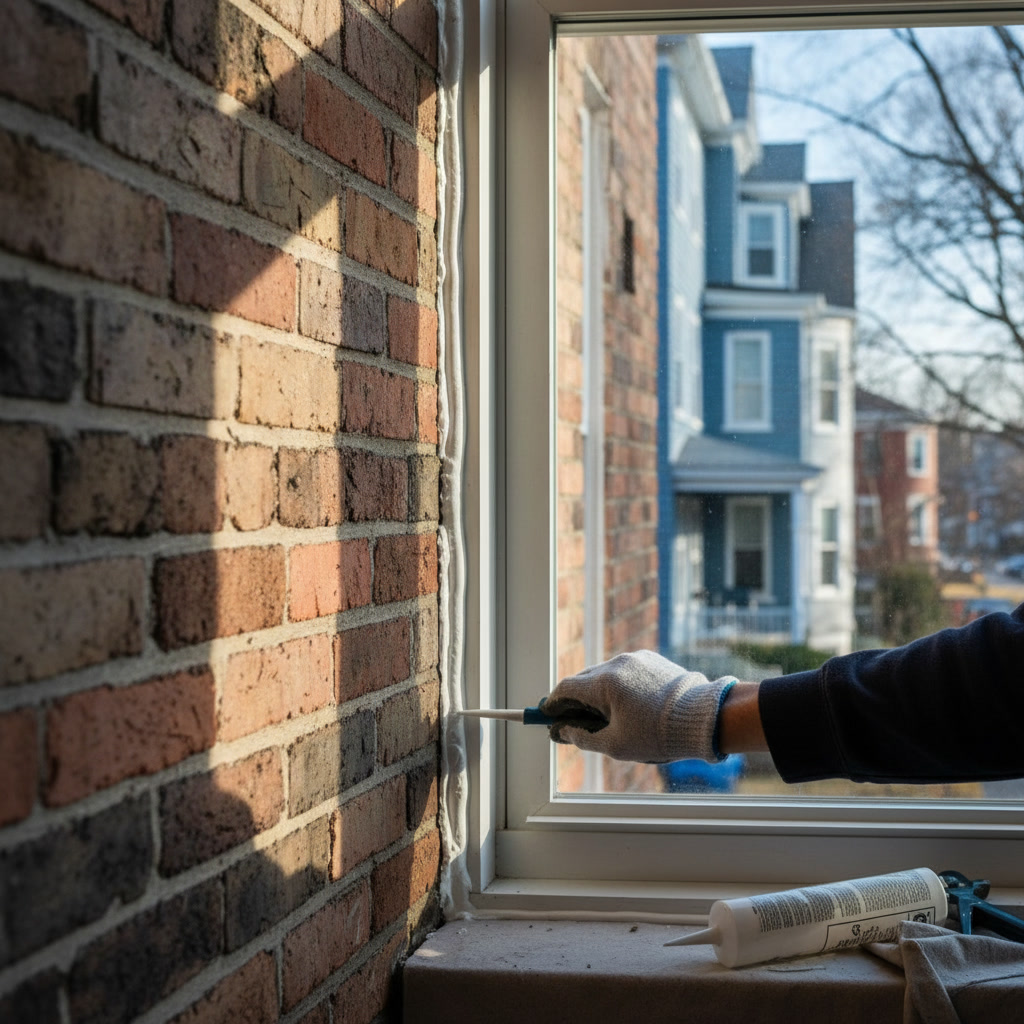
Caulk fills stationary gaps between window frames and walls. This permanent solution prevents air infiltration around the window perimeter. Combined with weatherstripping on moving parts, caulking creates comprehensive sealing.
A tube of quality exterior caulk costs $5 to $10 and typically covers two to three windows. Professional application runs $10 to $25 per window. Properly applied caulk lasts 10 to 15 years.
Window Insulation Film
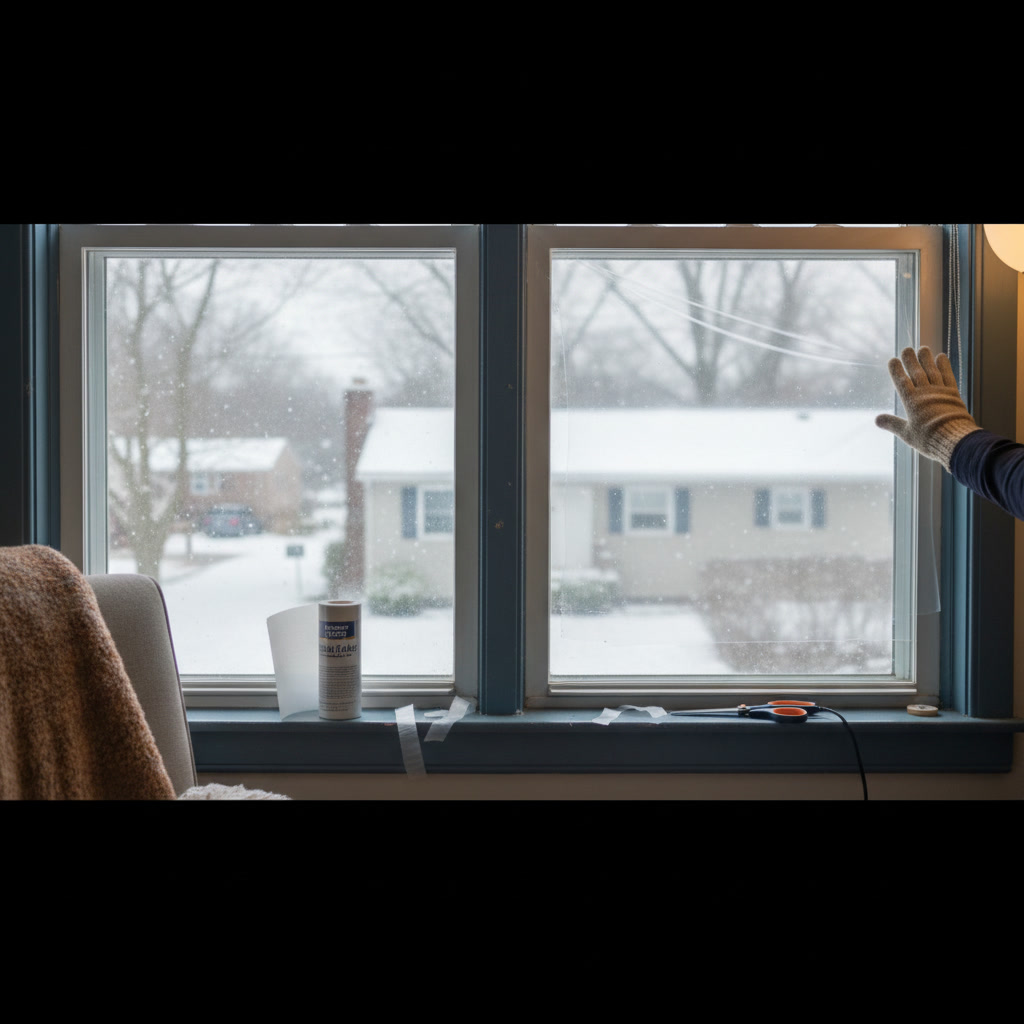
Plastic shrink film creates an insulating air pocket over the entire window. Applied with double-sided tape, you then shrink the film tight with a hair dryer. This temporary solution works well for single-pane windows.
Film kits cost $10 to $35 per window for DIY installation. Professional application isn’t common for film since it’s designed as a temporary, homeowner-applied product. Film lasts one season and gets removed in spring.
Cellular Shades and Insulated Curtains
Honeycomb cellular shades trap air in their pockets, providing significant insulation value. When closed, they create a barrier between the window and your room. Insulated curtains offer similar benefits at lower cost but with less convenience.
Quality cellular shades run $50 to $200 per window depending on size and features like top-down/bottom-up operation or motorization. Professional installation adds $50 to $150 per window. These treatments last 10 to 15 years with proper care.
Window Inserts
Acrylic or glass inserts mount inside your existing window frames, creating a second pane without full replacement. They’re removable for cleaning and summer storage. Inserts work particularly well for historic homes where window replacement isn’t desirable.
Custom-fit window inserts cost $75 to $300 per window installed. They last 15 to 20 years and provide insulation value comparable to double-pane windows.
Storm Windows
Exterior or interior storm windows add a protective layer over existing windows. Modern versions use low-E glass and tight seals for excellent performance. They protect your original windows while dramatically improving insulation.
Storm windows range from $150 for basic aluminum models to $500+ for custom wood or vinyl versions. Installation adds $50 to $100 per window. Quality storm windows last 20 to 30 years.
Window Replacement vs Insulation
Sometimes replacing old windows makes more sense than trying to insulate them. This decision depends on several factors including current window condition, your budget, and long-term plans.
New energy-efficient windows cost $300 to $1,000+ per window installed. While expensive upfront, they provide better insulation than any retrofit method, require no maintenance beyond cleaning, and last 20 to 30 years. They also improve your home’s appearance and value.
Consider replacement if your windows show these signs:
- Visible rot or damage to frames or sills
- Broken seals on double-pane windows (condensation between panes)
- Difficulty opening, closing, or locking
- Single-pane construction in primary living areas
- Plans to stay in your home for five or more years
Insulation upgrades make sense when windows are structurally sound but simply lack adequate sealing, or when you need an immediate solution on a limited budget. For comprehensive guidance on insulation projects and costs, see our detailed Connecticut insulation cost breakdown.
Pro Tip: Get a professional energy audit before deciding between insulation and replacement. The audit identifies your biggest heat loss areas and calculates potential savings, helping you invest in improvements that deliver the best return.
Energy Savings From Window Insulation
Properly insulated windows reduce heating and cooling costs by preventing conditioned air from escaping. The amount you’ll save depends on your current windows’ condition, the insulation method you choose, and your home’s size.
According to the Department of Energy, windows account for 25 to 30 percent of residential heating and cooling energy use. Reducing heat loss through windows can cut your energy bills by 10 to 25 percent annually.
For an average Hartford home spending $2,000 annually on heating and cooling, effective window insulation could save $200 to $500 per year. Basic weatherstripping and caulking (costing $200 to $400 for the whole house) pays for itself in less than one year.
More expensive options like storm windows ($2,500 for 15 windows) or cellular shades ($1,500) typically achieve payback in three to six years through energy savings. Window replacement takes longer to recoup costs, usually seven to 15 years, but adds home value and eliminates maintenance issues.
Beyond dollar savings, insulated windows improve comfort by eliminating cold drafts near windows and reducing temperature variations between rooms. They also decrease outside noise and reduce condensation that can lead to mold or damage.

Finding the Right Window Insulation Contractor
Professional installation ensures your window insulation performs as expected and lasts its full lifespan. The right contractor brings experience, proper tools, and warranties that protect your investment.
Look for contractors with these qualifications:
- Valid Connecticut Home Improvement Contractor license
- General liability and workers’ compensation insurance
- Multiple years of experience with window insulation specifically
- Positive reviews from recent customers in your area
- Written estimates that itemize materials and labor
- Warranties on both materials and workmanship
Top Notch Home Solution LLC has served Hartford and surrounding Connecticut communities for 19 years with professional insulation contractor services. As a family-owned business, we focus on quality workmanship and customer satisfaction, backed by standard one-year warranties with extended coverage available.
Get at least three estimates before making a decision. Be wary of prices significantly lower than others, as this often indicates inferior materials or inexperienced installers. The lowest bid rarely delivers the best value.
Ask potential contractors these questions:
- What insulation method do you recommend for my specific windows and why?
- Can you provide references from recent window insulation projects?
- What warranties do you offer on materials and labor?
- How long will the project take from start to completion?
- Do you handle any necessary repairs to window frames or sills?
DIY Window Insulation Tips
Handy homeowners can tackle basic window insulation projects and save on labor costs. Success requires careful attention to detail and using quality materials designed for your specific window type.
Start by identifying where air leaks occur. On a windy day, hold a lit incense stick near window edges and watch for smoke movement. Check these common leak points: where the window frame meets the wall, along the sash where upper and lower windows meet, and around the perimeter of the window pane.
Apply weatherstripping when temperatures are above 50 degrees Fahrenheit so adhesives bond properly. Clean all surfaces thoroughly with rubbing alcohol before applying any weatherstripping or caulk. Dirt and old adhesive prevent good adhesion.
For caulking, cut the tube tip at a 45-degree angle for better control. Apply steady pressure and move smoothly along the gap. Tool the bead with a wet finger immediately after application for a neat finish. Use paintable caulk if you plan to paint window trim.
When installing window film, measure carefully and cut slightly larger than needed. The film shrinks when heated, so leave a small margin. Take your time removing wrinkles with the hair dryer, working from center to edges.
Key Takeaway: Don’t over-seal your home. Windows need some air exchange to prevent moisture buildup. Maintain proper ventilation through bath fans, kitchen exhaust, and occasional fresh air exchange even with well-insulated windows.
Frequently Asked Questions
Is window insulation worth the cost?
Yes, window insulation provides excellent return on investment through reduced energy bills and improved comfort. Basic weatherstripping and caulking pay for themselves in less than a year, while more expensive methods like storm windows or cellular shades recoup costs within three to six years. Beyond financial savings, insulated windows eliminate drafts, reduce noise, and prevent condensation problems.
What is the cheapest way to insulate windows?
Weatherstripping and caulking represent the most affordable window insulation methods, costing $5 to $20 per window for DIY installation. Window insulation film (plastic shrink wrap) costs slightly more at $10 to $35 per window but requires annual replacement. These basic methods work well for windows in decent condition that just need better sealing around gaps.
How long does professional window insulation last?
Longevity depends on the method used. Weatherstripping lasts three to five years, caulk lasts 10 to 15 years, and window film needs annual replacement. Permanent solutions like cellular shades last 10 to 15 years, window inserts last 15 to 20 years, and storm windows last 20 to 30 years. Professional installation typically extends product life compared to DIY work because of proper preparation and application.
Can I insulate windows without replacing them?
Absolutely. Multiple insulation methods improve window performance without full replacement. Options include weatherstripping, caulking, window film, cellular shades, window inserts, and storm windows. These approaches work well when windows are structurally sound but lack adequate insulation. However, windows with rot, broken seals, or significant damage typically need replacement for best results.
When is the best time to insulate windows in Connecticut?
Late summer or early fall offers ideal timing for window insulation projects in Connecticut. You address the problem before heating season begins, and contractors have better availability than during their busy fall rush. Many adhesives and caulks also require temperatures above 50 degrees for proper application, making late spring through early fall the best weather window for installation work.
Get Your Window Insulation Quote Today
Understanding window insulation cost helps you budget effectively and choose solutions that match your needs and timeline. Whether you need basic weatherstripping for a few problematic windows or comprehensive insulation for your entire home, investing in proper window sealing pays dividends through lower energy bills and improved comfort.
Top Notch Home Solution LLC provides professional window and door insulation services throughout Hartford, Middletown, Berlin, Rocky Hill, Newington, Wethersfield, Meriden, Portland, East Hampton, Glastonbury, and surrounding Connecticut communities. Our 19 years of experience and commitment to quality workmanship ensure your project delivers lasting results.
Contact us at +18607068116 for your free estimate and learn how proper window insulation can transform your home’s comfort and efficiency.