Spray foam insulation expands to fill every crack and gap, creating an airtight barrier that traditional materials like fiberglass and cellulose simply cannot match. Unlike batts that leave spaces around framing or blown-in options that settle over time, spray foam forms a continuous seal that stops air movement at the source. The spray foam insulation benefits extend beyond basic thermal protection, addressing the root cause of energy loss in most homes: uncontrolled air infiltration.
Why Air Leaks Cost You More Than Poor Insulation
Most homeowners focus on R-value when choosing insulation, but air leakage accounts for 25 to 40 percent of heating and cooling costs in a typical house. Your furnace or air conditioner works overtime not because your walls lack insulation, but because conditioned air escapes through hundreds of tiny gaps around outlets, plumbing penetrations, rim joists, and framing joints. Traditional insulation materials sit in place but do nothing to seal these pathways.
Air carries moisture along with it. When warm, humid air from inside your home leaks into wall cavities during winter, it can condense on cold surfaces and create conditions for mold growth or wood rot. Stopping air movement matters as much for structural integrity as it does for comfort.
How Traditional Insulation Materials Handle Air Movement
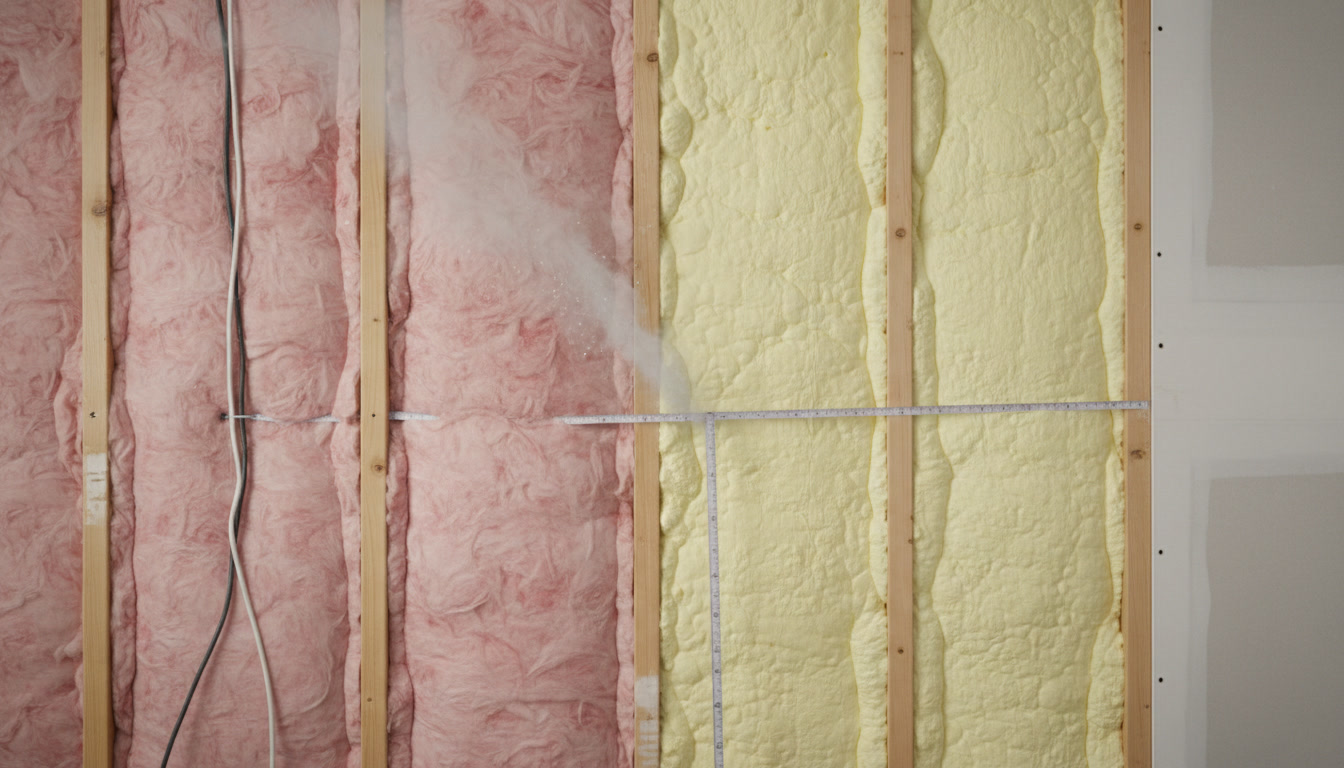
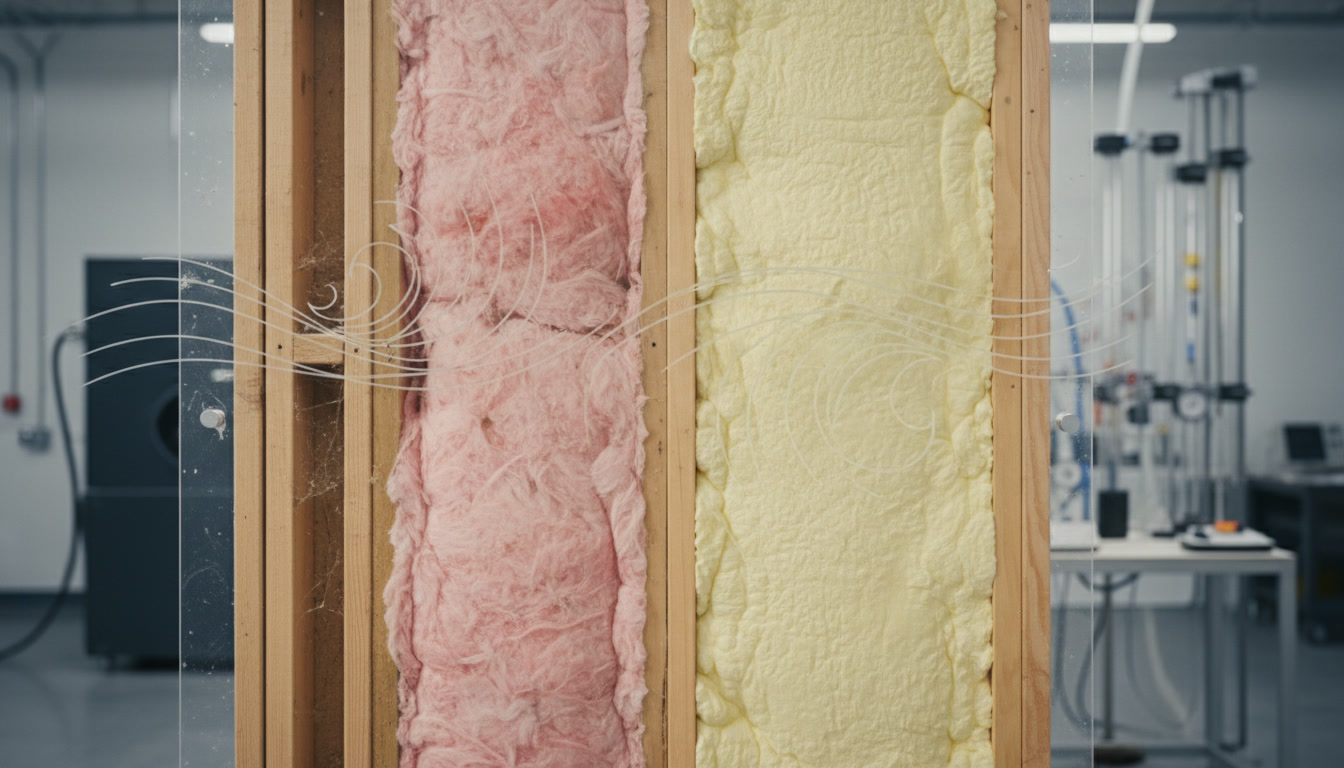
Fiberglass batts rely on their thickness to slow heat transfer, but air flows right through the glass fibers. A one-eighth inch gap along the edge of a fiberglass batt can reduce its effective R-value by 30 percent or more. Installers try to cut batts precisely and stuff them into cavities, but framing irregularities, electrical boxes, and plumbing create unavoidable voids.
Cellulose performs better because it fills cavities more completely when blown in. Gravity and settling still create problems over time, especially in walls. Dense-pack cellulose installations reduce but do not eliminate air movement. The material itself offers some resistance to airflow but creates no actual seal.
The Expansion Property That Changes Everything
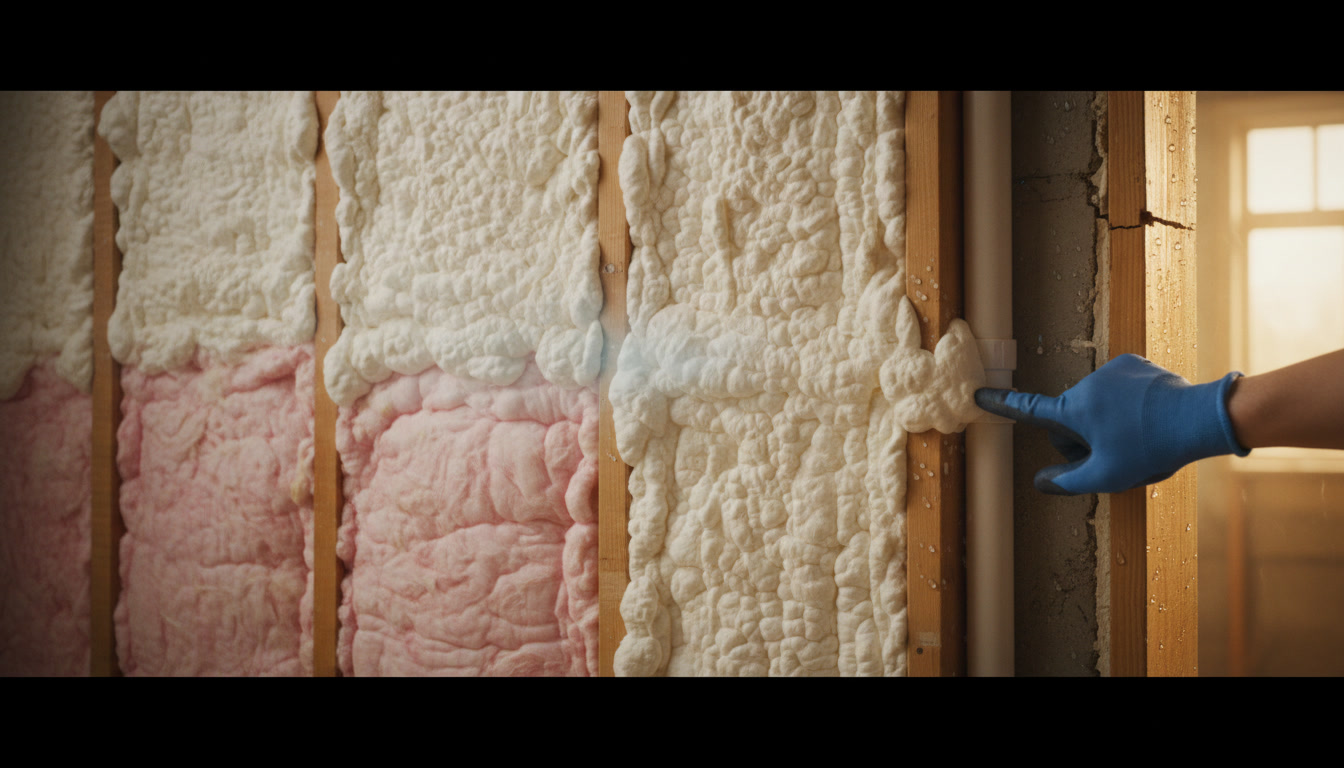
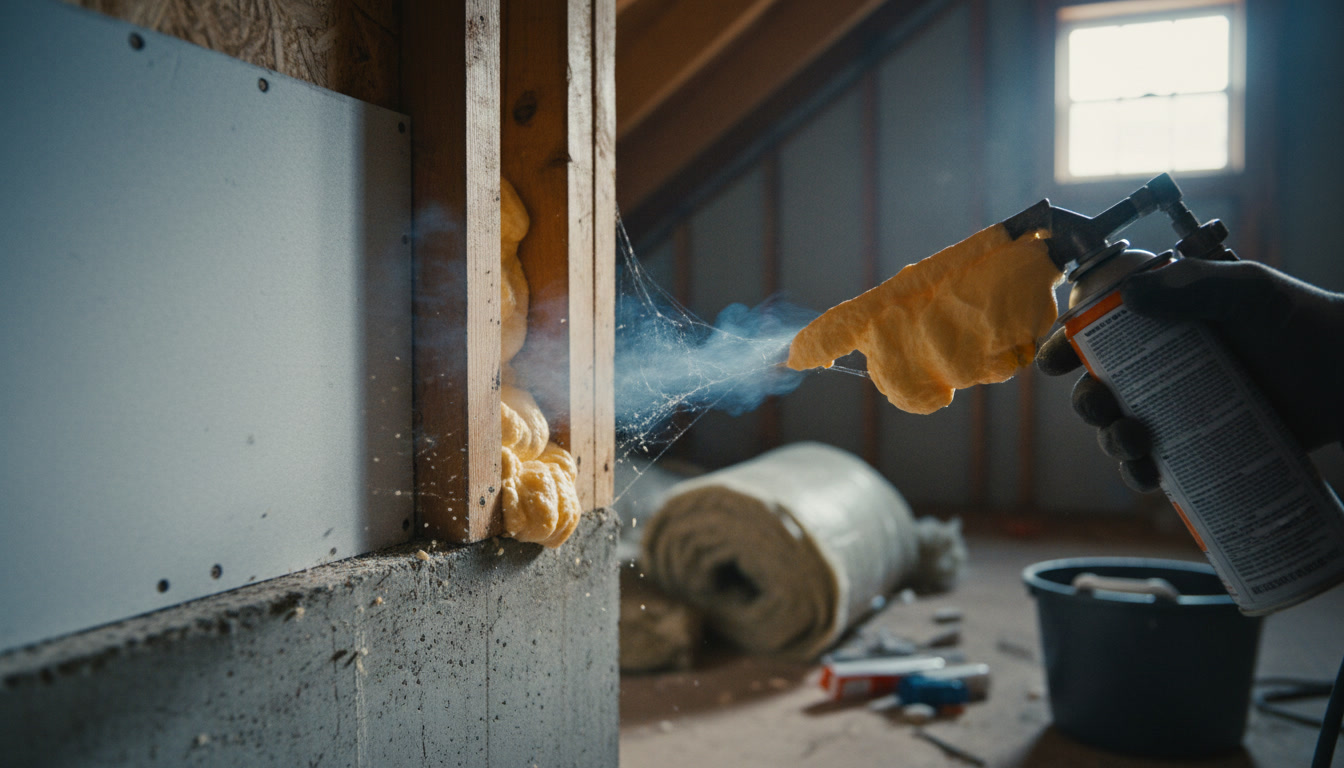
Spray foam starts as a liquid mixture of two chemical components. Within seconds of application, it expands 30 to 100 times its original volume, depending on whether you choose open-cell or closed-cell formulation. This expansion pushes the material into every crack, around every wire, and into every irregular space in the building envelope.
As the foam cures, it forms a rigid or semi-rigid structure that adheres to wood, metal, concrete, and most other building materials. This adhesion creates a mechanical bond that remains stable for decades. Unlike batts that can sag or cellulose that settles, spray foam stays exactly where installers put it.
Open-Cell vs. Closed-Cell Performance in Middletown Homes
Open-cell spray foam expands more dramatically and costs less per board foot. It provides an R-value of about 3.5 per inch and creates an excellent air seal while remaining somewhat flexible. This flexibility helps it accommodate minor structural movement without cracking.
Closed-cell foam expands less but delivers about R-6.5 per inch and adds structural rigidity to walls and roofs. The tiny closed cells also block moisture vapor, creating a two-in-one air and vapor barrier. In Connecticut’s climate, this dual function helps prevent condensation issues in walls and attics.
Both types seal air leaks far more effectively than any traditional material. The choice between them depends on your specific application, budget, and whether you need the added vapor control or structural benefit of closed-cell foam.
Where Air Leaks Hide in Your Home
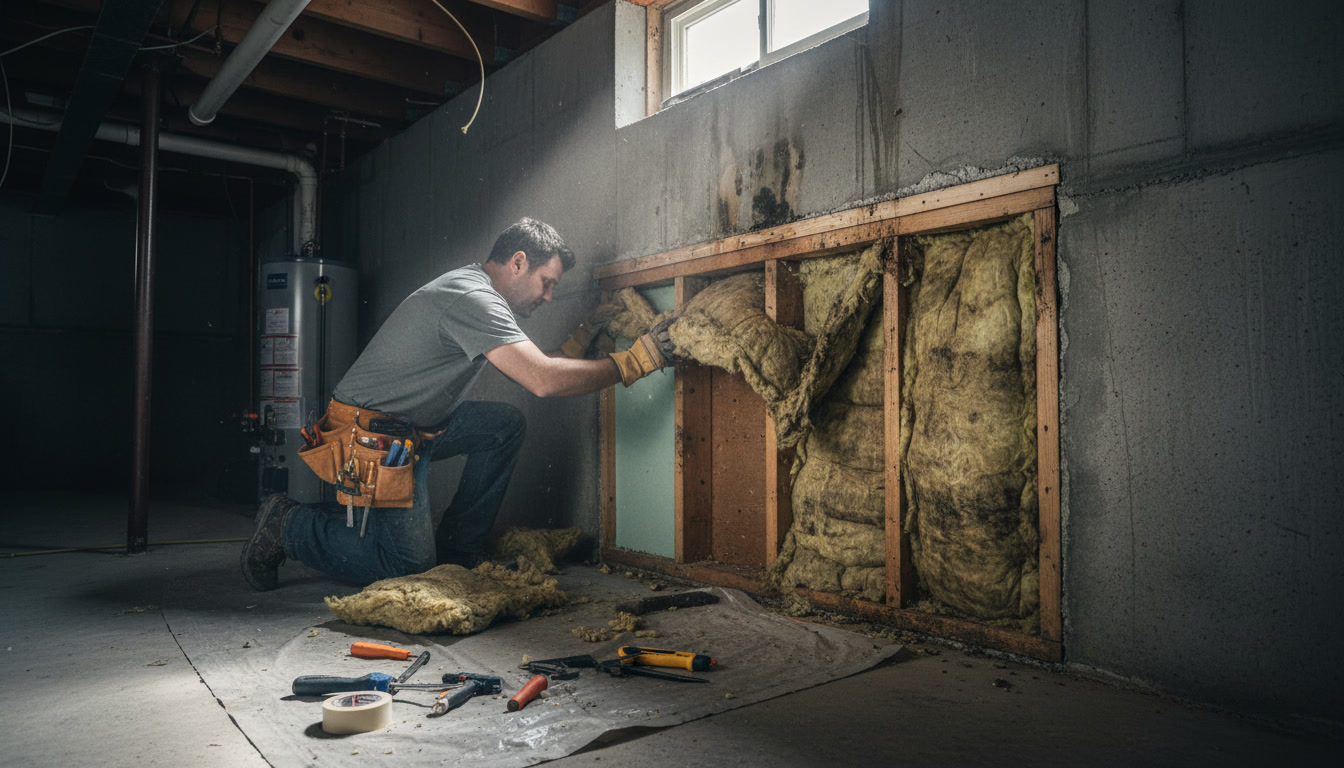
The rim joist area where your first floor meets the foundation represents one of the largest sources of air leakage in most homes. This spot combines multiple material transitions, irregular cavities, and direct exposure to outside temperatures. Fiberglass batts installed here rarely make full contact with all surfaces and leave significant gaps.
Spray foam fills this space completely, sealing the sill plate, rim board, and subfloor in one continuous application. Homes with spray foam at the rim joist typically see immediate comfort improvements in rooms above the basement.
Attic bypasses around chimneys, plumbing stacks, recessed lights, and whole-house fans create direct pathways for air to flow from living spaces into the attic. These routes often go unnoticed because they hide under insulation. Spray foam applied around these penetrations stops the air movement that traditional materials cannot address.
Measurable Performance Differences in Blower Door Tests
Professional energy auditors use blower door tests to measure air leakage. The test depressurizes your home and quantifies how much air flows through the building envelope. Results appear as ACH50, or air changes per hour at 50 pascals of pressure.
A typical existing home in Connecticut might test at 8 to 12 ACH50. After a professional insulation contractor applies spray foam to key areas like the rim joist, attic plane, and wall cavities, the same home often measures 3 to 5 ACH50. Homes insulated entirely with spray foam can achieve 1 to 2 ACH50, approaching passive house standards.
These numbers translate directly to lower utility bills and more consistent temperatures between rooms. The tighter your home’s envelope, the smaller the heating and cooling system you need and the less energy you consume.
How Installation Technique Affects Air Sealing Results
Spray foam requires specialized equipment and training. The two components must mix at precise ratios and temperatures. Improper mixing creates foam that does not expand fully, cures too slowly, or develops poor adhesion. Surface preparation matters too. Dust, frost, or moisture on substrates can prevent proper bonding.
Experienced installers know how to adjust application thickness and technique for different cavity depths and configurations. They understand where to stop foam short of the wall surface to leave room for drywall and where to apply extra thickness for better thermal performance. This expertise directly affects how well the foam seals air leaks.
Top Notch Home Solution LLC brings 19 years of experience to every installation, ensuring the foam performs as intended. Proper installation makes the difference between a home that tests well and one that merely looks insulated.
Comparing Long-Term Air Sealing Durability
Fiberglass batts can shift, compress, or fall out of place over time, especially in walls and cathedral ceilings. Cellulose settles at a rate of 1 to 3 percent per year in walls, creating gaps at the top of cavities. Both materials allow air to find new pathways as the building shifts and settles.
Spray foam remains dimensionally stable for the life of the building. It does not settle, sag, or compress under its own weight. The adhesive bond to framing members keeps it in place even as wood expands and contracts with seasonal humidity changes. Once cured, spray foam maintains its air-sealing performance indefinitely.
This durability means you invest once and enjoy the benefits for as long as you own the home. Traditional materials may need replacement or augmentation within 15 to 20 years, especially if moisture or pest issues develop.
Cost vs. Performance Analysis for Connecticut Homeowners
Spray foam costs more upfront than fiberglass or cellulose. Closed-cell foam typically runs two to three times the price of blown cellulose per square foot. Open-cell foam falls somewhere in the middle. Many homeowners hesitate at these numbers without considering the total cost of ownership.
The superior air sealing reduces heating and cooling costs by 20 to 50 percent compared to traditional materials, depending on the starting condition of your home. Over a 10 to 15 year period, energy savings often recover the initial cost premium. Some homeowners also see lower costs for window insulation and door insulation upgrades because the improved envelope makes these enhancements more cost-effective.
If you are comparing options, request detailed proposals that specify material type, thickness, and coverage area. Understand what preparation work is included and whether the installer will handle electrical or plumbing modifications needed for proper foam application. Understanding typical insulation costs in Connecticut helps you evaluate quotes accurately.
When Spray Foam Makes the Most Sense
New construction and major renovations offer the best opportunity to install spray foam throughout the entire building envelope. You can apply it directly to studs and rafters before drywall goes up, ensuring complete coverage without working around finished surfaces.
Retrofit applications work well in attics, rim joists, crawl spaces, and other accessible areas. Many homeowners start with the attic because it typically offers the highest return on investment and easiest access. Sealing the attic floor or roof deck with spray foam addresses both heat loss and air leakage in one step.
Homes with specific comfort problems benefit dramatically from targeted spray foam applications. If you have rooms that stay cold in winter or hot in summer despite running the HVAC system constantly, air leaks likely contribute more than insufficient insulation. Spray foam in the right locations solves these problems more effectively than adding more fiberglass.
Making the Right Choice for Your Home’s Needs
Understanding how spray foam insulation creates airtight barriers helps you make informed decisions about your home’s energy performance. The material’s ability to expand into every gap and adhere permanently to building surfaces delivers results that traditional insulation simply cannot match. Reduced energy bills, improved comfort, and better moisture control justify the higher initial investment for many homeowners.
Choosing the right insulation strategy depends on your home’s current condition, your budget, and your long-term goals. Professional assessment identifies where air leaks cost you the most and where spray foam delivers the greatest benefit.
Top Notch Home Solution LLC provides expert insulation services throughout central Connecticut, helping homeowners achieve better comfort and lower energy costs. Our team evaluates your specific needs and recommends solutions that fit your budget and goals. Contact us at +18607068116 to schedule your free estimate and learn how spray foam can improve your home’s performance.