Rim joists account for up to 20% of a home’s total heat loss, yet most basements have little or no insulation in this critical area. When rim joist insulation is missing or deteriorating, you’ll notice cold drafts, higher energy bills, and even moisture problems along your foundation. The rim joist sits where your first-floor framing meets the foundation wall, creating a vulnerable seam that exposes your home to outdoor temperatures and air infiltration.
Why Rim Joists Are the Forgotten Energy Leak
Most homeowners focus on attic insulation or wall cavities, but the rim joist runs along the entire perimeter of your basement. This wooden band sits on top of your foundation and supports the first-floor joists. Because it connects conditioned indoor space to unconditioned crawl or basement areas, it acts as a thermal bridge when left uninsulated.
Older homes built before modern energy codes often have exposed rim joists with no insulation whatsoever. Even newer construction sometimes uses inadequate fiberglass batts that compress over time or leave gaps where air freely moves. The result is a continuous band of energy loss wrapping around your entire home.
Cold Drafts and Temperature Variations
One of the clearest signs of missing or failing insulation is feeling cold air near your basement walls or along the first-floor perimeter. If you hold your hand near the rim joist area on a cold day, you’ll often feel a noticeable temperature difference compared to interior walls.
These drafts don’t stay in the basement. Cold air sinks and creates convection currents that pull warm air down from upper floors, forcing your heating system to work harder. You might notice certain rooms above the basement feel colder than others, especially those on exterior walls.
Visible Gaps, Cracks, or Deteriorating Material
Walk around your basement with a flashlight and examine the rim joist area where the foundation meets the floor framing above. Look for visible gaps between the wood and the foundation, spaces around wiring or plumbing penetrations, or daylight peeking through from outside.
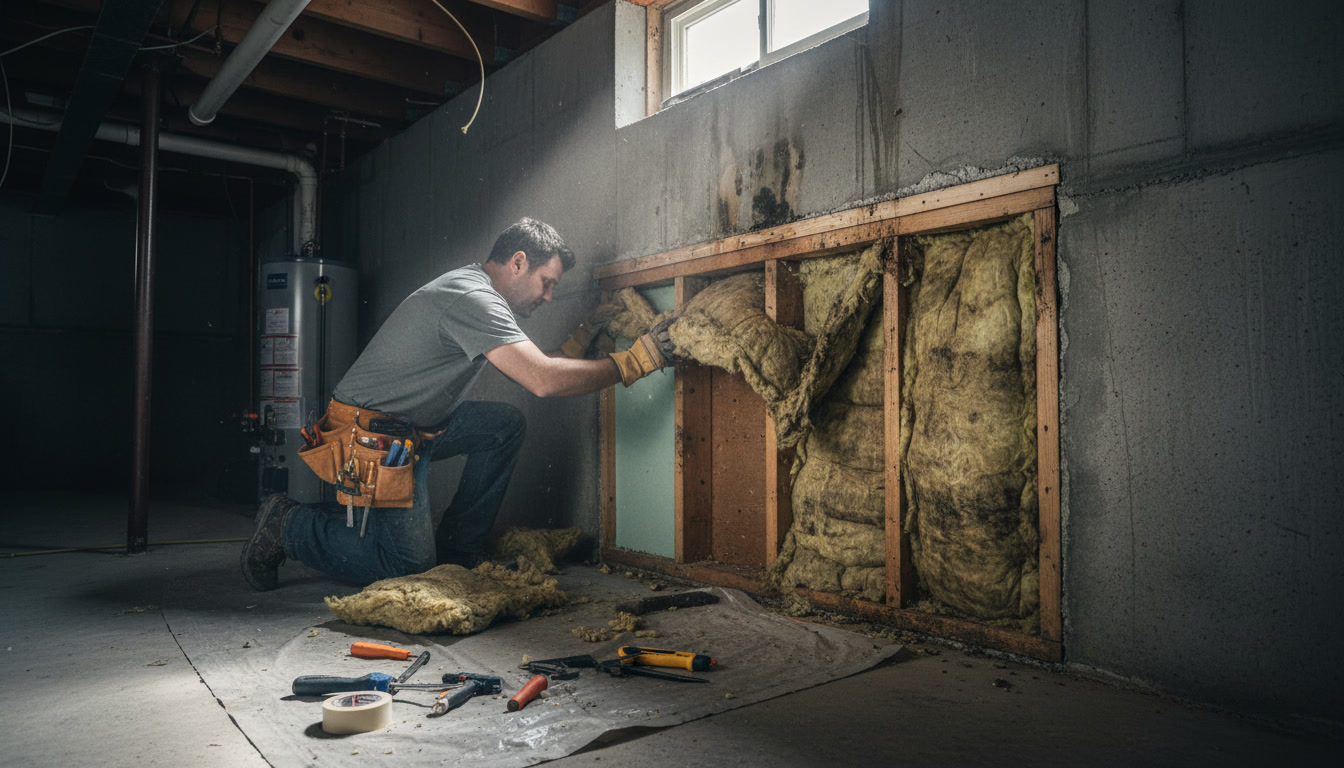
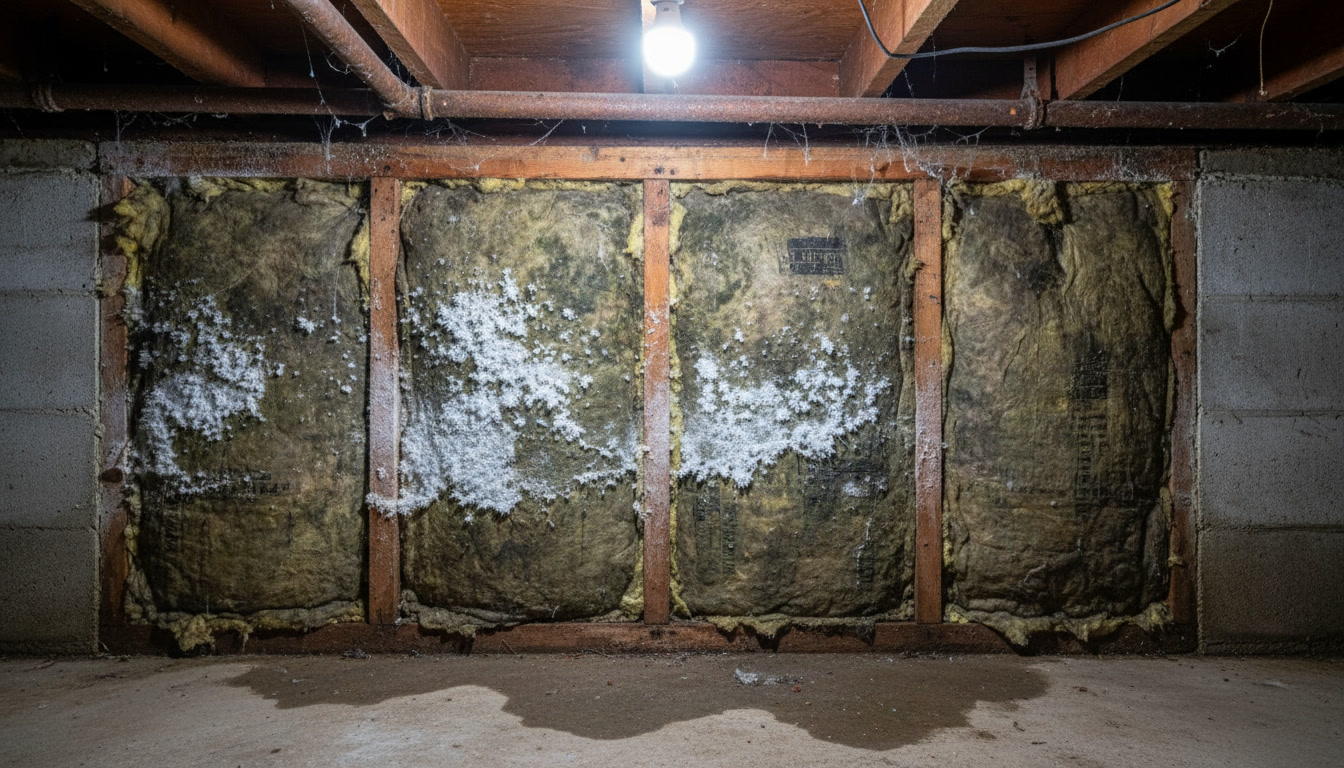
If fiberglass batts were previously installed, check whether they’ve fallen away from the surface, become compressed, or show signs of moisture damage like discoloration or sagging. Fiberglass loses virtually all insulating value when wet and rarely dries properly in a basement environment.
Higher Than Expected Energy Bills
When your heating system runs constantly but your home never feels truly comfortable, poor basement insulation is often the culprit. The rim joist creates a thermal bypass that allows heated air to escape and cold air to infiltrate continuously.
Compare your energy bills to similar homes in your area or track your usage over several winters. A sudden increase without changes in occupancy or equipment often points to insulation failure. Professional insulation contractors can perform blower door tests to quantify exactly how much air leaks through your rim joist area.
Condensation, Frost, or Mold Growth in Middletown Basements
Connecticut winters create ideal conditions for condensation problems when warm indoor air contacts cold rim joist surfaces. You might see frost buildup on the inside of the rim joist during extremely cold weather, or notice moisture staining on the wood after the frost melts.
This repeated freeze-thaw cycle leads to mold growth, wood rot, and structural damage over time. Black or green discoloration on rim joist lumber indicates active mold colonies feeding on moisture. The problem becomes more severe when basement humidity levels remain elevated throughout the year.
If you’ve noticed similar moisture issues elsewhere in your basement, you might benefit from reading about basement wall insulation solutions that address the broader envelope.
Pest Entry Points and Insect Activity
Gaps in rim joist areas provide convenient entry points for mice, insects, and other pests. Mice can squeeze through openings as small as a quarter inch, and the junction between foundation and framing often has multiple penetrations for utilities.
If you find mouse droppings near your basement walls, see spiders or insects congregating in rim joist areas, or hear scratching sounds inside wall cavities, inadequate sealing is likely contributing. Proper insulation with spray foam or rigid foam boards seals these gaps while improving energy performance.
Ice Dams on Your Roof Edge
While ice dams primarily result from attic heat loss, rim joist air leakage contributes to the problem. Warm air escaping through the rim joist and up through wall cavities can reach the roof deck, melting snow that refreezes at the cold eaves.
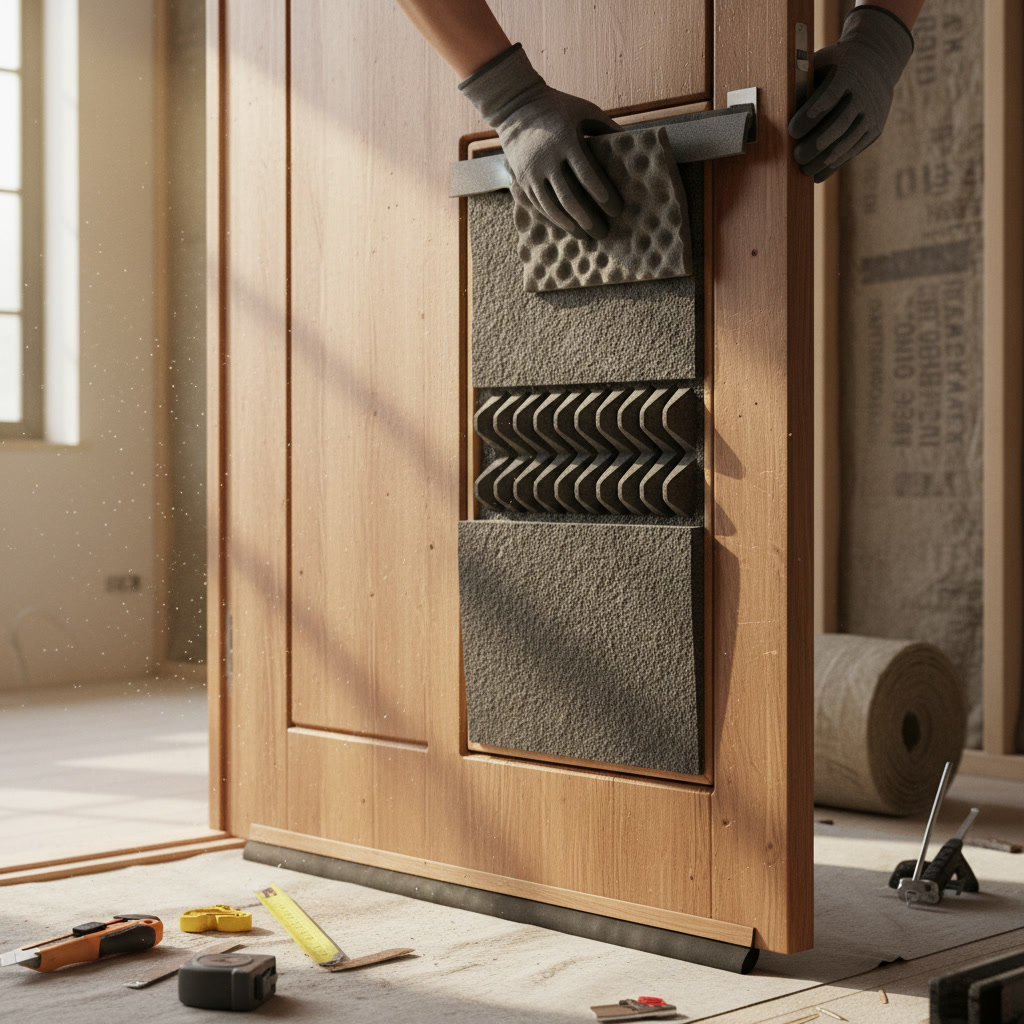
If your home develops ice dams every winter despite adequate attic insulation, air sealing the rim joist should be part of your solution. Combined with proper door insulation and window insulation, sealing the basement envelope creates a complete thermal barrier.
How to Inspect Your Rim Joist Area
Start by identifying the rim joist location. Stand in your basement and look at the top of the foundation wall where it meets the wooden floor framing above. The rim joist is the vertical board that sits on the foundation and closes off the joist bays.
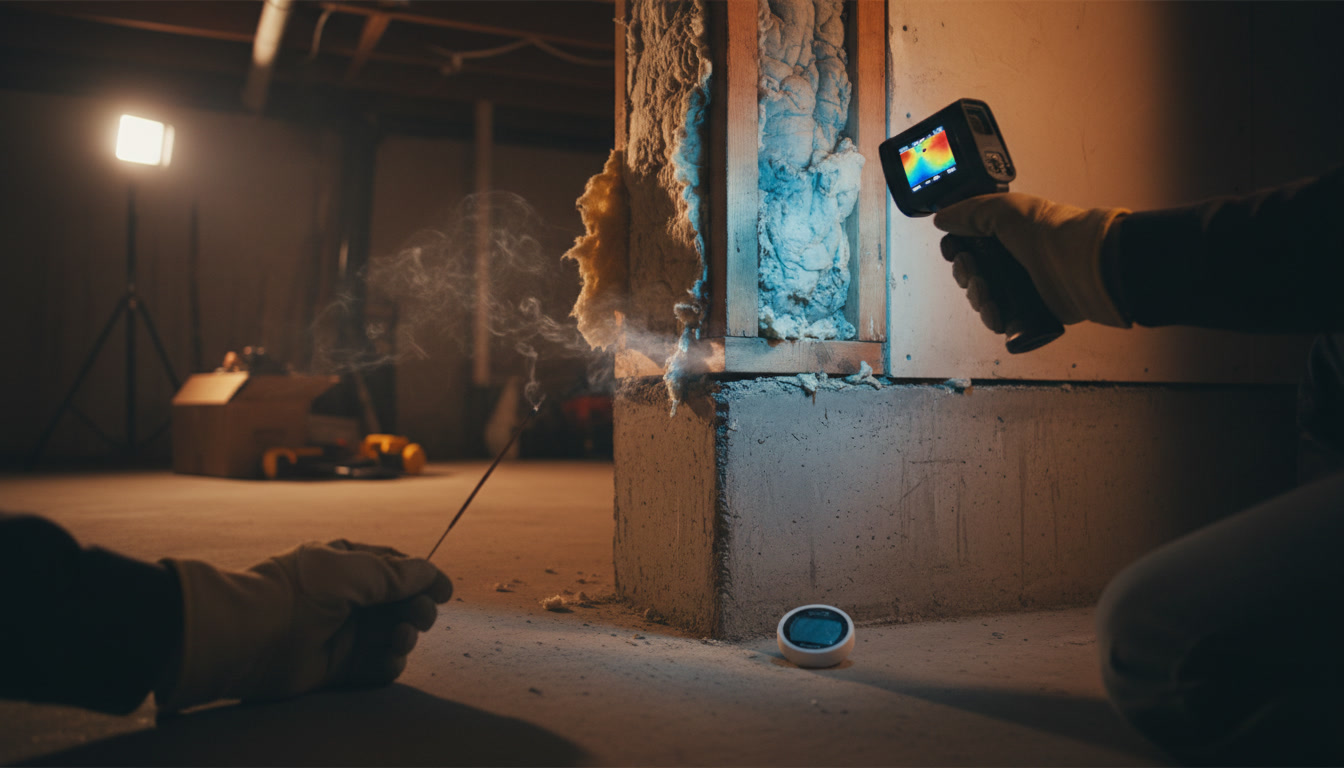
Use a flashlight to examine the entire perimeter. Pay special attention to corners, areas around basement windows, and spots where utilities enter the home. Press your hand against any existing insulation to check for firmness and look for gaps at the edges.
On a cold day, use an infrared thermometer to measure surface temperatures. The rim joist area should be close to your basement temperature. Readings within 10 degrees of outdoor temperature indicate severe insulation failure.
Professional Solutions vs DIY Approaches
Homeowners can tackle rim joist insulation with rigid foam boards cut to fit between joists and sealed with spray foam around the edges. This approach requires careful measurement, proper ventilation when using foam products, and attention to fire code requirements for foam insulation exposure.
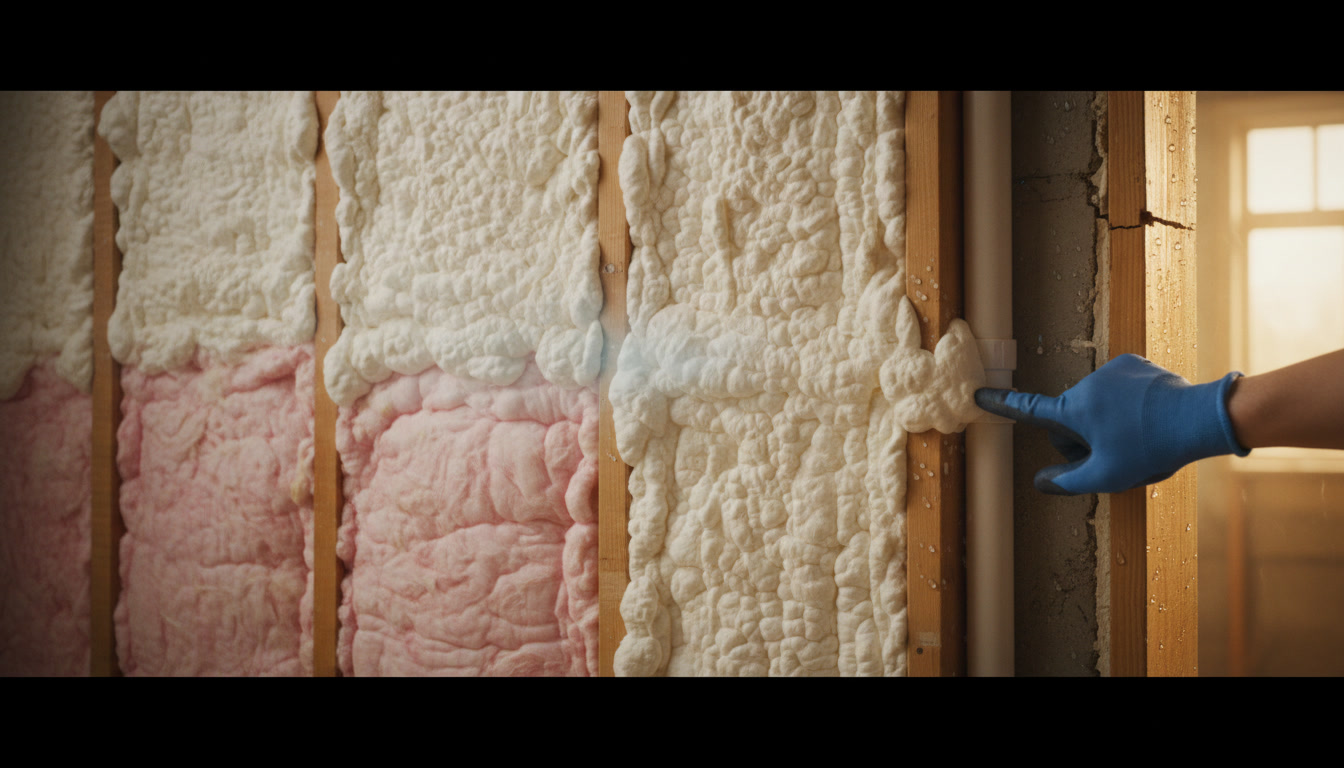
Professional installation typically uses closed-cell spray foam applied directly to the rim joist, creating both an air barrier and insulation in one step. This method achieves R-values of 6 to 7 per inch and completely seals all gaps and penetrations. Contractors can also address any existing moisture damage or pest entry points before insulating.
The cost difference between DIY and professional work narrows when you factor in equipment rental, materials waste, and the time required to properly seal each joist bay. Many homeowners find that understanding insulation pricing in Connecticut helps them make an informed decision about which approach fits their budget.
Long-Term Benefits of Proper Rim Joist Sealing
Properly insulated rim joists deliver immediate comfort improvements and energy savings that compound over decades. Most homeowners notice reduced drafts within hours of installation and see heating cost reductions of 10 to 20% in the first winter.
Beyond energy savings, proper insulation protects your home’s structure from moisture damage that leads to expensive repairs. Preventing condensation stops mold growth, preserves wood integrity, and improves indoor air quality throughout your home.
The investment typically pays for itself within three to seven years through energy savings alone, while the comfort and health benefits begin immediately. Sealed rim joists also reduce noise transmission from outside and eliminate the musty odors that often plague basements with air leakage problems.
Protecting Your Home’s Thermal Envelope
Addressing rim joist insulation is rarely a standalone project. The best results come from treating your basement as part of a complete building envelope that includes all the points where conditioned space meets unconditioned areas.
Once your rim joists are properly sealed, consider whether your basement walls need insulation, if your basement windows leak air, or whether gaps around your basement door allow drafts. Each improvement builds on the others to create a truly energy-efficient home.
Top Notch Home Solution LLC has helped countless homeowners in Cromwell and throughout central Connecticut identify and fix rim joist problems that were driving up energy bills and causing comfort issues. With 19 years of experience in residential insulation, the team understands how Connecticut’s climate challenges basement insulation and knows which solutions deliver lasting results.
If you’ve noticed any of the warning signs discussed above, a professional assessment can identify exactly where your home is losing energy and what solutions will deliver the best return on investment. Call +18607068116 to schedule your free estimate and learn how proper rim joist insulation can transform your basement comfort and reduce your monthly energy costs.