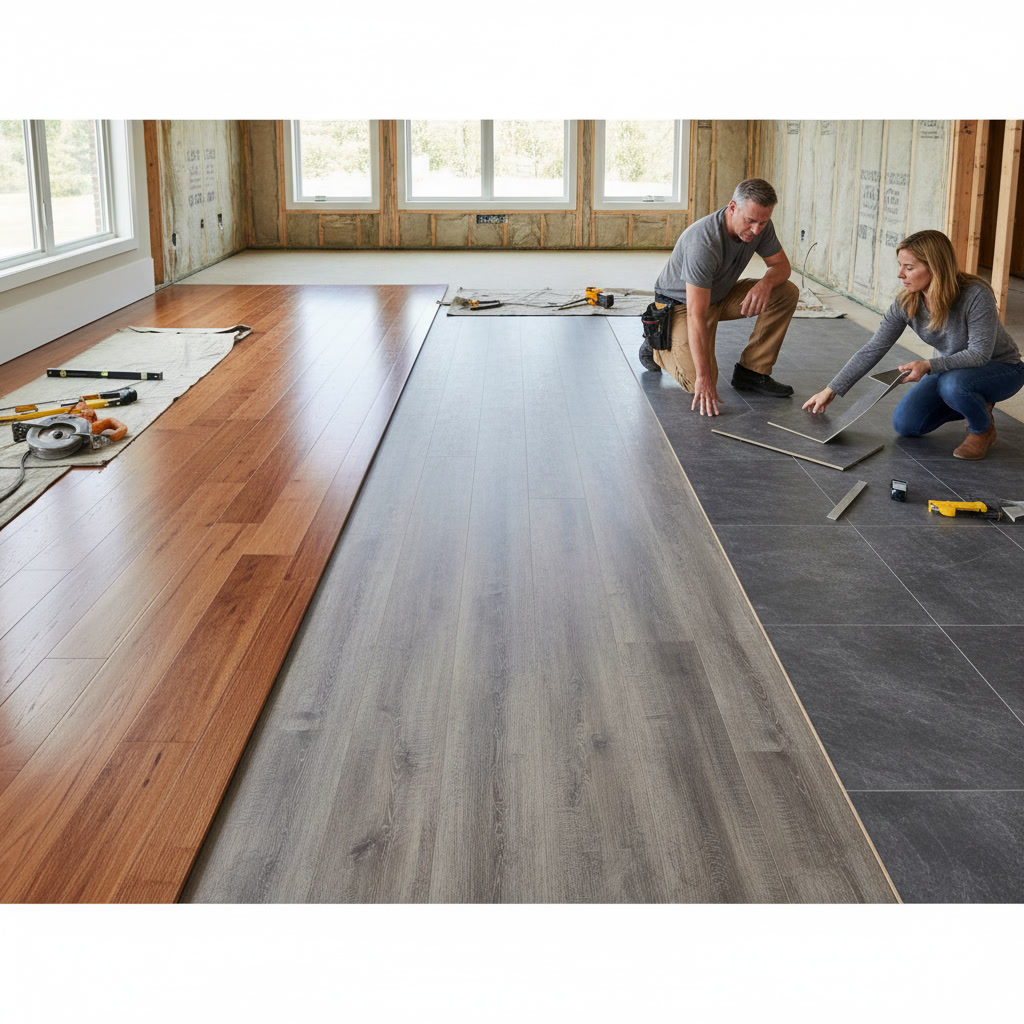
Choosing the right flooring for your Rocky Hill home can feel overwhelming when you’re weighing hardwood vs laminate vinyl options. Each material brings distinct advantages and trade-offs that directly impact your budget, lifestyle, and home value. This guide breaks down the critical differences between these three popular flooring types so you can make a confident decision for your space.
Rocky Hill homeowners face unique considerations, from fluctuating Connecticut humidity levels to varying room functions. Understanding how hardwood, laminate, and vinyl perform under real-world conditions will help you select flooring that looks great and lasts for years.
Understanding Your Three Main Flooring Options
Before diving into specific comparisons, it’s essential to understand what each flooring type actually is. The hardwood vs laminate vinyl debate becomes clearer when you know what you’re working with.
Hardwood flooring consists of solid wood planks milled from a single piece of timber. Species like oak, maple, cherry, and walnut offer distinct grain patterns and color variations. These planks typically measure 0.75 inches thick and can be sanded and refinished multiple times over their lifespan.
Laminate flooring is a synthetic product with a photographic layer that mimics wood, stone, or tile. It features a dense fiberboard core with a protective wear layer on top. The image layer sits beneath a clear protective coating, and the entire plank typically measures 8 to 12 millimeters thick.
Vinyl flooring comes in two main forms: luxury vinyl plank (LVP) and luxury vinyl tile (LVT). These products use multiple layers of PVC and other materials with a printed design layer. Modern vinyl flooring ranges from 2 to 8 millimeters thick and can convincingly replicate wood or stone appearances.
Cost Comparison for Rocky Hill Installations
Budget often drives the final decision when comparing flooring options. The initial investment varies significantly across these three materials, and long-term costs tell an even more complex story.
Material and Installation Costs
Hardwood flooring represents the highest upfront investment. Expect to pay between $6 and $12 per square foot for materials, with installation adding another $4 to $8 per square foot. Premium species like Brazilian cherry or walnut can push material costs above $15 per square foot. For a typical 500-square-foot room, you’re looking at $5,000 to $10,000 total.
Laminate flooring offers substantial savings, with materials ranging from $1 to $5 per square foot. Installation costs run $2 to $5 per square foot because the click-lock systems install faster than hardwood. That same 500-square-foot room might cost $1,500 to $5,000 installed.
Vinyl flooring falls in the middle for quality products. Basic sheet vinyl starts around $0.50 per square foot, but luxury vinyl plank typically costs $2 to $7 per square foot for materials. Installation runs $1.50 to $5 per square foot. Budget $1,750 to $6,000 for that 500-square-foot space with quality LVP.
Long-Term Value Considerations
Hardwood flooring adds measurable resale value to Rocky Hill homes. Real estate professionals consistently report that quality hardwood floors help homes sell faster and for higher prices. You can refinish hardwood floors five to seven times over their lifespan, potentially giving you 100 years of use from a single installation.
Laminate and vinyl don’t significantly increase home value, though they won’t hurt it either when in good condition. These materials can’t be refinished, so they’ll need complete replacement after 10 to 25 years depending on quality and traffic.
Pro Tip: If you’re planning to sell your Rocky Hill home within five years, hardwood flooring in main living areas typically returns 70 to 80 percent of your investment. Laminate and vinyl won’t add value but can help your home show well if current floors are damaged.
Durability and Performance in Connecticut Homes
Rocky Hill’s four-season climate presents specific challenges for flooring materials. Temperature swings, humidity changes, and the wear patterns of daily life affect each option differently.
Water Resistance and Moisture Handling
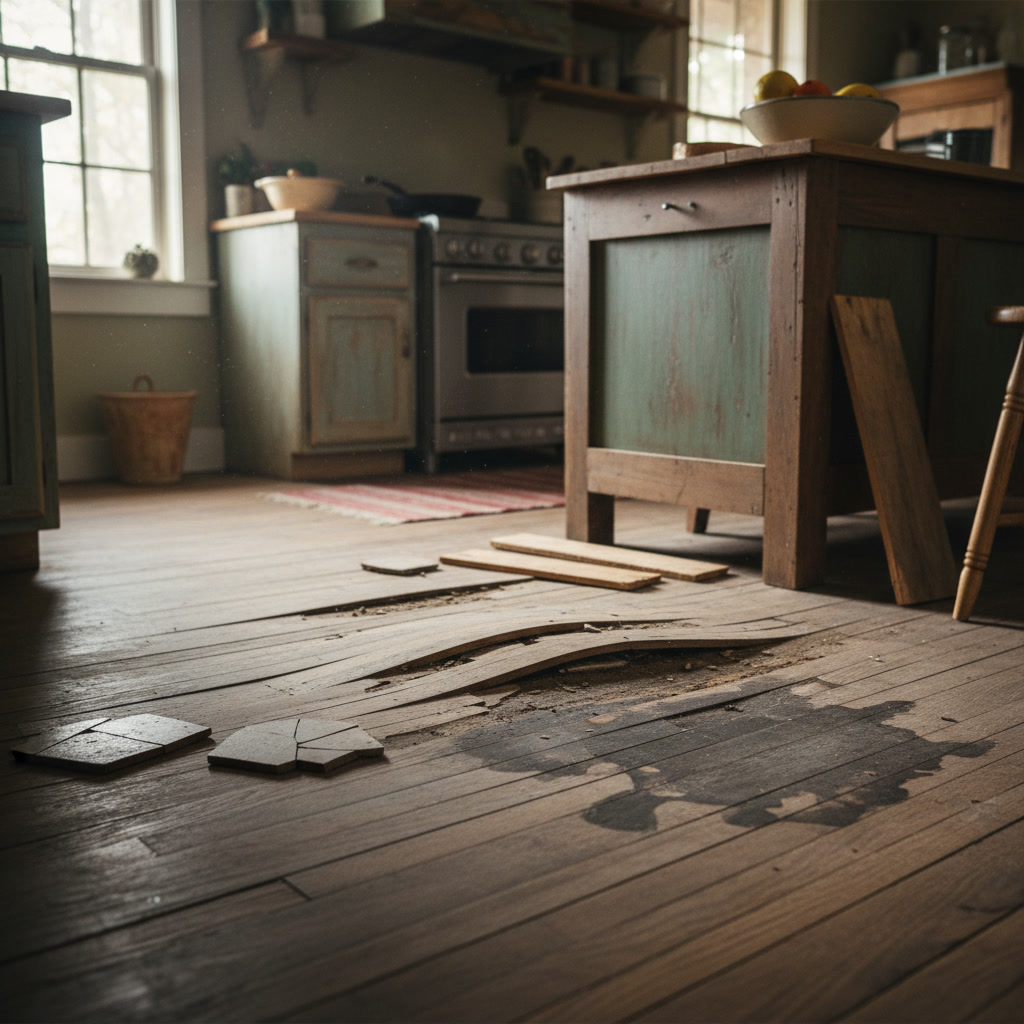
Hardwood flooring remains vulnerable to water damage. Spills that sit for more than a few minutes can leave stains or cause warping. Humidity fluctuations make solid hardwood expand and contract, which can lead to gaps in winter and cupping in humid summers. Engineered hardwood handles moisture slightly better than solid wood but still shouldn’t be installed in bathrooms or laundry rooms.
Laminate flooring has a fiberboard core that swells when wet. While surface spills wipe away easily, water that seeps into seams causes permanent damage. Never install standard laminate in full bathrooms. Some manufacturers now offer water-resistant laminate with treated cores, but it still can’t match vinyl’s waterproof properties.
Vinyl flooring is completely waterproof when properly installed. LVP and LVT work perfectly in kitchens, bathrooms, basements, and laundry rooms. Connecticut homeowners particularly appreciate this feature during muddy spring months and snowy winters when moisture tracking is inevitable.
Scratch and Dent Resistance
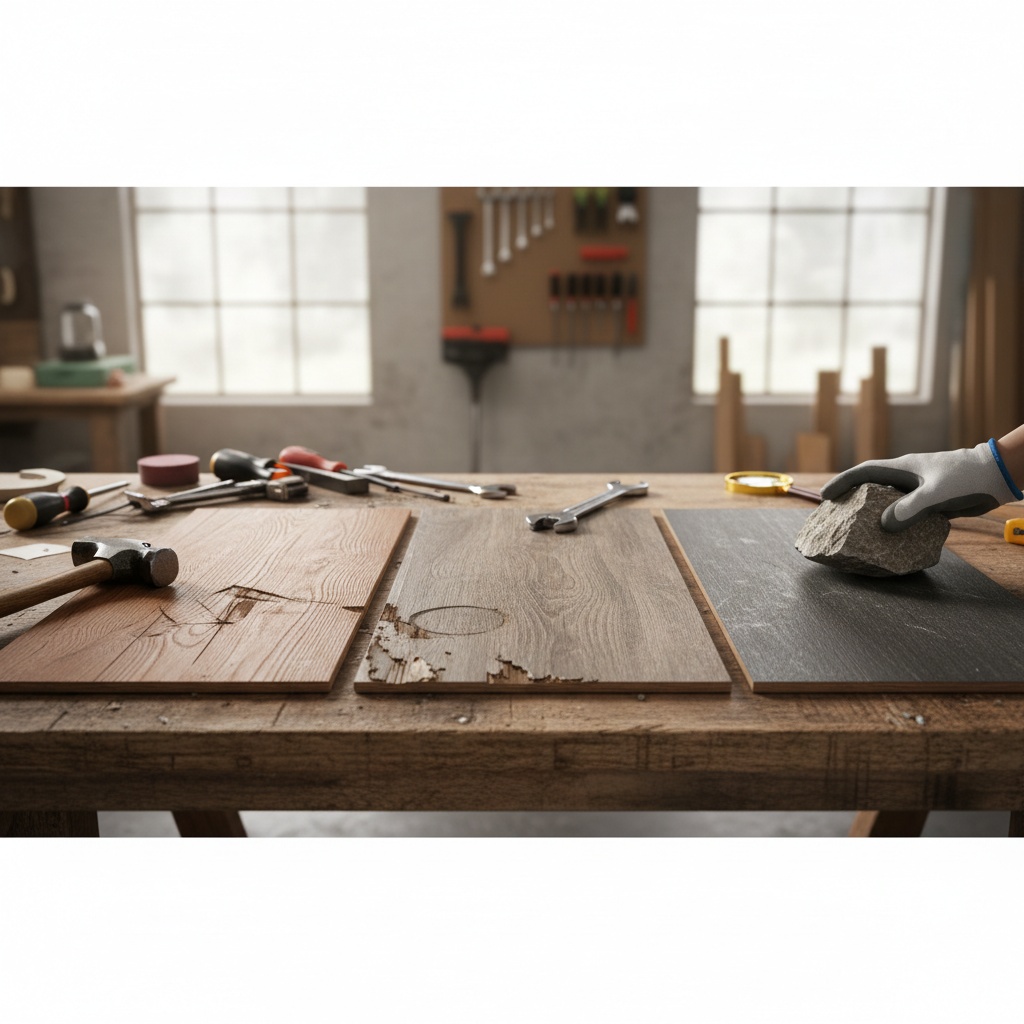
Hardwood scratches and dents under normal use, especially softer species like pine or fir. Harder woods like oak and maple resist surface damage better, but even these show wear in high-traffic areas. The upside is that you can sand out scratches and refinish the entire floor to look brand new.
Laminate flooring resists scratches better than hardwood thanks to its aluminum oxide wear layer. However, when damage does occur, you can’t repair it. Deep scratches that penetrate the wear layer expose the photographic image beneath, creating permanent flaws. Dents are rare because the dense fiberboard core resists compression.
Vinyl flooring offers excellent scratch resistance, especially products with 12-mil or thicker wear layers. The flexible nature of vinyl means it resists denting from dropped objects. Heavy furniture can leave permanent indentations if left in one spot for years, but the material bounces back from most impacts.
Installation Requirements and Timelines
The complexity of installation affects both your project timeline and total cost. Some flooring types require extensive prep work or specialized conditions.
Hardwood installation demands a clean, level subfloor and specific moisture conditions. Installers typically nail or staple solid hardwood to a wooden subfloor, though floating engineered hardwood installs faster. The wood needs to acclimate in your home for three to five days before installation. Plan on three to five days for professional installation in a 1,500-square-foot area, plus additional time for finishing if you choose unfinished planks.
Laminate flooring installs quickly thanks to click-lock systems. Most products float over underlayment rather than attaching to the subfloor. Your subfloor needs to be level within 3/16 inch over 10 feet. A professional crew can typically install 1,500 square feet in one to two days. Some experienced DIYers successfully install laminate themselves, though manufacturers may void warranties on improper installations.
Vinyl flooring installation varies by product type. Click-lock LVP floats like laminate and installs just as quickly. Glue-down vinyl requires more time and skill but creates a more permanent bond. WPC (wood-plastic composite) and SPC (stone-plastic composite) vinyl cores are more forgiving of minor subfloor imperfections than laminate. Professional installation of 1,500 square feet typically takes one to three days depending on the method.
If you need help with your flooring installation, Top Notch Home Solution LLC brings 19 years of experience to every project in Rocky Hill and throughout central Connecticut.
Maintenance and Cleaning Requirements
Daily maintenance differs significantly across these three flooring types. Your willingness to perform regular upkeep should influence your decision.
Daily and Weekly Care
Hardwood floors require the most careful maintenance. Sweep or vacuum daily to prevent grit from scratching the finish. Use only cleaners specifically formulated for hardwood, and keep the mop damp rather than wet. Avoid steam mops entirely. You’ll need to refinish hardwood every 7 to 10 years in high-traffic areas, which costs $3 to $5 per square foot but restores the floor completely.
Laminate flooring handles routine cleaning easily. Sweep, vacuum, or use a microfiber mop daily. Most spills wipe up without issue if addressed quickly. Avoid excessive water and never use a steam mop, as heat and moisture can separate the layers. The wear layer prevents staining from most household substances.
Vinyl flooring requires the least maintenance of all three options. Sweep or vacuum regularly and mop with any pH-neutral cleaner. Vinyl handles wet mopping without damage, and you can safely use steam mops on most luxury vinyl products. The material resists staining from nearly everything except permanent markers and certain dyes.
Long-Term Maintenance
Hardwood demands periodic refinishing but rewards you with decades of renewed beauty. Between refinishing, you might need to address individual scratches or apply fresh coats of polyurethane in doorways and other worn spots.
Laminate and vinyl require no refinishing, but damaged planks or tiles need replacement. Installing new laminate sections years later presents challenges because product lines get discontinued and colors change. Keep several extra boxes from your original installation for future repairs.
Key Takeaway: If your lifestyle includes large dogs, active children, or frequent entertaining, vinyl flooring offers the lowest-maintenance solution. If you prefer traditional aesthetics and don’t mind periodic refinishing, hardwood rewards your effort with timeless appeal.
Aesthetics and Design Flexibility
The visual impact of your flooring choice shapes your entire interior design. Each material offers different aesthetic qualities and design possibilities.
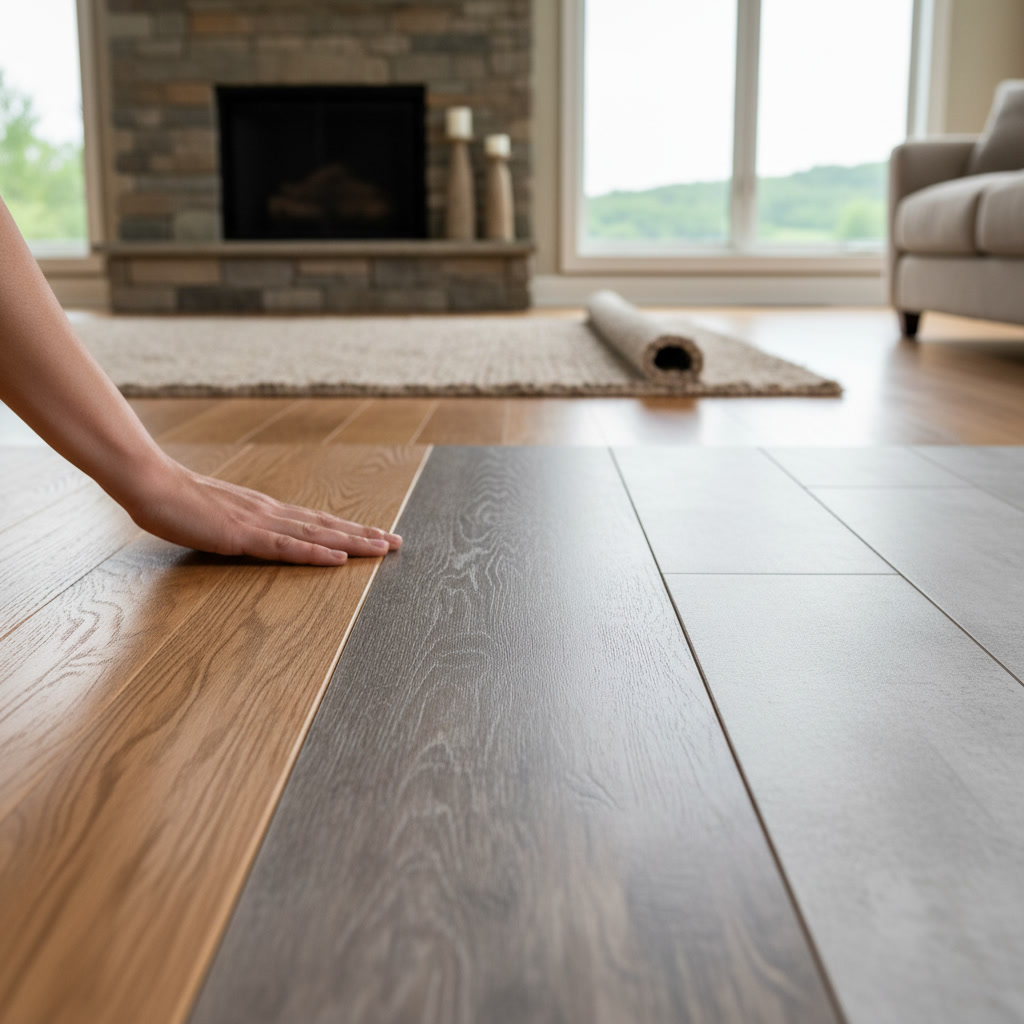
Hardwood flooring provides authentic beauty that improves with age. Each plank displays unique grain patterns, color variations, and character marks. You can choose from dozens of species, various plank widths, and multiple finish options. Hardwood works with virtually any design style, from traditional colonial to contemporary minimalist. The natural material feels warm underfoot and creates subtle acoustics that many homeowners prefer.
Laminate flooring has improved dramatically in appearance over the past decade. High-quality products feature embossed textures that follow the wood grain pattern in the photographic layer. However, repetitive patterns reveal the artificial nature of laminate when you look closely. Most manufacturers offer 20 to 50 different styles, covering common wood looks and some stone or tile designs.
Vinyl flooring now offers the most design variety. Manufacturers can print any image onto the design layer, creating convincing replicas of exotic hardwoods, reclaimed barn wood, concrete, marble, and countless other surfaces. Embossing technology adds realistic texture. Plank sizes range from narrow strips mimicking traditional hardwood to wide planks with long lengths. Some homeowners struggle to distinguish high-end LVP from real hardwood at first glance.
Coordinating your flooring with other home improvements creates a cohesive look. If you’re also updating your walls, professional painting services can help tie your new floors into a complete room transformation.
Environmental and Health Considerations
Homeowners increasingly consider the environmental impact and indoor air quality effects of building materials. The hardwood vs laminate vinyl comparison includes important sustainability factors.
Hardwood flooring comes from a renewable resource when sourced responsibly. Look for FSC (Forest Stewardship Council) certification to ensure sustainable forestry practices. Solid hardwood contains no synthetic chemicals or binders, making it the most natural option. However, finishing products may emit VOCs (volatile organic compounds) during and shortly after installation. Water-based finishes minimize these emissions.
Laminate flooring raises environmental concerns due to its fiberboard core and the adhesives binding the layers. Some products have tested positive for formaldehyde emissions, though CARB2 (California Air Resources Board Phase 2) certified products meet strict emission standards. Laminate isn’t biodegradable and presents recycling challenges. The manufacturing process consumes significant energy.
Vinyl flooring contains PVC (polyvinyl chloride), which raises sustainability questions. Manufacturing vinyl produces more emissions than wood processing. However, vinyl’s durability means less frequent replacement, potentially offsetting some environmental costs. FloorScore and GreenGuard certifications indicate products that meet strict indoor air quality standards. Some manufacturers now produce vinyl from recycled content and offer take-back recycling programs.
Proper insulation in your Rocky Hill home complements any flooring choice by improving comfort and energy efficiency. If you’re concerned about heat loss through your floors, especially over uninsulated basements or crawl spaces, consider consulting an experienced insulation contractor before installing new flooring.
Best Applications for Each Flooring Type
Understanding where each material performs best helps you make strategic choices throughout your home. You don’t need to use the same flooring everywhere.
Hardwood Excels In
Living rooms, dining rooms, bedrooms, and hallways showcase hardwood beautifully. These spaces benefit from hardwood’s aesthetic appeal and durability. Avoid hardwood in full bathrooms, laundry rooms, and mudrooms where water exposure is frequent. Basement installations present humidity challenges unless you control moisture carefully.
Laminate Works Well In
Bedrooms, living areas, and dining rooms suit laminate nicely when budget constraints matter most. Laminate handles moderate traffic well and resists scratches from pets. Skip laminate in bathrooms, kitchens, and entryways where water exposure is likely. The material also underperforms in basements where moisture and humidity fluctuate.
Vinyl Performs Best In
Kitchens, bathrooms, laundry rooms, basements, and mudrooms benefit most from vinyl’s waterproof properties. However, don’t limit vinyl to utility spaces. High-end LVP looks beautiful in living rooms, bedrooms, and throughout open-concept homes. Vinyl handles pet traffic, active families, and real-world mess better than the alternatives. It’s also the best choice over concrete slabs or radiant floor heating systems.
Making Your Decision
The right choice depends on your specific circumstances, priorities, and budget. Consider these deciding factors as you finalize your flooring selection.
Choose hardwood if you plan to stay in your home long-term, want maximum resale value, prefer authentic natural materials, and can manage regular maintenance. Hardwood makes sense when you’re willing to invest more upfront for a floor that lasts generations. Rocky Hill’s established neighborhoods often feature hardwood that adds to the historic character.
Choose laminate if you need the look of wood at the lowest possible price, don’t plan to stay in your home more than 10 years, want easier DIY installation, and will avoid water-prone areas. Laminate works well for cosmetic updates before selling or for bedrooms in homes where main areas already have quality flooring.
Choose vinyl if you need waterproof flooring, have active pets or children, want minimal maintenance, are installing over concrete or existing flooring, or need basement flooring. Vinyl makes sense when practicality matters more than prestige and when you want flooring that handles real life without constant worry.
Many Rocky Hill homeowners combine flooring types strategically, using hardwood in formal areas and vinyl in kitchens and bathrooms. This approach balances aesthetics, performance, and budget effectively.
If you’re unsure which option suits your specific situation, local expertise helps. Contractors familiar with Connecticut homes understand how our climate affects flooring performance and can recommend solutions based on your home’s construction. Homeowners in nearby communities face similar decisions, whether you’re in Wethersfield or Newington.
Frequently Asked Questions
Can you install vinyl or laminate flooring over existing hardwood?
Yes, you can install both laminate and vinyl over existing hardwood if the surface is level and in good condition. However, this covers valuable hardwood that could potentially be refinished instead. Have a flooring professional assess whether refinishing your hardwood makes more financial sense before covering it permanently.
How do hardwood, laminate, and vinyl compare for resale value?
Hardwood flooring adds measurable resale value and appeals strongly to homebuyers. Laminate and vinyl in good condition won’t hurt resale value but typically don’t increase it either. High-end luxury vinyl comes closest to hardwood in buyer appeal, especially in moisture-prone areas where hardwood wouldn’t be appropriate anyway.
Which flooring type works best with underfloor heating systems?
Vinyl and laminate both work well with radiant floor heating, with vinyl performing slightly better due to superior heat transfer. Engineered hardwood can work with radiant systems if specifically rated for that application, but solid hardwood is not recommended because temperature fluctuations cause excessive expansion and contraction that leads to gaps and warping.
How long does each flooring type typically last in a busy household?
Hardwood can last 100 years or more with proper maintenance and periodic refinishing. Quality laminate typically lasts 15 to 25 years before needing replacement. High-quality vinyl flooring lasts 20 to 30 years in residential applications. Actual lifespan depends heavily on traffic levels, maintenance practices, and initial product quality.
Are there financing options available for flooring installation projects?
Many flooring contractors and home improvement companies offer financing plans that spread the cost over several months or years. Some homeowners use home equity lines of credit for larger projects. Discuss payment options during your initial consultation to find a solution that fits your budget while allowing you to choose the flooring that best meets your needs.
Professional Flooring Installation in Rocky Hill
Selecting between hardwood vs laminate vinyl flooring requires balancing appearance, durability, maintenance, and budget. Each material offers distinct advantages depending on your specific needs and circumstances. Hardwood provides timeless beauty and long-term value, laminate delivers wood aesthetics at an accessible price point, and vinyl offers unmatched practicality and water resistance.
Top Notch Home Solution LLC has served Rocky Hill and central Connecticut communities for years with expert flooring installation and comprehensive home improvement services. Our family-owned company brings 19 years of experience to every project, ensuring careful workmanship and results that exceed expectations.
Whether you’ve decided on hardwood, laminate, or vinyl, or you need professional guidance to make the right choice for your home, our team is ready to help. Contact Top Notch Home Solution LLC at +18607068116 for your free estimate and discover why Rocky Hill homeowners trust us for top-notch results every time.