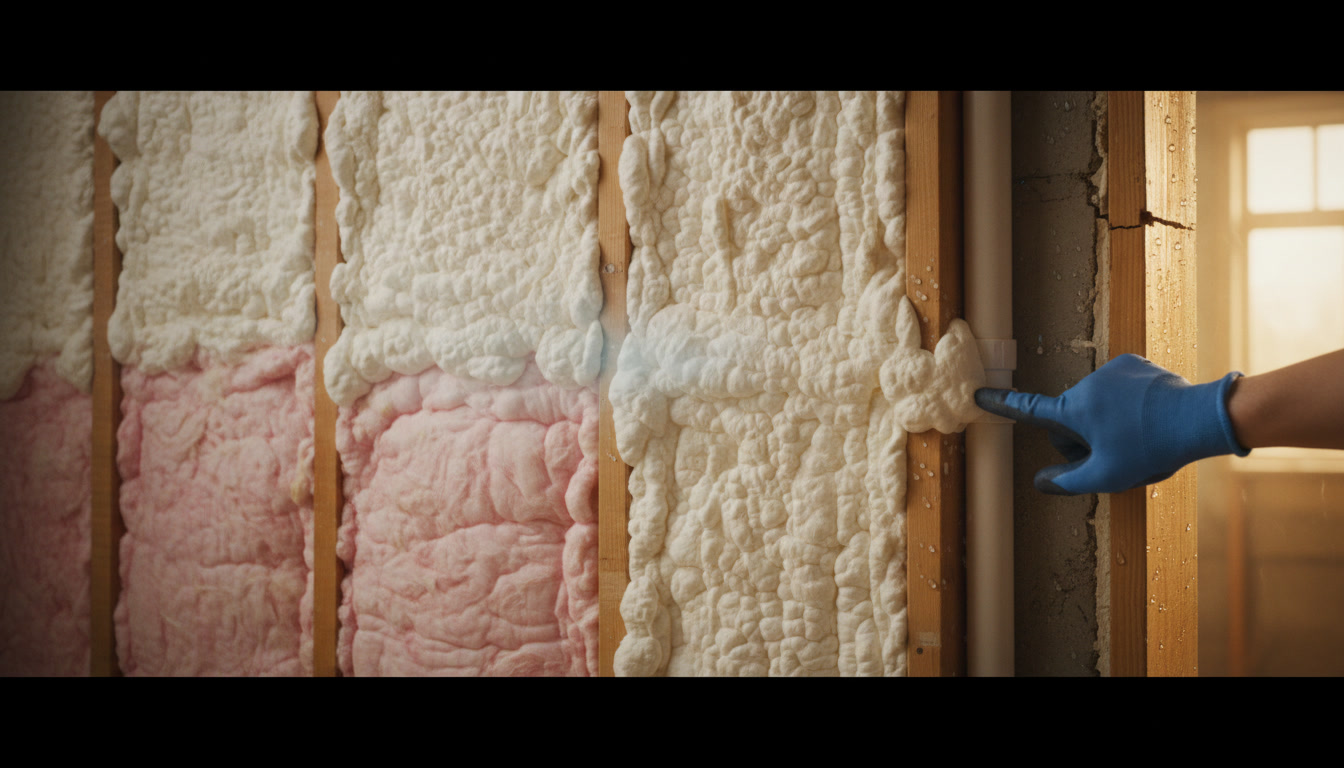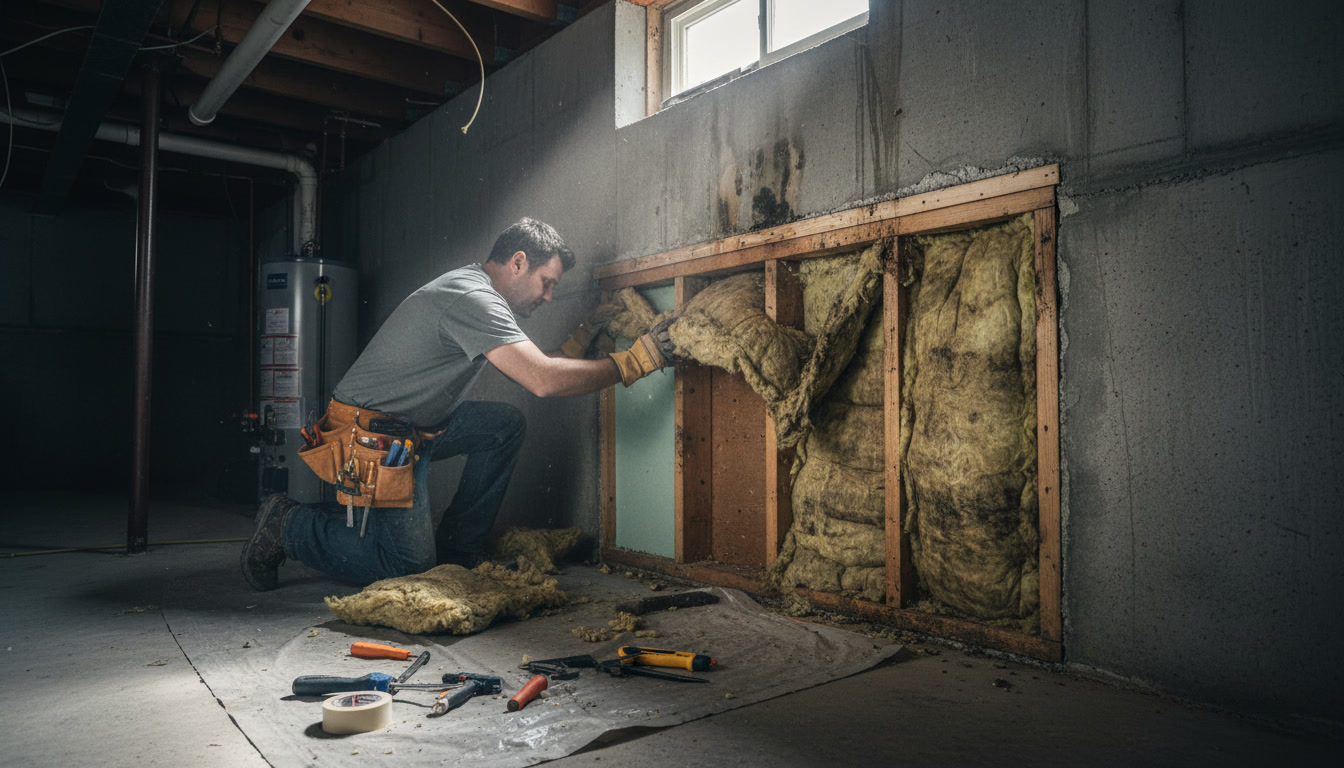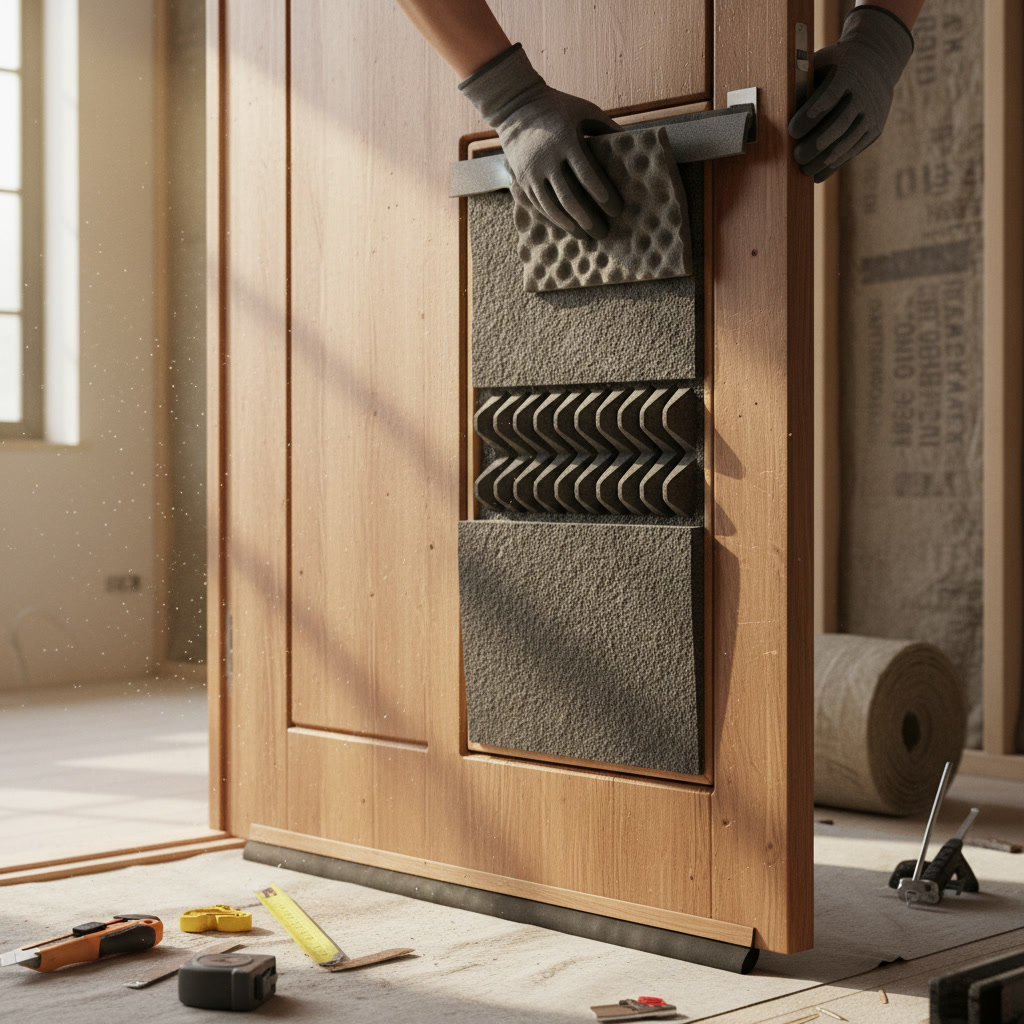
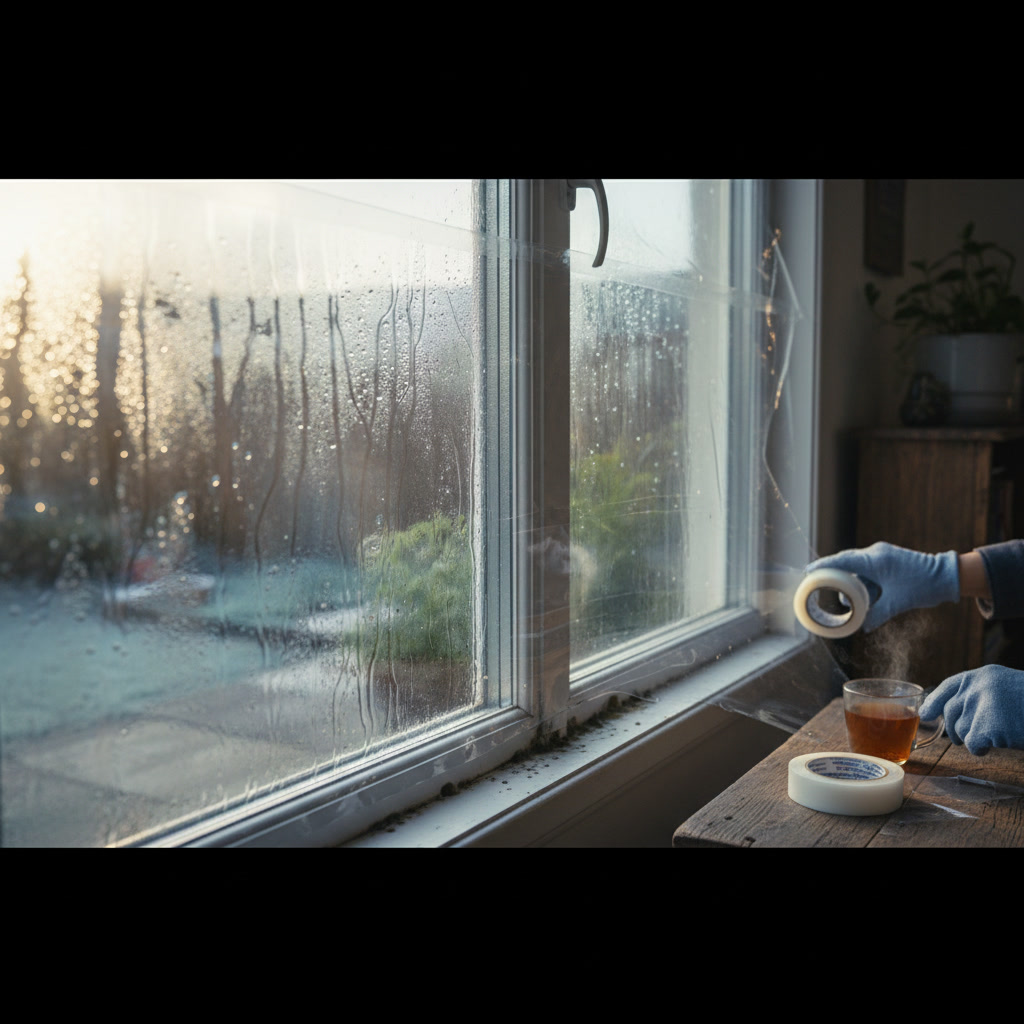
Window insulation condensation occurs when warm, moist indoor air meets cold window surfaces, creating water droplets that pool on sills and frames. Proper window insulation eliminates this temperature differential by creating a thermal barrier that keeps interior glass surfaces warmer, preventing moisture from condensing. This protection is essential for preventing mold growth, wood rot, and structural damage that develops when condensation becomes a chronic problem.
Why Windows Develop Condensation Problems
Your windows act as one of the weakest thermal links in your home’s building envelope. When outdoor temperatures drop during Connecticut winters, uninsulated or poorly insulated windows become significantly colder than the surrounding air inside your home. This temperature difference creates the perfect conditions for condensation.
Indoor humidity from cooking, showering, and even breathing adds moisture to the air continuously. When this humid air contacts a cold window surface, it cools rapidly and loses its ability to hold moisture. The result is visible water droplets that form on glass, frames, and sills. Over time, this moisture seeps into wood components, creating an ideal environment for mold spores to germinate and spread.
The Hidden Cost of Persistent Window Moisture
Many homeowners dismiss window condensation as a minor inconvenience, but the long-term consequences extend far beyond foggy glass. Persistent moisture creates multiple problems that compound over time.
Wood window frames and sills exposed to regular moisture will eventually rot, requiring expensive replacement. Paint and finishes deteriorate rapidly when subjected to constant wet-dry cycles. Metal frames develop rust and corrosion. The drywall and insulation surrounding window openings absorb moisture, losing their thermal performance and structural integrity.
Most concerning is the mold growth that begins within 24 to 48 hours of sustained moisture exposure. Black mold, mildew, and other fungal species release spores into your indoor air, potentially triggering allergies, respiratory problems, and other health issues. Professional mold remediation can cost thousands of dollars, making prevention through proper insulation a far more economical approach.
How Professional Window Insulation in Middletown Stops Condensation
Effective window insulation addresses condensation by raising the interior surface temperature of your windows and frames. When the glass and frame surfaces stay warmer, they remain above the dew point temperature at which moisture condenses from the air.
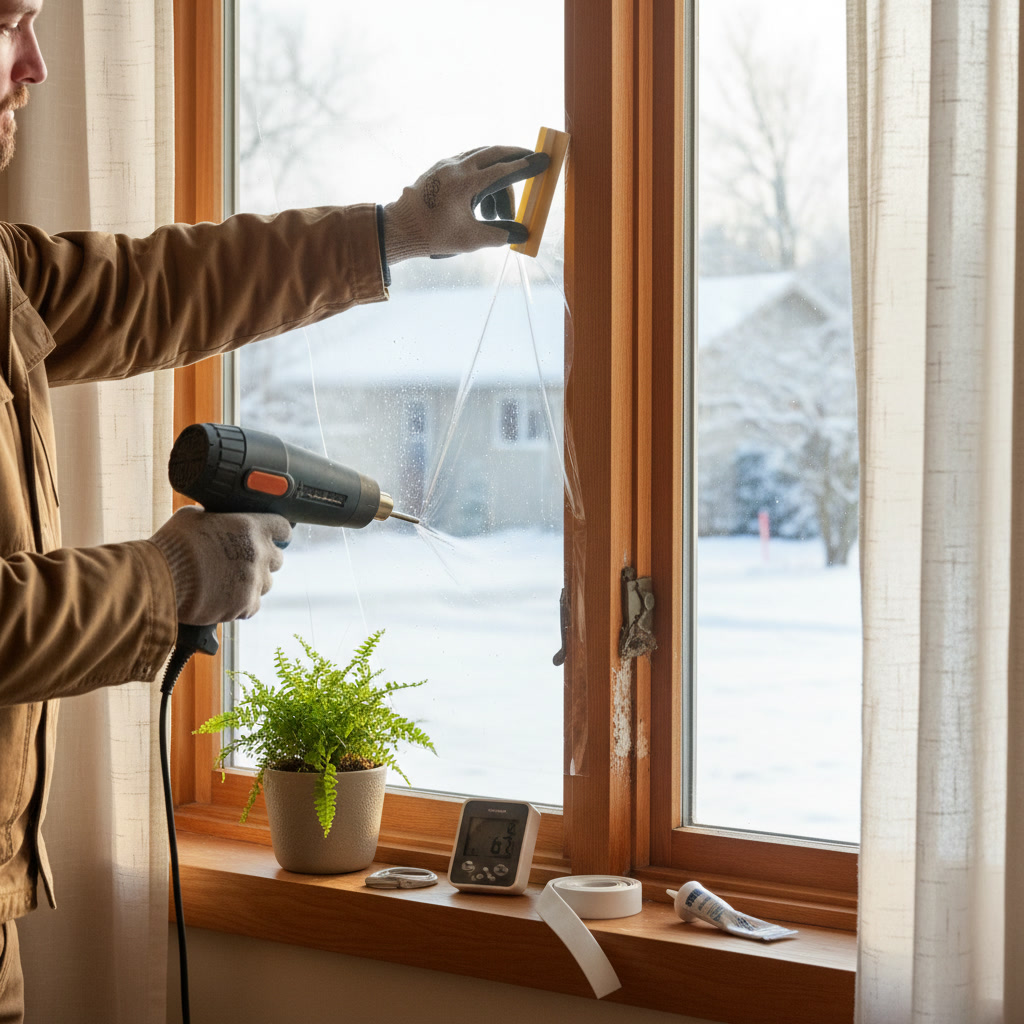
Professional insulation contractors use several proven techniques. Cellular shades with honeycomb construction trap air in pockets, creating an insulating buffer between room air and cold glass. Window film applications add a thin insulating layer directly to the glass surface. Weatherstripping seals gaps around movable sashes, preventing cold air infiltration that chills the window assembly.
For severe condensation problems, secondary glazing or storm windows create an additional pane separated by an air gap, dramatically improving thermal performance. These solutions work particularly well on older single-pane windows common in Connecticut homes built before 1980.
Understanding the Science Behind Dew Point and Condensation
The dew point is the temperature at which air becomes saturated with moisture and condensation begins. This temperature varies based on the amount of moisture in the air. At 70 degrees indoor temperature with 50% relative humidity, the dew point sits around 50 degrees.
If your window surface temperature drops to 50 degrees or below, condensation will form regardless of how warm your room feels. Single-pane windows in winter can easily reach temperatures in the 30s or 40s on their interior surfaces, well below typical dew points. This explains why condensation appears even in well-heated homes.
Adding insulation raises the interior window surface temperature closer to room temperature, keeping it above the dew point threshold. Even a modest improvement of 10 to 15 degrees in surface temperature can completely eliminate condensation in most conditions.
Five Insulation Solutions Ranked by Effectiveness
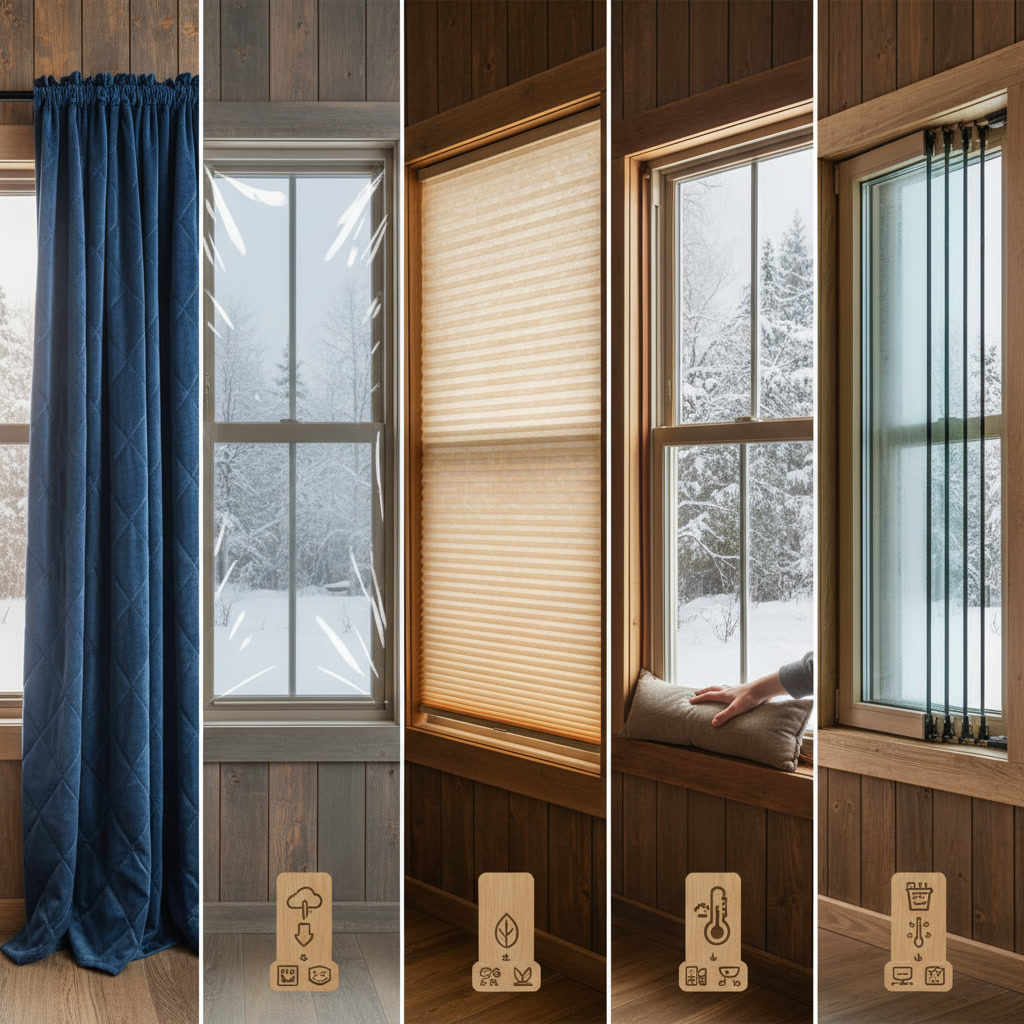
Different window insulation approaches offer varying levels of condensation control. Here are five common solutions ranked from most to least effective:
Replacement with triple-pane windows provides the highest performance, with interior glass temperatures staying within a few degrees of room temperature even in extreme cold. This option costs the most but delivers permanent results.
Secondary glazing or storm windows rank second, creating an insulated air gap while preserving existing windows. This approach costs 60% to 70% less than replacement while achieving 70% to 80% of the condensation control.
Insulating cellular shades come third, offering excellent performance when closed and affordable pricing. The limitation is they must remain closed to work, blocking natural light.
Plastic window insulation kits rank fourth. These shrink-wrap films create a temporary air gap for one season. They work reasonably well but look less attractive and require annual replacement.
Weatherstripping alone ranks fifth. While essential for stopping drafts, weatherstripping primarily prevents air infiltration rather than adding significant thermal resistance. It should be considered a supplementary measure rather than a complete solution.
The Connection Between Door and Window Insulation
Windows and doors work together as your home’s thermal envelope. Addressing only one while neglecting the other leaves vulnerabilities that allow cold air infiltration and moisture problems to persist.
Exterior doors represent another major thermal weak point where condensation can develop. Cold air leaking around door frames creates the same temperature differentials that cause window condensation. Door insulation and weatherstripping complete the moisture control strategy that window insulation begins.
Many homeowners discover that installing weatherstripping and door sweeps together with window insulation creates a synergistic effect. The combined approach raises overall indoor surface temperatures throughout the home, making condensation less likely on any surface.
How Humidity Control Complements Insulation Efforts
Even perfectly insulated windows can develop condensation if indoor humidity levels climb too high. Winter humidity should typically stay between 30% and 40% for optimal comfort and condensation prevention.
Several factors drive indoor humidity higher. Cooking releases significant moisture, especially when boiling water or using a slow cooker. Long showers and baths saturate bathroom air with water vapor that spreads throughout your home. Wet basements or crawl spaces constantly evaporate moisture into living areas. Even houseplants and aquariums contribute measurable humidity.
Use exhaust fans when cooking or bathing to vent moisture outside before it spreads. Run a dehumidifier in basements or other moisture-prone areas. Address any water intrusion or dampness issues at their source. These steps reduce the condensation load your window insulation must handle, making even modest insulation improvements highly effective.
Recognizing Early Warning Signs of Window Moisture Damage
Catching moisture problems early prevents expensive repairs and health hazards. Several warning signs indicate that window condensation has progressed beyond a temporary nuisance into active damage.
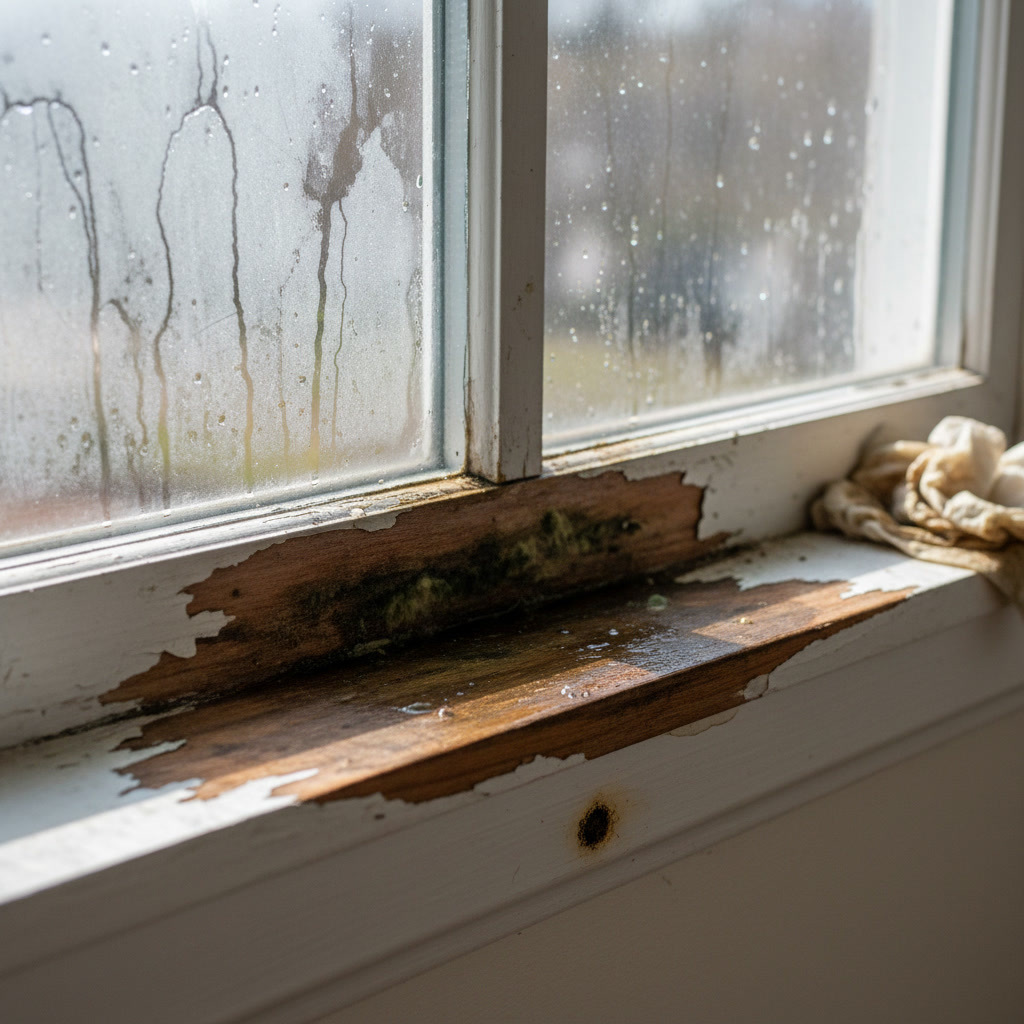
Inspect window sills and frames for soft or spongy wood that indicates rot. Look for paint that bubbles, peels, or flakes around window trim. Check for black spots or fuzzy growth on frames, sills, or adjacent walls, which signal active mold colonization. Notice any musty odors near windows, even if no visible mold appears.
Water stains on walls below windows or on the ceiling above indicate that condensation has saturated surrounding materials. Warped or buckled wood trim means moisture has penetrated deep into the material. Any of these signs warrant immediate attention from a qualified insulation contractor to prevent further damage.
Expert Installation Makes the Difference
The effectiveness of window insulation depends as much on proper installation as on the materials selected. Small gaps, compression of insulating materials, or incorrect positioning can reduce performance by 40% or more.
Professional installers understand that weatherstripping must compress uniformly around the entire perimeter to prevent air leaks. Secondary glazing requires precise measurements and careful sealing to create an effective dead air space. Insulating shades need proper brackets positioned to minimize air circulation behind the shade.
One critical detail many DIY installers miss is the importance of sealing the sides and bottom of window treatments. Heat naturally rises, so warm indoor air flows up behind an insulating shade and exits at the top unless side channels block this convection loop. This seemingly minor oversight can reduce insulation effectiveness by 30% to 40%, allowing condensation to persist despite the added insulation layer.
When to Consider Whole-Home Insulation Assessment
Window condensation sometimes indicates broader insulation deficiencies throughout your home. If multiple windows show persistent condensation, cold drafts appear near walls, or heating bills seem unusually high, your home may benefit from comprehensive insulation improvements.
Attic insulation, wall insulation, and basement or crawl space insulation work together to maintain consistent temperatures throughout your living space. Inadequate insulation in these areas forces your heating system to work harder, often resulting in higher indoor humidity as the system struggles to maintain comfort. This elevated humidity increases condensation on windows even if the windows themselves have adequate insulation.
A professional assessment identifies weak points in your thermal envelope and prioritizes improvements for maximum impact. Many homeowners discover that addressing attic insulation first reduces window condensation significantly, as better overall thermal performance lowers the temperature differential between indoor air and window surfaces.
Protecting Your Investment Through Preventive Maintenance
Once you’ve invested in proper window insulation, simple maintenance steps ensure long-term performance and condensation control. These tasks require minimal time but prevent insulation degradation that allows moisture problems to return.
Inspect weatherstripping twice yearly, replacing any sections that appear compressed, cracked, or loose. Clean window tracks and channels to ensure proper operation and sealing. Check that insulating shades operate smoothly and that mounting brackets remain secure. For homes in Glastonbury, Rocky Hill, and surrounding areas, preparing windows before winter prevents condensation problems during the coldest months.
Monitor indoor humidity with an inexpensive hygrometer, adjusting ventilation or dehumidification to maintain optimal levels. If condensation begins appearing despite previously effective insulation, investigate whether humidity sources have changed or whether insulation components need service.
Protecting Your Home from Moisture Damage Starts Today
Window insulation condensation represents more than a cosmetic annoyance. Left unaddressed, it creates an environment where mold thrives, wood rots, and indoor air quality suffers. Proper insulation raises interior window surface temperatures above the dew point, eliminating the conditions that allow condensation to form and preventing the cascade of problems that follow.
The most effective approach combines professional window insulation installation with proper humidity management and regular maintenance. This strategy not only stops condensation but also improves comfort, reduces energy costs, and protects your home’s structural integrity for years to come.
Top Notch Home Solution LLC has helped homeowners throughout Connecticut eliminate window condensation and prevent mold growth for 19 years. Our family-owned company provides comprehensive insulation services backed by full licensing, insurance, and a standard one-year warranty. If you’re ready to protect your home from moisture damage and enjoy clearer, warmer windows this winter, call +18607068116 for your free estimate and discover how professional window insulation can transform your home’s comfort and health.